Uncertainties of Iran war are compounded by US politics
•Notwithstanding the escalations across the Strait of Hormuz in the past 48 hours, there are a series of imponderables at various levels that could undermine the fragile ceasefire between the United St...
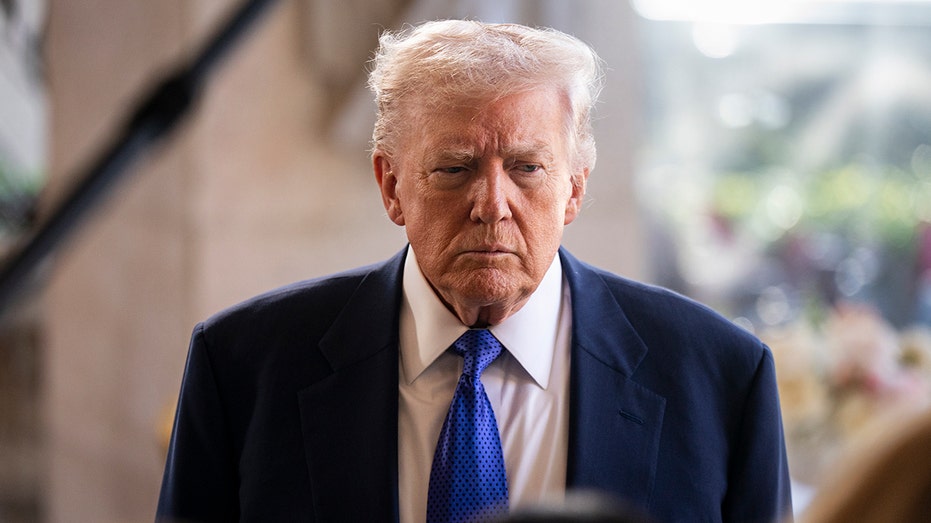
•US President Donald Trump, with his propensity for hyperbole, had announced that Iran had agreed to hand over its entire stockpile of enriched uranium.
•He also asserted that this process would not involve the use of American troops.
هذا الخبر من Indian Express. خبر يقدم أدوات ذكاء اصطناعي للتلخيص والترجمة والاستماع.
Notwithstanding the escalations across the Strait of Hormuz in the past 48 hours, there are a series of imponderables at various levels that could undermine the fragile ceasefire between the United States and Iran. US President Donald Trump, with his propensity for hyperbole, had announced that Iran had agreed to hand over its entire stockpile of enriched uranium. He also asserted that this process would not involve the use of American troops. Within a couple of hours of this claim, Iranian authorities categorically denied that they had agreed to any such arrangement. To muddle matters further, at least one reliable American news site, Axios, reported that Iran had agreed to hand over the enriched uranium in exchange for $20 billion in frozen assets. Trump, in turn, stated that no such agreement has been reached. Meanwhile, in the US House of Representatives, an effort to rein in the administration’s war-making abilities, invoking the post-Vietnam era War Powers Act, failed by a single vote. This, however, may change, as according to reports in The New York Times, a small number of Republicans in the House have some qualms about granting the President carte blanche to continue this war that began nearly two months ago. Their concerns, with marked exceptions, do not stem from questions involving constitutional proprieties. Instead, many who are coming up for re-election in the November mid-terms have their sights firmly set on spiralling prices and the President’s declining poll numbers. With large numbers of Americans reeling from the price of gasoline, which has reached a national average of $4 per gallon, inflation spikes are already underway. Consequently, if this war resumes, President Trump may not be able to prevent them from invoking the War Powers Act. However, given their abject fealty to Trump, this cannot be a foregone conclusion. It is also worth bearing in mind that Secretary of War Pete Hegseth is scheduled to testify before the House Armed Services Committee on April 29. It is already known that he is expected to seek a dramatic increase in the defence budget, asking for the unprecedented amount of $1.5 trillion. Democrats, without a doubt, will subject him to much scrutiny. They may also not be swayed from sharply questioning him despite the predictable attempts from Republicans to portray them as weak on defence issues. Most Republicans, however — because of their ideological beliefs as well as their loyalty to President Trump — are likely to sound sympathetic to the request to increase the budget. Hegseth, for his part, is likely to make two arguments. First, he will emphasise war wastage and the consequent need to rebuild the arsenal. Simultaneously, he is likely to invoke the unwillingness of American allies to bolster the common defence against a range of enemies. If Hegseth and Trump have their way and receive the supplementary funding that they have been seeking (in addition to the dramatic increase in the defence budget), it would be unwise to rule out a reprise of the attack on Iran based on some flimsy and dubious pretext. The war, which has now been paused, could well return with full force. Other issues also add uncertainty to the situation. Iranian authorities initially stated that they had opened the Strait of Hormuz after a ceasefire was announced in Lebanon on April 16. However, for some utterly inexplicable reason, Trump has sustained the naval blockade. With that flotilla in place, should some Iranian statement or demand pique him, Trump could well resume the conflict. In the meantime, with the April 22 ceasefire deadline approaching, Pakistan’s Field Marshal Asim Munir has been trying to facilitate an end to the conflict. According to reports, a US delegation is making a return to Islamabad despite the deadlock that emerged in the initial round of talks earlier this month, but Iran has refused talks in the face of Trump’s blockade and threats. Obviously, given the widespread adverse economic repercussions of this ill-conceived war, it is in the global interest that it ends as soon as possible. That fervent hope aside, it would be downright foolish to predict its imminent end given the many imponderables involved. The writer is a senior fellow and directs the Huntington Programme on US-India Relations at the Hoover Institution, Stanford Universityالمصدر: Indian Express | Source: Indian Express
ملاحظة تحريرية | Editorial Note: نُشر هذا المقال في الأصل بواسطة Indian Express. خبر (Khabr) هي منصة إعلامية أردنية مرخّصة تعمل بالذكاء الاصطناعي. نضيف قيمة تحريرية من خلال: تحليل ذكي للأخبار، ملخصات تلقائية، رواية صوتية بالذكاء الاصطناعي، ترجمة متعددة اللغات، وتدقيق الحقائق. هدفنا جعل الأخبار أكثر وضوحاً وسهولةً للقارئ العربي.
This article was originally published by Indian Express. Khabr is a licensed Jordanian AI-powered news platform (Registration #82086). We add editorial value through: AI-powered news analysis, automated summaries, AI audio narration, multi-language translation (Arabic, English, French, Turkish), and AI fact-checking. Our mission is to make news more accessible and understandable for Arabic-speaking audiences worldwide.