UK Warns Tourists After Suicide Bombings Rock Algeria
المصدر: Morocco World News | Source: Morocco World NewsMarrakech – The United Kingdom’s Foreign, Commonwealth and Development Office (FCDO) issued an urgent travel warning for Algeria late on Monday after two suicide bombings struck the town of Blida, roughly 50 kilometers south of the capital Algiers.
The FCDO confirmed it is “aware of reports of an explosion on 13 April in the town of Blida” and urged British nationals in the area to “remain vigilant at all times and follow the advice of the local security authorities.”
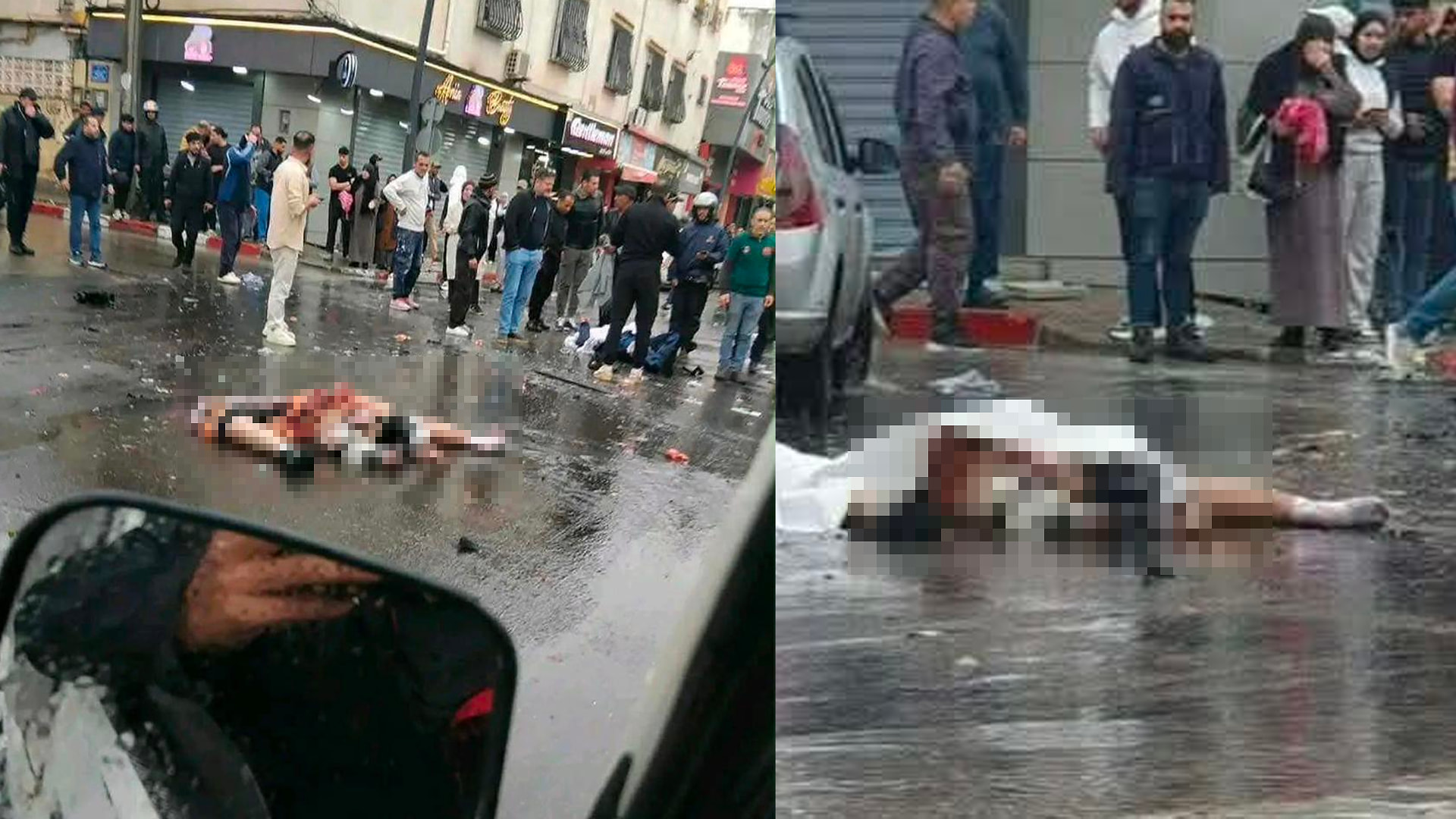
The twin attacks unfolded in the early afternoon. The first explosion targeted the security directorate in central Blida. A second suicide bomber detonated near a food industry company in the same province. French media reports indicated that two attackers blew themselves up near the city’s central police station, killing themselves and wounding at least one police officer.
The bombings coincided with the arrival of Pope Leo XIV in Algeria, invited by President Abdelmadjid Tebboune for what marked the first papal visit to the country. The pope was conducting the opening leg of an 11-day African tour set to take him to Cameroon, Angola, and Equatorial Guinea.
A French diplomatic source told Le Monde the link between the attacks and the papal visit was “absolutely certain.” The source said the attackers sought to “punish Algeria for welcoming the leader of the infidels” and to send a message to Tebboune for “having the impudence to welcome the pope on Islamic soil.”
Algerian security analyst Akram Kharief, founder of the blog Menadefense.net, described the operation as likely “an attack for media purposes, probably carried out by a micro group or lone wolves.”
Le Monde reported that the two bombers activated their explosive belts before reaching their intended target. A police officer on duty spotted their approach, forcing them to detonate prematurely.
A video circulating on social media showed one officer advancing toward a bomber, collapsing at the moment of the explosion, then standing back up with no apparent injuries. Experts indicated the blast effect was minimal, describing the operation as rudimentary.
Despite the severity of the incident, Algerian authorities imposed a total information blackout. No official statement was released. Algerian media did not report on the attacks.
In the hours that followed, government offices and public companies in Blida shut their doors and confined staff inside. Several bomb alerts were reported across the city, including near the El Rahba market, which was immediately surrounded by special forces.
The condemnation Algiers didn’t want the world to see
The African Union Commission initially condemned the attacks in a Tuesday morning statement, expressing “full solidarity with the people and government of the People’s Democratic Republic of Algeria.” The statement was later deleted from the AU’s official website.
Algerian political analyst Oualid Kebir alleged that Algerian military intelligence ordered Selma Malika Haddadi, the Algerian-born Deputy Chairperson of the African Union Commission, to intervene and have the condemnation deleted.
Kebir described the Algerian regime as “extremely confused” in its handling of the crisis, calling the episode a scandal that exposed how Algiers leverages its officials in international institutions to control the narrative around its own security failures.
The FCDO continues to advise against all travel within 30 kilometers of Algeria’s borders with Libya, Mauritania, Mali, Niger, and Tunisia in the provinces of Illizi and Ouargla and the Chaambi mountains area. It also advises against all but essential travel near the rest of the Algeria-Tunisia border.
Algeria had not experienced a terrorist attack since 2017, when a suicide bomber targeted police headquarters in Tiaret. That attack, which killed two officers, was claimed by the Islamic State.
But the ghosts of Algeria’s past are never far. Blida sits at the heart of what was once known as the “triangle of death” – the corridor between Blida, Médéa, and Aïn Defla that served as a stronghold for the Armed Islamic Group (GIA) during the so-called “dark decade” of the 1990s.
That civil war between Islamist insurgents and the Algerian state killed between 100,000 and 200,000 people. The maquis of the Atlas Blidéen were among the most violent in the country and the closest to Algiers.
The bloodshed formally ended with a reconciliation deal under former President Abdelaziz Bouteflika, but a radical fringe never laid down arms. It morphed into Al-Qaeda in the Islamic Maghreb (AQMI). The Islamic State later planted its own flag on Algerian soil with the 2014 kidnapping and beheading of French tourist Hervé Gourdel in Kabylie.
AQMI still counts fighters embedded in the mountains and the south, according to the US National Counterterrorism Center. Monday’s bombings in Blida were not an anomaly. They were a reminder that the Islamist militancy Algeria claimed to have buried decades ago never truly died. It simply waited.
The post UK Warns Tourists After Suicide Bombings Rock Algeria appeared first on Morocco World News.
ملاحظة تحريرية | Editorial Note: نُشر هذا المقال في الأصل بواسطة Morocco World News. خبر (Khabr) هي منصة إعلامية أردنية مرخّصة تعمل بالذكاء الاصطناعي. نضيف قيمة تحريرية من خلال: تحليل ذكي للأخبار، ملخصات تلقائية، رواية صوتية بالذكاء الاصطناعي، ترجمة متعددة اللغات، وتدقيق الحقائق. هدفنا جعل الأخبار أكثر وضوحاً وسهولةً للقارئ العربي.
This article was originally published by Morocco World News. Khabr is a licensed Jordanian AI-powered news platform (Registration #82086). We add editorial value through: AI-powered news analysis, automated summaries, AI audio narration, multi-language translation (Arabic, English, French, Turkish), and AI fact-checking. Our mission is to make news more accessible and understandable for Arabic-speaking audiences worldwide.