[Editor’s Note: This article is part of Khaleej Times’ Schools and Parents, a dedicated section designed to support families in the UAE as they explore educational choices. The section offers explainers, guidance from education leaders, expert advice and insights from parents to help readers make informed decisions about schools, curricula and communities.]
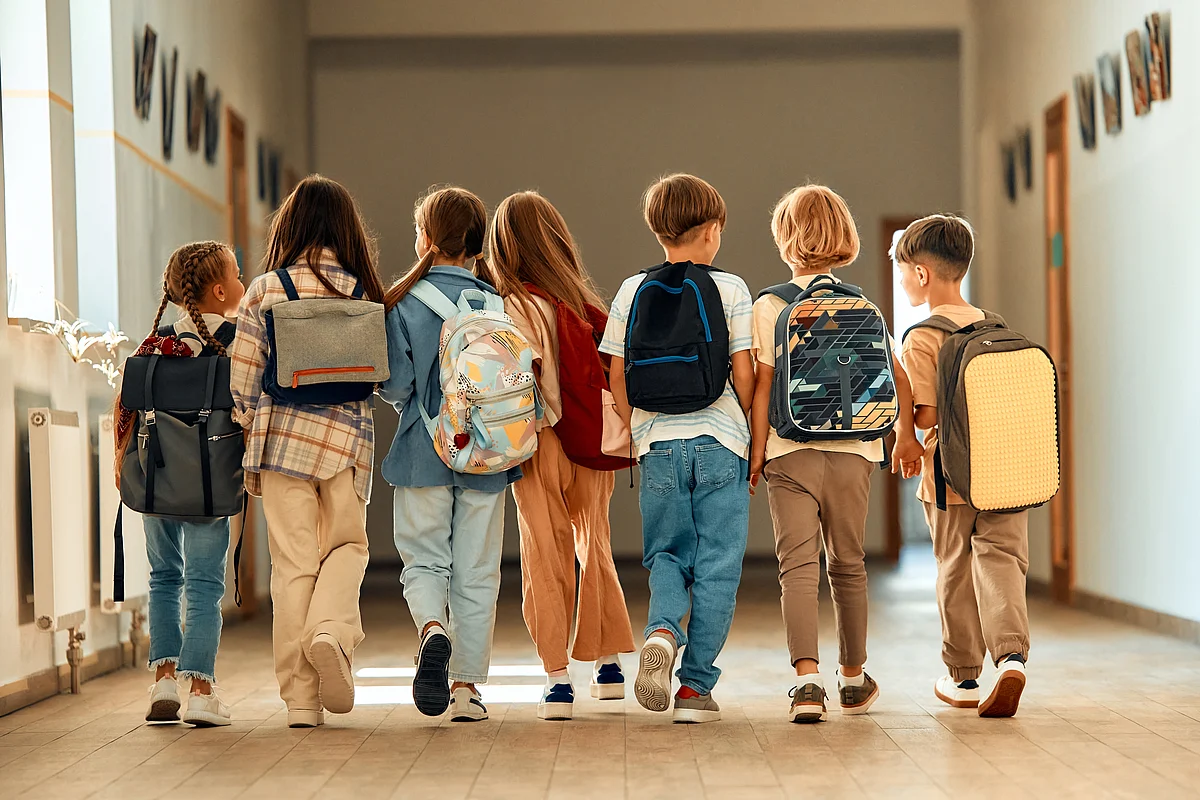
Students across the UAE will begin returning to in-person learning from Monday, 20 April, marking a significant shift back to classrooms after more than a month of distance education.
The move follows authorities introducing remote learning due to regional security concerns linked to the US–Israel–Iran conflict. Schools, nurseries, and universities stayed in preparedness mode during this time, with staggered staff returns already underway in some emirates.
Education regulators have increased readiness checks, training programmes, and operational reviews to ensure a safe and structured reopening across institutions.
In an official announcement on Wednesday, the Ministry of Education (MOE) said, “The resumption of in-person learning for all enrolled children, students, educational staff, and administrative staff in public and private nurseries, kindergartens, and schools effective Monday, 20 April 2026.”
Here’s a detailed guide for parents on what to expect.
When will students return to in-person classes across the UAE?
Students in all public and private schools, nurseries, and kindergartens will return to classrooms from Monday, April 20, 2026, following a nationwide directive by education authorities.
Are universities also resuming face-to-face learning on April 20?
Yes. The Ministry of Higher Education and Scientific Research has confirmed that in-person learning will resume across all public and private universities from the same date.
Institutions have completed safety checks, campus readiness assessments, and staff preparedness measures. However, some universities may keep limited flexibility to continue hybrid or remote learning if operational needs require it.
Why were schools shifted to distance learning in the first place?
Schools moved to online learning as a precautionary measure due to regional security concerns.
Distance learning began on March 2 following attacks linked to the ongoing conflict. It was initially temporary but extended in phases as authorities prioritised student and staff safety. The current return follows a ceasefire.
Could schools switch back to remote learning again if needed?
Education authorities have indicated institutions must stay prepared to switch between in-person and remote learning if circumstances change.
While the situation has stabilised, schools are expected to maintain flexible systems to ensure the continuity of education in the event of future disruptions.
How are schools preparing for a safe return to classrooms?
Authorities have implemented comprehensive readiness measures across institutions, including safety inspections, staff training, and operational preparedness checks.
Field evaluation visits are conducted to ensure schools meet safety standards. Updated guidelines help institutions shift smoothly between physical and remote learning if needed.
Will private schools be allowed to use hybrid learning models?
Yes, private schools may implement ‘hybrid or rotational learning models’ when necessary, subject to regulatory approval and institutional readiness.
These models are designed to ensure learning continuity while adapting to changing circumstances, particularly during emergencies or disruptions.
How will schools manage teacher workload under hybrid systems?
Private schools using hybrid rotation models must structure staff deployment carefully.
The aim is to ensure teachers are not assigned simultaneous in-person and remote teaching duties, helping maintain teaching quality while also balancing workloads and professional responsibilities.
Fees, re-registration and school enrolment policies
Are parents still required to pay school fees during distance learning or closures?
Schools have issued notices clarifying that, per KHDA regulations, tuition fees remain payable as long as education is delivered, including during distance learning due to government closures.
This clarification was reiterated in response to parent queries, reinforcing that remote learning is a continuation of schooling, not a suspension of services.
Is re-registration compulsory for the next academic year and how does the fee work?
Re-registration is mandatory to secure a child’s seat for the Academic Year 2026–2027.
The re-registration fee is later applied to the first-term tuition fees for the new academic year. However, confirmation of re-registration is only granted once all outstanding dues have been fully cleared, ensuring a student’s place is formally reserved.
What is KHDA’s new Centre-Led Home-Based Learning (CLHL) service for nurseries?
The Knowledge and Human Development Authority (KHDA) has introduced two emergency-based early learning options for nurseries:
• CLHL Hubs: Small group learning in an approved home setting for up to eight children, supervised by trained nursery staff.
• CLHL Educators: One-to-one or sibling-only home teaching provided by a qualified nursery teacher.
These services activate only during emergencies like crises, health disruptions, or extreme weather, and must stop within five working days after normal classes resume. Nurseries remain responsible for implementation; parents cannot apply directly.
What steps have been taken in Sharjah ahead of reopening?
In Sharjah, all administrative and teaching staff in private schools and nurseries returned to in-person duties from Wednesday to ensure full operational readiness.
Nurseries in the emirate are set to reopen for children from Thursday, April 16, as part of a phased return ahead of the nationwide school reopening on April 20.