⚡ عاجل: كريستيانو رونالدو يُتوّج كأفضل لاعب كرة قدم في العالم●⚡ أخبار عاجلة تتابعونها لحظة بلحظة على خبر●⚡ تابعوا آخر المستجدات والأحداث من حول العالم●
AI اقتراحات ذكية
AI مباشر|--مشاهد مباشر
894,956مقال401مصدر نشط228قناة مباشرة5,188خبر اليوم
آخر تحديث:منذ 0 ثانية
UAE President makes over 100 calls, drives diplomatic efforts amid Iranian attacks
[Editor's Note: Follow Khaleej Times live blog for the latest regional developments with the US-Israel-Iran ceasefirenow in effect.]
The UAE has reaffirmed its unwavering commitment to safeguarding everyone within its borders, as officials stressed that citizens, residents, and visitors continue to live and work in safety despite recent regional developments.
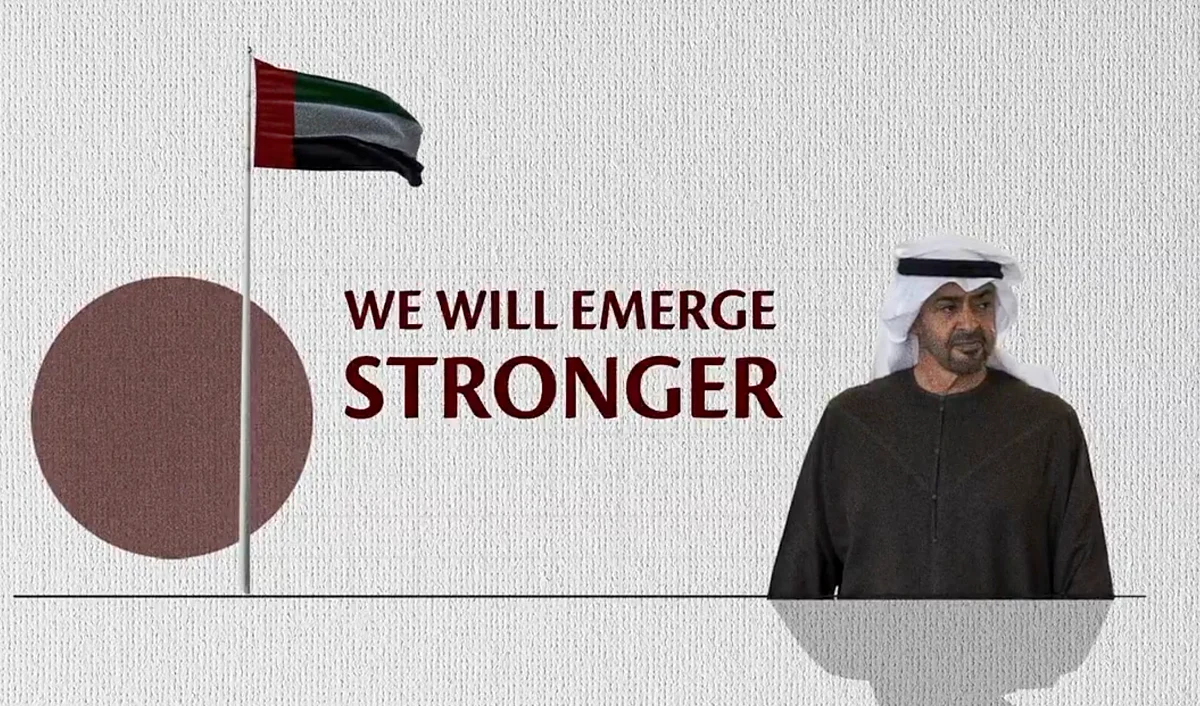
In a video shared on X by the UAE Ministry of Foreign Affairs, authorities outlined the country’s response to what were described as “terrorist, unjustified and unprovoked” attacks launched by Iran.
According to the statement, more than 2,800 airstrikes were carried out, with the UAE’s integrated, multi-layered air defense systems successfully intercepting the vast majority of threats, significantly limiting damage and casualties.
Officials said that thanks to these advanced defense capabilities, daily life across the country has continued without disruption, with businesses operating as normal and public safety maintained.
International condemnation
The UN Security Council adopted Resolution 2817, denouncing the escalation and rejecting threats to navigation in the Strait of Hormuz.
The International Maritime Organization (IMO) Council similarly warned that such actions pose serious risks to seafarers and the marine environment, with backing from more than 115 countries.
Further condemnation came from the Human Rights Council, which described the attacks as violations of international law and a threat to global security, while the International Civil Aviation Organization (ICAO) ruled them unlawful and a danger to aviation safety and airspace sovereignty.
UAE's extensive diplomatic efforts
UAE leadership has engaged in extensive diplomatic efforts with global partners, reinforcing calls for stability and adherence to international law.
In the video, MoFA outlines how UAE President Sheikh Mohamed bin Zayed Al Nahyan made over 100 calls as part of his extensive diplomatic efforts during the Iranian attacks.
The video also highlights the proactive involvement of the deputy prime minister and minister of foreign affairs, who conducted over 100 meetings and calls to support these ongoing efforts and ensure the safety of UAE residents.
Authorities emphasised that the country’s economy remains stable, resilient, and globally integrated, underpinned by strong fundamentals.
They reiterated that the UAE’s priority remains clear: ensuring the safety and security of all those on its soil while upholding its inherent right to self-defence.
Authorities have repeatedly affirmed their full readiness to respond to any threats and safeguard national security.
Government briefings highlighted that the UAE maintains a highly coordinated national security structure, integrating multiple agencies and advanced defence systems to ensure rapid response capabilities across all emirates. This readiness has been central to maintaining stability throughout the escalation.
Senior officials noted that the UAE was subjected to more than 2,800 missiles and drones during the conflict, with around 96 per cent successfully intercepted, a figure that underscored the effectiveness of the country’s multi-layered air defence systems and readiness posture.
“Emirati model"
Speaking about the developments, Anwar Gargash, diplomatic adviser to the President of the UAE, said the recent escalation had ultimately highlighted the country’s internal resilience rather than disrupting it.
He noted that the UAE emerged from what he described as a 40-day confrontation “stronger, more confident, and more certain” in its ability to defend itself.
Gargash added that daily life continued largely without disruption throughout the period, with supply chains remaining stable, financial liquidity holding firm, and public services operating at full capacity.
He said this continuity reflected the strength of what he called the “Emirati model", in which national preparedness and institutional stability ensured that essential systems remained unaffected even under heightened security pressures.
ملاحظة تحريرية | Editorial Note:
نُشر هذا المقال في الأصل بواسطة Khaleej Times.
خبر (Khabr) هي منصة إعلامية أردنية مرخّصة تعمل بالذكاء الاصطناعي.
نضيف قيمة تحريرية من خلال: تحليل ذكي للأخبار، ملخصات تلقائية، رواية صوتية بالذكاء الاصطناعي، ترجمة متعددة اللغات، وتدقيق الحقائق.
هدفنا جعل الأخبار أكثر وضوحاً وسهولةً للقارئ العربي.
This article was originally published by Khaleej Times.
Khabr is a licensed Jordanian AI-powered news platform (Registration #82086).
We add editorial value through: AI-powered news analysis, automated summaries, AI audio narration, multi-language translation (Arabic, English, French, Turkish), and AI fact-checking.
Our mission is to make news more accessible and understandable for Arabic-speaking audiences worldwide.
هذا الخبر ضمن تغطية خبر لقسم سياسة.
نقدّم لك تحليلات ذكية وملخصات يومية لأهم الأخبار من مصادر موثوقة متعددة.
المصدر: Khaleej Times.
يوجد 6 مقالات مرتبطة بهذا الموضوع.
This article is part of Khabr's coverage of Politics.
We provide AI-powered analysis, summaries, and multi-source aggregation to keep you informed.
Source: Khaleej Times.
Tags: politics, diplomacy, Iran, UAE.
🍪 نستخدم ملفات تعريف الارتباط لتحسين تجربتك وعرض الإعلانات المخصصة. باستخدامك للموقع، فإنك توافق على سياسة ملفات تعريف الارتباط وسياسة الخصوصية.
We use cookies to enhance your experience and show personalized ads. By using this site, you agree to our Cookie Policy and Privacy Policy.
🔍
FREEFree 1GB Internet + Free International Calls
$1 trial — eSIM in 190+ countries — No roaming charges