⚡ عاجل: كريستيانو رونالدو يُتوّج كأفضل لاعب كرة قدم في العالم●⚡ أخبار عاجلة تتابعونها لحظة بلحظة على خبر●⚡ تابعوا آخر المستجدات والأحداث من حول العالم●
AI اقتراحات ذكية
AI مباشر|--مشاهد مباشر
912,539مقال401مصدر نشط228قناة مباشرة4,519خبر اليوم
آخر تحديث:منذ ثانية
UAE government doubles down on its bet on small business
•Abu Dhabi: The UAE government is doubling down on its bet on small business.That was the message from Dr.
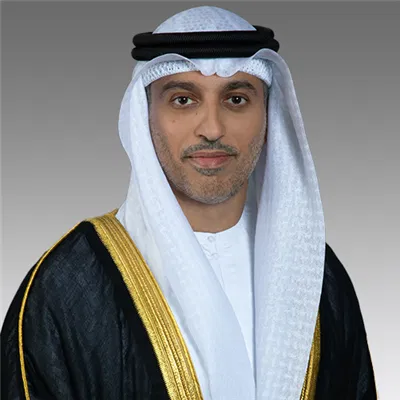
•Ahmad bin Abdullah Belhoul Al Falasi, UAE Minister of Sports and Chairman of the Emirates Growth Fund, speaking at a fireside chat on building enduring enterprises at the Make it in the Emirates forum...
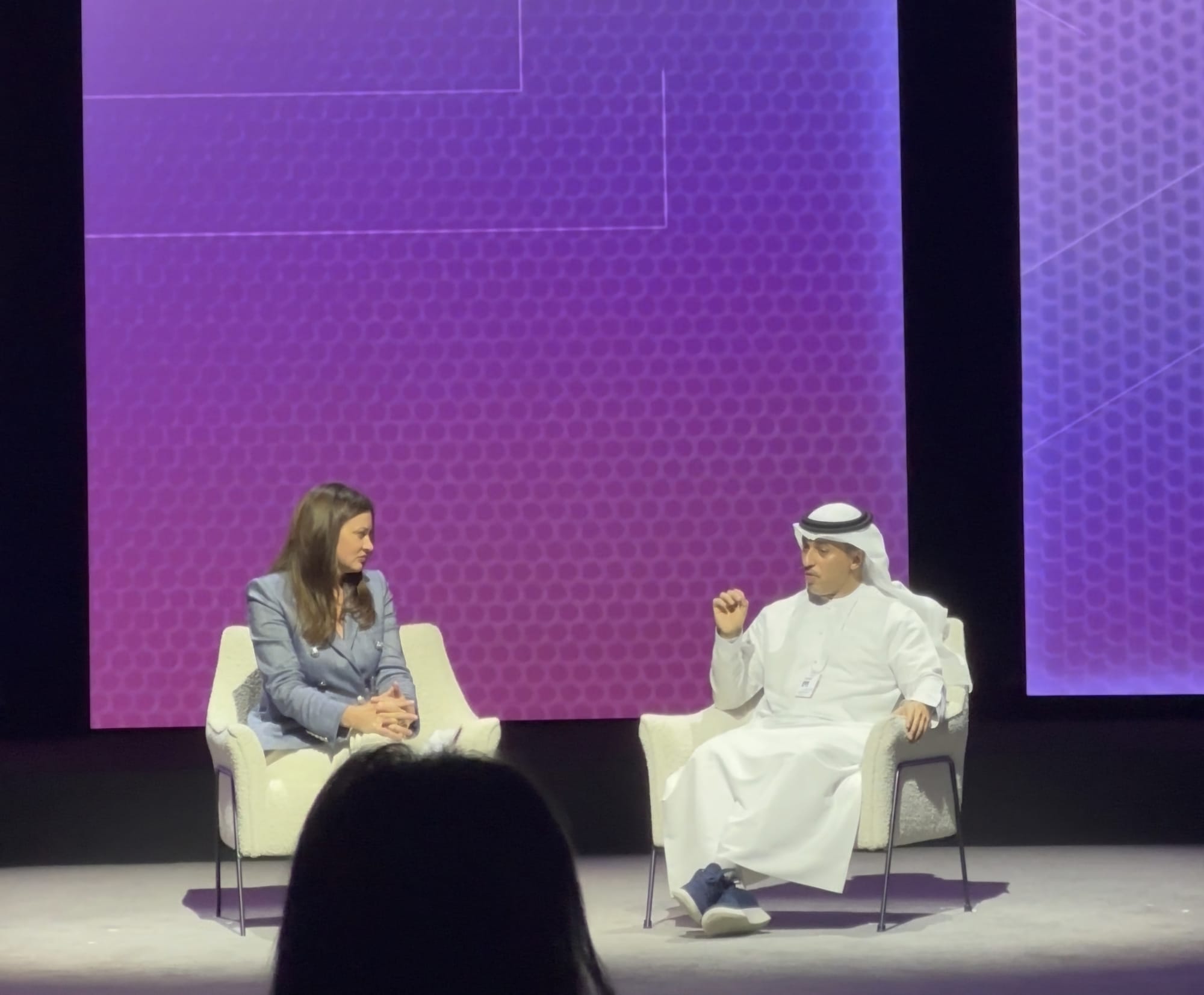
•Ahmad bin Abdullah Belhoul Al Falasi, UAE Minister of Sports and Chairman of the Emirates Growth Fund, speaking at a fireside chat on building enduring enterprises at the Make it in the Emirates forum...
هذا الخبر من Gulf News. خبر يقدم أدوات ذكاء اصطناعي للتلخيص والترجمة والاستماع.
Abu Dhabi: The UAE government is doubling down on its bet on small business.
That was the message from Dr. Ahmad bin Abdullah Belhoul Al Falasi, UAE Minister of Sports and Chairman of the Emirates Growth Fund, speaking at a fireside chat on building enduring enterprises at the Make it in the Emirates forum in Abu Dhabi.
H.E. Dr. Ahmad bin Abdullah Belhoul Al Falasi, UAE Minister of Sports and Chairman of the Emirates Growth Fund, speaking at a fireside chat on building enduring enterprises at the Make it in the Emirates forum in Abu Dhabi.
With corporate taxes now in effect and regional uncertainty rattling investor confidence, Al Falasi acknowledged the headwinds facing SMEs, but pushed back firmly on the idea that the government is stepping back.
"Nothing beats access to market," he said. "You can always offer a temporary solution, but that would not keep a company alive if it wanted to grow."
Filling the gap the market left behind
The Emirates Growth Fund was designed to address what Al Falasi described as the "missing middle" of SME financing, companies that have outgrown early-stage funding but need patient, long-term investment to unlock their full potential.
The fund's approach is deliberate: taking minority stakes of between 20 and 49%, bringing governance structure and global expertise, while leaving founders in control. Al Falasi said the intention is to help companies move from founder-driven models toward more institutional structures, and to open up market access through the fund's networks.
The Emirates Growth Fund has seen nearly ten times the expected interest following its latest announcements, with its Dh1 billion in equity available and actively being deployed across priority sectors including manufacturing, healthcare, food security, and advanced technology.
"We intentionally take a non-controlling stake," he said. "We also bring global expertise to give operational depth and open up markets."
Get updated faster and for FREE: Download the Gulf News app now - simply click here.
Local capital, a different kind of risk
On the question of regional uncertainty, including the effect of the Iran conflict on investor appetite, Al Falasi was direct. The perceived risk, he argued, far outweighs the actual risk on the ground. For businesses working with local capital, that gap is an opportunity rather than a barrier.
He said international investors tend to price risk at a regional level, while entities like the Emirates Growth Fund understand the market well enough to apply a more precise calculation and price accordingly.
"The perceived risk is much higher than actual," he said. "That combination will work for us, it's an opportunity for us to deploy more capital since we know the market."
For SMEs concerned about rising costs, including war risk insurance now being written into business contracts, Al Falasi said access to government-backed equity offers a way to absorb those pressures at a more competitive rate than international capital would demand.
Fee waivers, corporate tax and the new reality
Al Falasi acknowledged that the introduction of corporate tax has shifted the landscape for SMEs, many of which had previously operated without that additional cost burden. He said fee waivers remain important as a support mechanism, but that access to equity is now equally on the table.
"By definition, if you're not profitable, you would have to build in additional costs," he said. "Fee waivers are important. But access to equity is also on the table."
He pointed to the fund's surge in demand as evidence that the offer is landing. Equity investment, he said, is proving to be one of the most effective ways for SMEs to navigate this moment.
Government as buyer, not just backer
Beyond investment, Al Falasi pointed to the government's growing role as a direct purchaser of locally produced goods and services, describing it as one of the most powerful levers available to support SME growth.
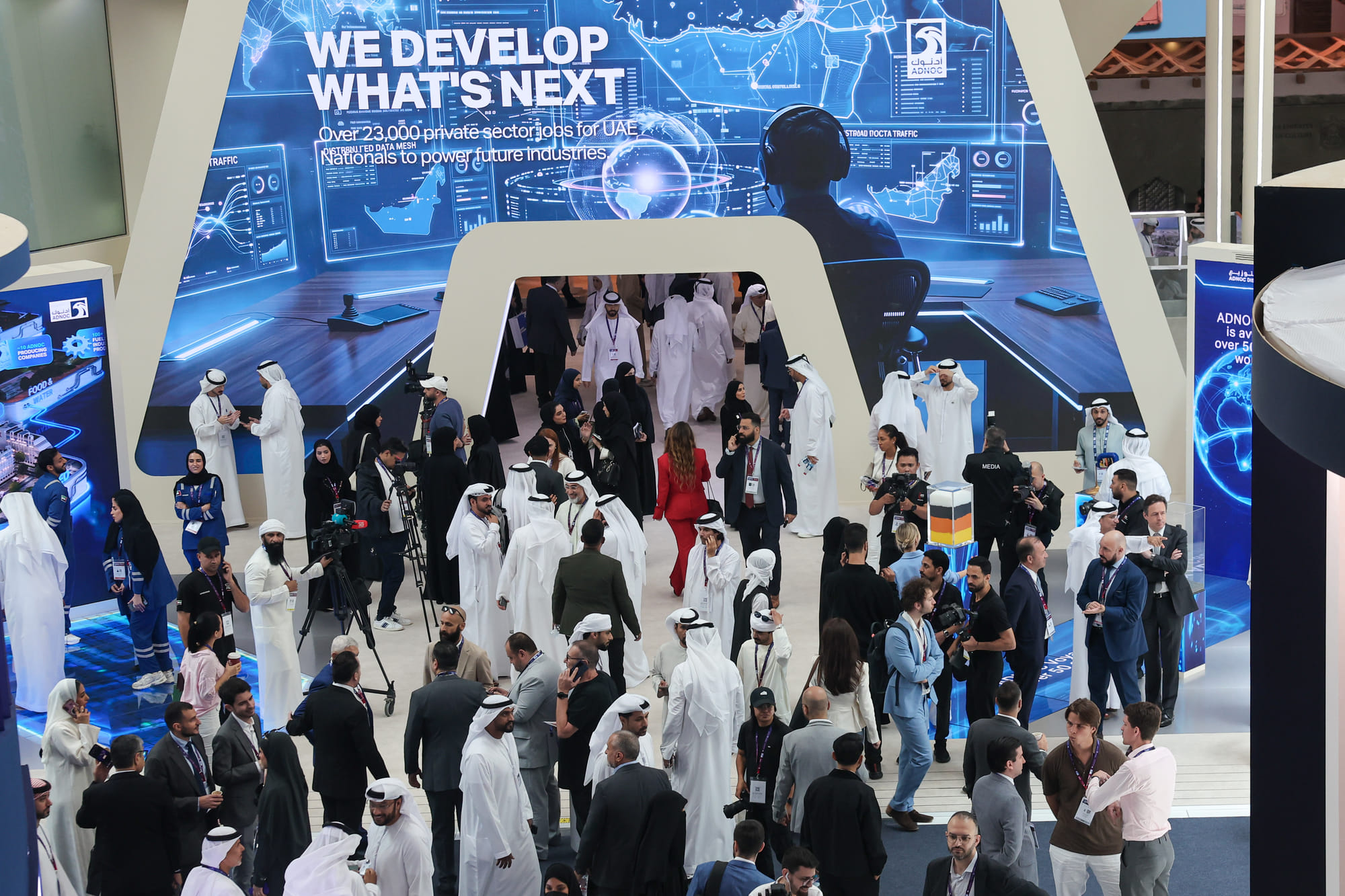
At the Make it with ADNOC forum, held alongside Make it in the Emirates, ADNOC presented projects worth over Dh200 billion for the next two years and announced the Local+ initiative, which connects engineering, procurement, and construction contractors with 70 qualified UAE manufacturers.
Huge crowd on the opening day of Make it in the Emirates 2026.
Al Falasi framed this as a strategic shift, not just a procurement exercise. Having emerged from the pandemic realising how exposed supply chains could become, the government moved to localise everything from defence to healthcare.
"That not only helps these companies, but also helps us as government," he said. "We quickly realised that it is to our advantage to offer contracts locally and localise everything, from defence to healthcare to all services."
A different model from Saudi
Asked how the UAE's investment landscape compares with Saudi Arabia and the Public Investment Fund model, Al Falasi said the UAE's strength lies in the diversity and complementarity of its funds.
He pointed to a range of vehicles, from more passive sovereign wealth funds to active players like the Emirates Growth Fund, alongside Mubadala, ADQ, and others, as evidence of a well-structured ecosystem rather than a single dominant vehicle.
"Each one has a mandate," he said. "We have passive ones, we have more active ones, and we have federal ones. They all complement each other."
Within that structure, the Emirates Growth Fund carved out its own specific niche, stepping in where equity was available for tech startups but not for growth-stage manufacturers and industrial businesses. Al Falasi said that gap is now closing.
"I think what we have is a really healthy landscape of equity being deployed," he said. "And I truly believe the future will always be bright. We will be able to weather any challenge that comes."
ملاحظة تحريرية | Editorial Note:
نُشر هذا المقال في الأصل بواسطة Gulf News.
خبر (Khabr) هي منصة إعلامية أردنية مرخّصة تعمل بالذكاء الاصطناعي.
نضيف قيمة تحريرية من خلال: تحليل ذكي للأخبار، ملخصات تلقائية، رواية صوتية بالذكاء الاصطناعي، ترجمة متعددة اللغات، وتدقيق الحقائق.
هدفنا جعل الأخبار أكثر وضوحاً وسهولةً للقارئ العربي.
This article was originally published by Gulf News.
Khabr is a licensed Jordanian AI-powered news platform (Registration #82086).
We add editorial value through: AI-powered news analysis, automated summaries, AI audio narration, multi-language translation (Arabic, English, French, Turkish), and AI fact-checking.
Our mission is to make news more accessible and understandable for Arabic-speaking audiences worldwide.
هذا الخبر ضمن تغطية خبر لقسم اقتصاد.
نقدّم لك تحليلات ذكية وملخصات يومية لأهم الأخبار من مصادر موثوقة متعددة.
المصدر: Gulf News.
يوجد 6 مقالات مرتبطة بهذا الموضوع.
This article is part of Khabr's coverage of Economy.
We provide AI-powered analysis, summaries, and multi-source aggregation to keep you informed.
Source: Gulf News.
Tags: business, government, small business.
🍪 نستخدم ملفات تعريف الارتباط لتحسين تجربتك وعرض الإعلانات المخصصة. باستخدامك للموقع، فإنك توافق على سياسة ملفات تعريف الارتباط وسياسة الخصوصية.
We use cookies to enhance your experience and show personalized ads. By using this site, you agree to our Cookie Policy and Privacy Policy.
🔍
FREEFree 1GB Internet + Free International Calls
$1 trial — eSIM in 190+ countries — No roaming charges