Trump's Strategic Maneuvers: Hormuz Talks and Military Spending in the Spotlight
As August 2026 unfolds, former President Donald Trump is once again at the center of international and military discourse. His recent comments regarding the Strait of Hormuz and military procurement have stirred conversations about U.S. foreign policy and defense readiness.
August 5: Houthis Claim Attack on Saudi Oil Tanker
On August 5, reports emerged of an attack by the Houthi movement claiming responsibility for targeting a Saudi oil tanker. This incident heightened tensions in the region, sparking concerns over the stability of oil supply routes and the security of maritime operations.
Trump's Optimism on Hormuz Deal
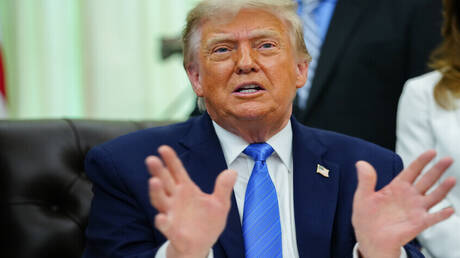
In response to these developments, Trump expressed optimism regarding a potential deal for reopening the Strait of Hormuz, which he stated could happen soon amid ongoing talks between Iran and Oman. His comments reflect a broader strategy to stabilize the region and ensure the free flow of oil, which is critical for global markets.
Gas Prices and Diplomatic Efforts
With gas prices remaining high, Trump suggested that an agreement could be finalized as early as Wednesday, emphasizing the urgency of diplomatic efforts in the face of economic pressures on American consumers. This timing coincides with rising discontent over inflation and fuel costs, which could impact the political landscape ahead of the next election cycle.
Clash at Camp David
During a recent meeting at Camp David, Trump reportedly clashed with Fox News personality Pete Hegseth over concerns regarding Iran's missile capabilities and the depletion of U.S. munitions stockpiles. Sources indicate that Trump expressed frustration over what he perceived as misleading information from the White House regarding military readiness.
Pentagon Crisis Meeting
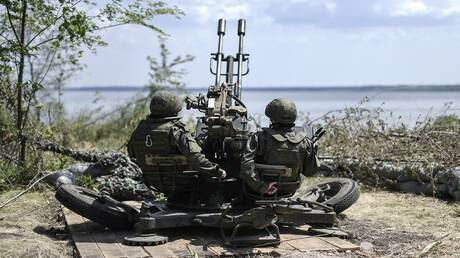
Following Trump's heated call, the Pentagon convened a crisis meeting to address the ongoing weapons shortfall. The urgency of this meeting highlights the administration's concerns about military preparedness amidst rising global tensions and the potential threat posed by adversarial nations.
Trump-Class Battleships: Costs Soar
In military procurement news, reports indicate that the first Trump-class battleship could face a staggering cost of $23.4 billion, with estimates suggesting that overall costs for these warships may rise by as much as 50 percent or more, potentially reaching a total price tag of $275 billion. This significant financial commitment raises questions about fiscal responsibility and the prioritization of military spending.
Qatari Jet Controversy
In a related note, Trump claimed that a Qatari jet was destined for his library, a statement that has drawn scrutiny and speculation regarding the implications of such a claim on U.S.-Qatar relations and how it may reflect on his personal business interests.
Analysis and Political Context
Trump's recent comments and actions illustrate a continued influence on U.S. foreign policy, particularly in the Middle East. His focus on the Strait of Hormuz and military readiness reflects a longstanding commitment to maintaining American influence in a region fraught with instability. As he navigates these complex geopolitical waters, Trump's rhetoric may resonate with his base, especially as economic concerns loom large in the public consciousness. The escalating costs associated with military contracts, coupled with the administration's handling of international relations, will likely be pivotal in shaping the narrative leading up to the next election. Whether these developments bolster Trump's political capital or expose vulnerabilities remains to be seen.