Trump's Recent Moves and Controversies: From the Kennedy Center to Naval Decisions
The political landscape has been stirred once again by former President Donald Trump, as various headlines capture his influence on cultural institutions and military operations. The Kennedy Center's board has made the controversial decision to inscribe Trump's name on its building, a move that follows a vote to close the center for renovations. This decision has reignited debates over Trump's legacy and the appropriateness of his recognition in prestigious cultural venues.
Simultaneously, international relations have taken a center stage, with Iran's officials commenting on Trump's past strategies concerning the Strait of Hormuz, stating that he "miscalculated" his approach. This assertion highlights ongoing tensions in the region and questions regarding Trump's foreign policy decisions during his presidency.
In a bizarre twist, reports have emerged detailing an incident where officials arranged to smuggle Trump out of Turkey using a catering truck and a secret plane. This dramatic narrative underscores the complexities and challenges associated with Trump's global engagements and the lengths to which officials may go to ensure his safety.
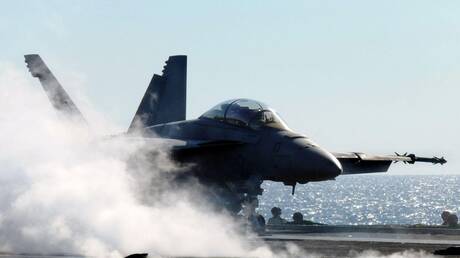
Adding to the military narrative, recent updates have raised concerns about conditions on the USS Abraham, particularly as the United States navigates its relationship with Iran. Reports have emerged detailing Trump's orders to restore older technology on aircraft carriers, a move that could cost billions. Specifically, Trump has directed the Navy to abandon modern carrier launch systems in favor of the traditional steam catapults, a decision that has sparked debates about military modernization versus cost efficiency.
Australia's Prime Minister Anthony Albanese has also commented on the AUKUS defense pact, asserting that it remains 'full steam ahead' after a call with Trump. This statement signals that despite Trump's tumultuous tenure, alliances formed during his administration continue to influence contemporary geopolitical strategies.
To understand the implications of these events, one must consider the broader context of Trump's influence on American politics and international relations. The Kennedy Center's decision could be seen as an attempt to reconcile Trump's cultural impact with the ongoing debate over his actions and policies. The mixed reactions from the public and political commentators illustrate the divide in public opinion regarding Trump's legacy.
On the international stage, Trump's military directives reflect a significant shift from modern technological advancements back to traditional methods, raising questions about the future of U.S. naval capabilities. Critics argue that this could undermine the Navy's effectiveness, while supporters may view it as a return to proven methods.
In conclusion, the recent headlines surrounding Trump reveal a complex interplay of cultural recognition, military strategy, and international relations. As the political landscape continues to evolve, Trump's actions will undoubtedly remain a focal point of discussion among politicians, analysts, and the public alike.