Trump's Legal Battles and Military Maneuvers: A Complex Landscape
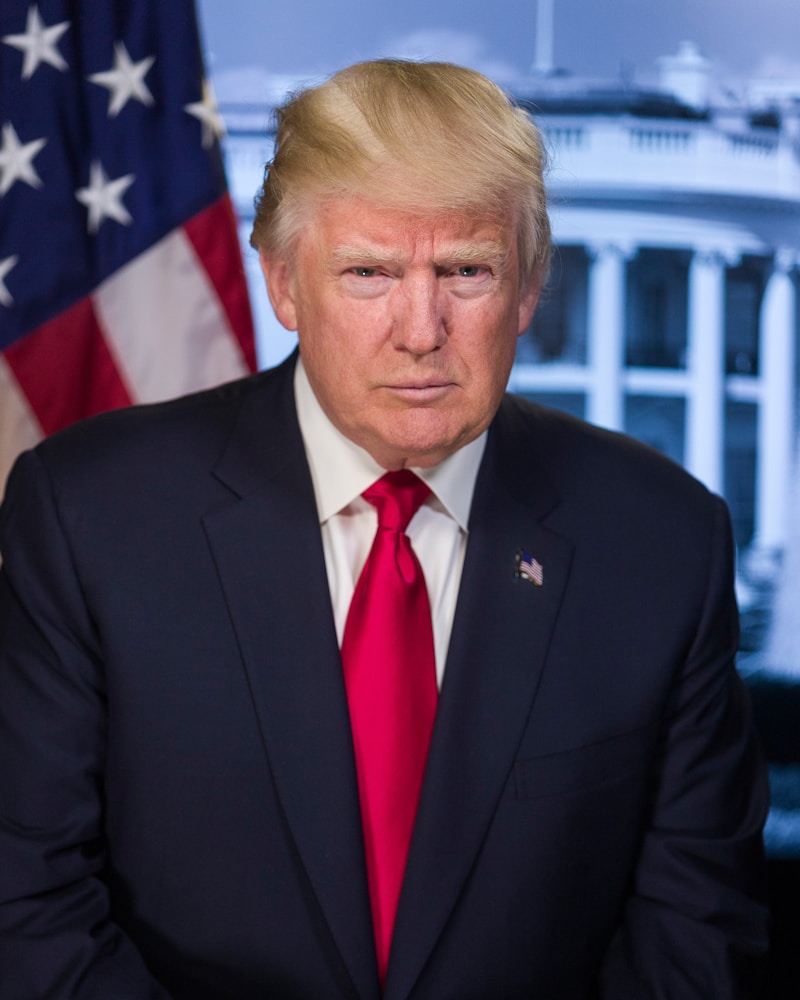
In a series of recent developments, Donald Trump finds himself at the center of both legal and geopolitical discourse. An appeals court has ruled that Trump must obtain approval from Congress before proceeding with the construction of a ballroom in the White House, effectively halting the project. This decision sets the stage for a potential Supreme Court battle, as Trump and his legal team prepare to challenge the ruling, claiming it infringes on executive authority.
On the international front, Trump has made headlines with his remarks regarding the Strait of Hormuz, suggesting that an agreement with Iran to reopen the vital waterway could be reached soon. This announcement comes amidst rising tensions in the region, particularly as Yemen's Houthis have intensified their attacks on Saudi-backed forces, further complicating the geopolitical landscape.
Adding to the domestic challenges, Trump recently addressed concerns over U.S. military readiness, asserting that the nation possesses 'massive amounts' of munitions in response to reports indicating a low stockpile. This statement appears designed to reassure the public and bolster his image as a strong leader capable of navigating military complexities.
In a move that has drawn significant media attention, Trump is also reviving his attempts to fire Federal Reserve Governor Lisa Cook, following a previous setback in the Supreme Court. This persistent effort underscores Trump's ongoing dissatisfaction with the Fed's monetary policy and Cook's role within it, as he seeks to exert influence over economic decisions that align with his vision.
Moreover, Trump is advancing plans for the Dulles International Airport, proposing innovative 'people movers' to enhance transportation efficiency. This initiative reflects his broader agenda of infrastructure improvement, which has been a cornerstone of his political platform.
Analysis and Political Context
These events collectively illustrate the multifaceted challenges and strategies facing Trump as he navigates a complex political landscape. The legal ruling concerning the ballroom construction not only highlights the limitations of executive power but also sets a precedent for future administrations regarding accountability and congressional oversight.
Trump's engagement with Iran, particularly regarding the Strait of Hormuz, showcases his attempts to assert diplomatic influence in a region fraught with conflict. However, the success of these diplomatic overtures remains uncertain amidst ongoing violence and regional instability.
His comments on military readiness may resonate with a base that prioritizes national security, yet they also raise questions about the actual state of the military and procurement processes. As Trump continues to focus on the Federal Reserve and its impact on economic policy, his efforts to replace officials like Lisa Cook could signal a deeper push for a monetary policy that aligns with his administration's priorities.
Overall, Trump's actions and statements reflect a blend of legal maneuvering, military posturing, and economic strategy, all of which are likely to play significant roles as he prepares for future political endeavors. The interplay between these factors will be critical in shaping his legacy and the future of the Republican Party as it navigates an increasingly polarized political environment.