Trump's Latest Moves: Tensions Rise with Iran, South Korea, and Voting Overhaul Discussions
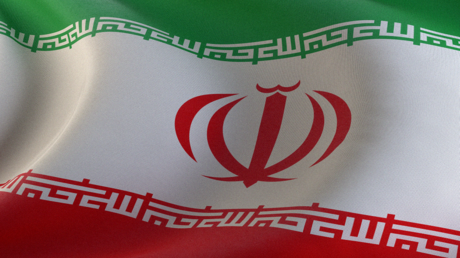
As the deadline for a potential US-Iran deal expired on August 17, 2026, former President Donald Trump issued a stark warning to Oman, reflecting the increasingly tense geopolitical climate. Trump's threats come amid ongoing discussions and negotiations that have yet to yield a conclusive agreement.
Simultaneously, tensions erupted at the White House following a confrontation between Trump and a CNN reporter. The administration's response included personal attacks against the reporter, which sparked backlash from her colleagues and raised questions about the treatment of journalists in the current political landscape.
In another significant development, Trump has proposed drastic changes to the US-South Korea alliance, prompting criticism from lawmakers who described his decisions as 'inane' and 'haphazard.' These comments come after Trump announced cuts to military drills with South Korea, a move that has left President Lee expressing concern over a potential 'worst-case scenario' regarding North Korea.
In a surprising turn, Trump revealed that North Korean leader Kim Jong-un has responded positively to his request for a conversation, highlighting the former president's ongoing interest in engaging with North Korea despite the international tensions at play.
On the domestic front, Trump made headlines again by voting by mail in the Florida Republican primary, a decision that raises eyebrows considering his previous rhetoric against mail-in voting. His actions have sparked discussions about voting practices, and Trump has cited India's elections to bolster his argument for a voting overhaul in the United States.
As these events unfold, the political landscape remains charged with debates about Trump's influence on foreign policy, media interactions, and election integrity.
Analysis and Political Context
Trump's latest actions underscore a pattern of behavior that seeks to reshape both international relations and domestic policies. His threats regarding Oman and the US-Iran deal illustrate a continuation of his confrontational approach to foreign policy, which has often prioritized strong rhetoric over diplomatic engagement.
The backlash against the White House’s treatment of journalists reflects a broader concern regarding press freedom and accountability in government communications, especially in an era where misinformation can spread rapidly. Trump's willingness to engage in personal attacks on reporters signifies a troubling trend for media relations in the United States.
Regarding South Korea, Trump's decision to cut military drills raises alarms among allies and could embolden adversaries, particularly North Korea. The mixed messages sent by Trump's outreach to Kim while simultaneously undermining alliances could create further instability in the region.
Finally, Trump's mail-in voting decisions juxtaposed with his criticisms of the practice reveal a complex narrative about electoral integrity. By invoking India's electoral system to advocate for changes in the US, Trump seems to be positioning himself as a reformer of sorts, even as he maintains controversial stances that could polarize the electorate.
In conclusion, Trump's recent activities highlight the intricate and often contentious nature of his political maneuvers, both at home and abroad. As the 2026 election cycle approaches, these developments will undoubtedly play a critical role in shaping the political discourse.