Trump's Latest Moves: Tariffs, Hormuz Negotiations, and Military Spending
As the political scene heats up, former President Donald Trump is once again at the forefront of several critical issues affecting both domestic and international policy. Recent developments include negotiations surrounding the Strait of Hormuz, tariff refunds, and military spending, all of which demonstrate Trump's enduring influence in American politics.
Strait of Hormuz Negotiations
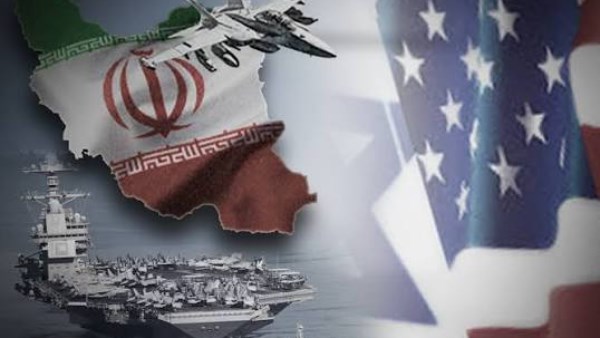
On August 5, 2026, reports surfaced about Iran and Oman nearing a deal regarding the strategic Strait of Hormuz, a vital waterway for global oil transportation. Amid this backdrop, Trump commented that the reopening of the Strait is 'soon' on the horizon, signaling potential relief amidst high gas prices.
Trump suggested that a formal deal could be announced as early as Wednesday, emphasizing the importance of this development not only for U.S. gas prices but also for global energy stability. As tensions in the region continue to simmer, Trump's involvement suggests a possible re-engagement in foreign diplomacy that could have far-reaching implications.
Tariff Refunds and Economic Implications
In a surprising economic maneuver, the Trump administration has initiated refunds amounting to $100 billion in tariffs dubbed 'Liberation Day' tariffs. This decision has been met with mixed reactions, as businesses stand to gain significantly from the refunds, with reports of Nintendo experiencing a 53% profit spike following the announcement.
The economic landscape has been further complicated by rising costs associated with Trump-class battleships. Estimates now suggest that the cost of these military vessels could increase by 50% or more, potentially reaching a staggering $275 billion. Critics of Trump's defense spending policies argue that such increases could divert funds from crucial domestic programs.
Controversies and Political Context
While Trump's economic policies continue to spark debate, his administration is also facing scrutiny from within. A Senate committee is set to vote on holding Dr. Anthony Fauci in contempt, a move that aligns with Trump's ongoing criticism of the public health figure during the COVID-19 pandemic. Such actions underscore the polarization within the political landscape as Trump continues to rally his base.
Moreover, at the Department of Justice, watchdogs have reported a significant increase in misconduct complaints, raising concerns about accountability and oversight under the Trump administration. This context is crucial as it reflects the challenges and controversies that have marked Trump's time in office, influencing public opinion and policy directions.
Conclusion
As Trump remains a central figure in American politics, the interplay of foreign policy, economic decisions, and internal controversies will likely shape the narrative leading up to the next election cycle. His comments on the Strait of Hormuz, tariff refunds, and military expenditures position him as a key player in a complex political landscape, where the stakes are high and the outcomes uncertain.