Trump's Latest Moves: Military Reductions, Controversial Claims, and Diplomatic Efforts
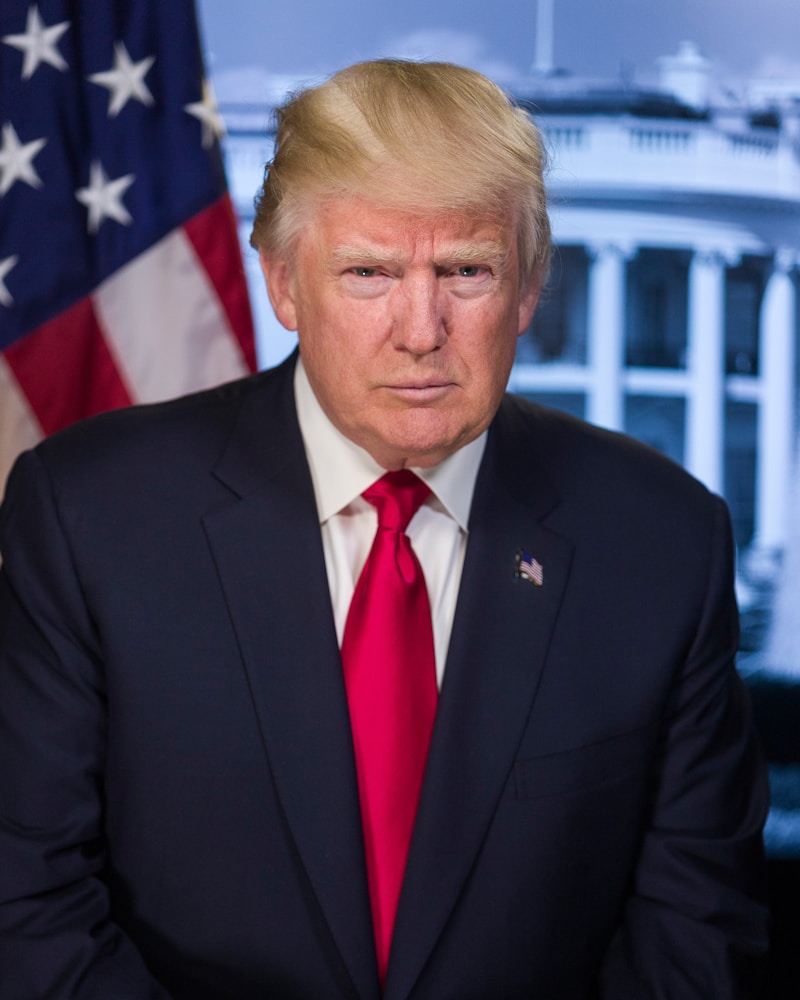
In recent weeks, former President Donald Trump has been at the center of multiple news stories, each highlighting his controversial approach to foreign policy, domestic issues, and public perception. The first major announcement came when Trump stated that the United States would reduce military exercises with South Korea, citing a lack of support from the South Korean government regarding Iran. This decision has raised eyebrows among military analysts and allies, given the unpredictable nature of North Korea's actions.
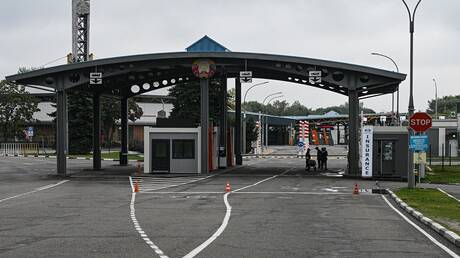
In a surprising turn of events, a recent incident at an airport revealed that years of Trump support among certain groups could unravel in a matter of minutes. This highlights the fragility of political loyalty, especially as the 2024 election approaches.
Trump's handling of the National Mall has also sparked controversy after he blamed vandals for the dead grass on the site of his 4th of July celebration. This incident has been criticized as an attempt to shift blame rather than taking responsibility for the consequences of hosting large events.
In another development, Trump expressed the need for a 'military complex' at the White House as courts blocked his ballroom from being used for certain events. The implications of this statement are significant, as it raises questions about the militarization of political spaces and the role of the judiciary in regulating such actions.
In foreign policy, Trump's son-in-law Jared Kushner has been actively working to advance Trump's Gaza plan by meeting with members of Hamas. This marked a rare engagement with the group, which has been largely ostracized in international diplomacy. Kushner's arrival in Israel following these talks indicates a potential shift in strategy as the Trump administration seeks to mediate in the ongoing conflict.
Moreover, Trump's envoys have been meeting with mediators while Israeli airstrikes continue in Gaza. The timing of these meetings raises questions about the effectiveness of U.S. diplomacy in the region and the potential for a lasting peace agreement.
On the domestic front, a Republican senator has publicly denounced Trump's 'crazy, stupid' claims regarding the safety of the MMR vaccine, highlighting a growing rift within the party over pandemic-related issues. This reflects a broader debate among Republicans about public health and the influence of misinformation.
Additionally, the BBC has taken legal steps to compel testimony from the Trump family in a defamation suit, further entangling the former president and his associates in legal challenges that could impact his political future.
Finally, reports have surfaced detailing Trump's secret backchannel communications with Iran's Revolutionary Guard. This development could have far-reaching consequences for U.S. foreign policy and relations with Iran, particularly as tensions remain high in the region.
Analysis and Political Context
Trump's recent actions illustrate a complex interplay of domestic and foreign policy challenges. His decision to reduce military exercises with South Korea, while strategically aimed at addressing issues with Iran, could undermine U.S. alliances in Asia. The political fallout from his comments about the MMR vaccine also signals a potential shift in the Republican Party's stance on public health, as some members push back against Trump's rhetoric.
Furthermore, Kushner's engagement with Hamas suggests a willingness to break new ground in Middle East diplomacy, albeit with significant risks involved. As Trump navigates these multifaceted issues, the reactions from both the public and political figures will likely shape his legacy and influence leading up to the next presidential election.