Trump’s Latest Moves: From Iran Talks to Tariff Deals and Military Drills
In recent days, former President Donald Trump has been at the center of several high-profile political events that have reignited discussions about his influence on U.S. foreign policy. Key among these are his statements regarding Iran, military drills with South Korea, and tariff negotiations with Canada.
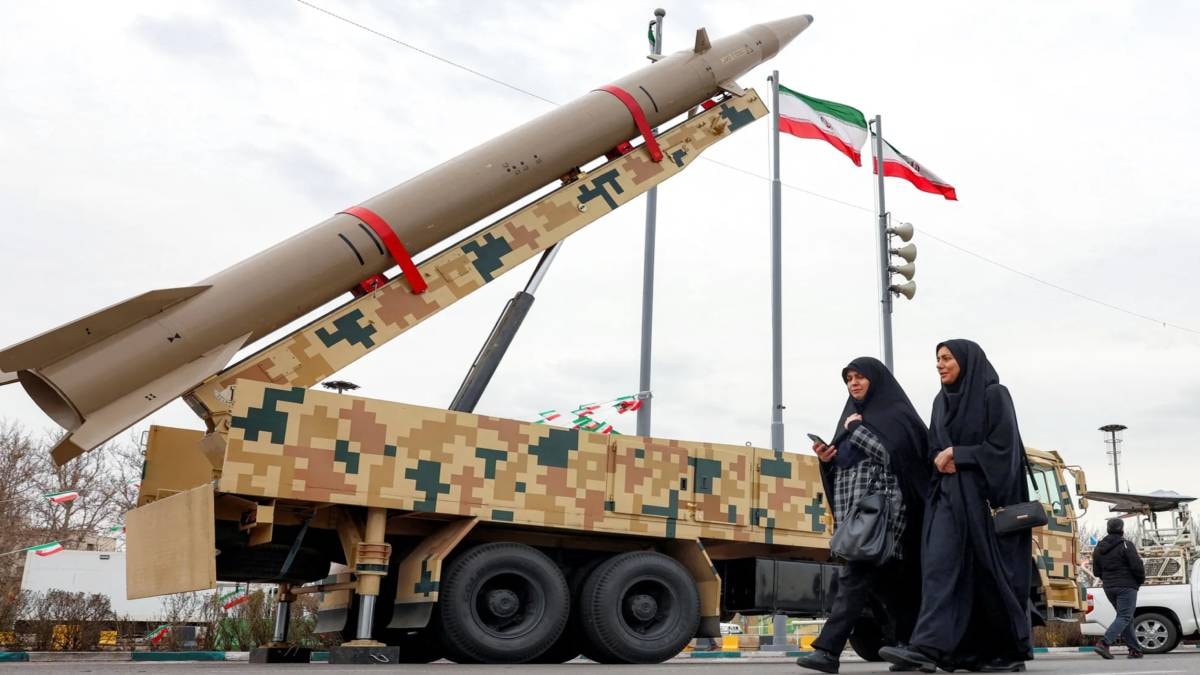
Starting with the Iran situation, Trump publicly denied any ongoing talks with Tehran, despite claims from Iranian officials that the U.S. is 'begging' for dialogue. The standoff over the Strait of Hormuz remains tense, with both sides exchanging harsh rhetoric and accusations. This denial comes amidst rising tensions in the region, including incidents involving oil tankers and military posturing.
In the entertainment realm, Rosie O'Donnell has taken to social media to criticize Trump’s comments regarding the Strait of Hormuz, highlighting the contentious relationship between Trump and various public figures. O'Donnell’s remarks add to the chorus of voices questioning Trump’s approach to foreign policy and his claims about U.S. diplomacy.
On the military front, Trump has directed the U.S. and South Korea to significantly reduce the length and scope of upcoming military drills. These joint exercises, which have traditionally served as a show of force against North Korean aggression, are now set to be halved in response to Trump's reported desire for another summit with North Korean leader Kim Jong-un. This move has raised eyebrows in Seoul, where officials express unease despite seeming to get what they wanted: a reduction in military tensions.
Additionally, Trump made headlines with his decision to pause new 50% tariffs on Canadian imports after announcing a 'last-minute deal' with Ottawa. This pause, described as a temporary measure, has been received with mixed reactions. Canadian officials, while appreciative of the delay, have noted that significant work remains to be done in negotiations.
Interestingly, amid these developments, Natalie Harp, an aide close to Trump, gained attention for her unique approach to accompany him, having once ridden in the trunk of an SUV to ensure she was by his side. This anecdote highlights the lengths some aides will go to maintain proximity to Trump, reflecting the loyalty and commitment he inspires among his supporters.
Overall, these events illustrate Trump's continued prominence in shaping U.S. policy, both domestically and internationally. His approach to Iran, South Korea, and Canada underscores a complex strategy that appears to balance aggressive rhetoric with pragmatic negotiations. Trump's actions not only influence current political dynamics but also set the stage for future interactions with global leaders.
Analysis and Political Context
Trump's recent actions can be viewed through various lenses, including political strategy, international relations, and domestic policy. His insistence on denying talks with Iran may resonate with his base, which values a tough stance against perceived adversaries. Conversely, his willingness to pause tariffs on Canada reflects a necessary compromise in the face of economic realities and the interconnectedness of U.S.-Canadian trade.
The reduction of military drills with South Korea raises questions about the future of U.S. military presence in the region and the effectiveness of deterrence strategies against North Korea. While this may align with Trump's desire for diplomacy, it also risks emboldening adversaries who may perceive the U.S. as retreating from its commitments.
In conclusion, Trump's recent developments highlight a multifaceted approach to governance that blends bravado with strategic concessions. As the political landscape continues to evolve, the implications of these decisions will be closely monitored both in the U.S. and abroad.