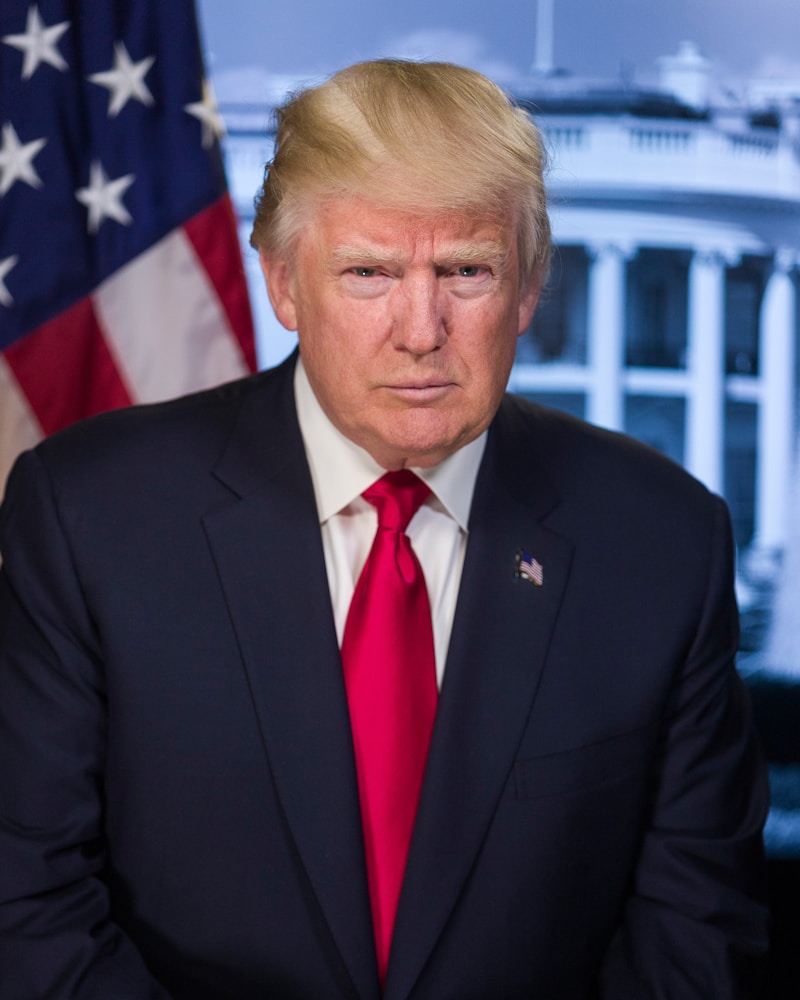
Trump's Latest Moves: From Immigration Bills to Enriched Uranium Claims
•The Senate passed a $70 billion immigration bill and rejected attempts to ban Trump's settlement fund.
•Trump claimed only the U.S. and China can retrieve enriched uranium from Iran, raising national security concerns.
•A Ukraine aid package passed the House despite Trump's opposition, highlighting divisions within the GOP.
المصدر: Khabr Exclusive | Source: Khabr ExclusiveTrump's Latest Moves: From Immigration Bills to Enriched Uranium Claims
The political landscape surrounding former President Donald Trump has been buzzing with activity, especially as the Senate recently passed a $70 billion immigration bill while simultaneously rejecting attempts to permanently ban Trump's controversial settlement fund. This comes amidst ongoing debates and decisions that could have lasting impacts on both domestic and foreign policies.
In a significant display of political maneuvering, Republicans successfully defeated the first attempt to block Trump's $1.8 billion payout fund. This fund has been a point of contention among lawmakers, highlighting the divisions within the party regarding Trump's influence and the direction of Republican policies.
As the immigration bill progressed, it was noted that the Senate has also approved funding for ICE and Border Patrol, making it clear that immigration remains a pivotal issue in American politics. Trump's policies on immigration continue to resonate with a substantial portion of the Republican base, ensuring that these discussions remain at the forefront.
In a surprising statement, Trump claimed that only the United States and China have the capability to retrieve enriched uranium from Iran's 'obliterated' nuclear sites. This assertion raises questions about the current administration's approach to Iran and its nuclear ambitions, as well as Trump's ongoing rhetoric surrounding national security.
Meanwhile, the former President's personal life has also drawn attention, particularly his recent obsession with seeking 'retribution' against writer E. Jean Carroll. This situation reflects the ongoing legal battles Trump faces and his continued fixation on perceived slights, which could influence his political narrative moving forward.
Amidst these developments, Trump has accepted an invitation to attend the NBA Finals Game 3 in New York, a move that could bolster his public image and connect him with mainstream American culture, albeit in a controversial context given his divisive political persona.
On the international front, tensions have escalated as Israel launched strikes in Lebanon, coinciding with the fragile state of ceasefires in the region. Trump's previous foreign policy decisions may be scrutinized as these events unfold, particularly his stance on Israel and Middle Eastern relations.
In a surprising turn of events, a Ukraine aid package passed the House, defying GOP leaders and Trump's own stance against extensive foreign aid. This vote indicates a growing divide within the party regarding support for Ukraine amid ongoing conflicts, suggesting that Trump's influence may be waning in certain sectors.
Further complicating the narrative, whistleblower reports have emerged indicating that Trump officials allegedly planned to designate 2.7 million living individuals as deceased. Such revelations could have severe implications for Trump's administration's credibility and raise questions about the integrity of governmental processes during his tenure.
As the Senate continues its overnight session debating limits on the $1.8 billion Trump settlement, it is evident that the former President's legacy remains a contentious topic. The complexities of these ongoing debates reflect not only the challenges faced by the GOP but also Trump's enduring impact on American politics.
In conclusion, the latest happenings surrounding Trump reveal a multifaceted political landscape where immigration policies, international relations, personal vendettas, and party dynamics intertwine. As America moves forward, the ramifications of these events will likely shape the political discourse leading into the next election cycle.
→The Senate passed a $70 billion immigration bill and rejected attempts to ban Trump's settlement fund.
→Trump claimed only the U.S. and China can retrieve enriched uranium from Iran, raising national security concerns.
ملاحظة تحريرية | Editorial Note: نُشر هذا المقال في الأصل بواسطة Khabr Exclusive. خبر (Khabr) هي منصة إعلامية أردنية مرخّصة تعمل بالذكاء الاصطناعي. نضيف قيمة تحريرية من خلال: تحليل ذكي للأخبار، ملخصات تلقائية، رواية صوتية بالذكاء الاصطناعي، ترجمة متعددة اللغات، وتدقيق الحقائق. هدفنا جعل الأخبار أكثر وضوحاً وسهولةً للقارئ العربي.
This article was originally published by Khabr Exclusive. Khabr is a licensed Jordanian AI-powered news platform (Registration #82086). We add editorial value through: AI-powered news analysis, automated summaries, AI audio narration, multi-language translation (Arabic, English, French, Turkish), and AI fact-checking. Our mission is to make news more accessible and understandable for Arabic-speaking audiences worldwide.