Trump's Latest Moves: From Emergency Declarations to Foreign Relations Challenges
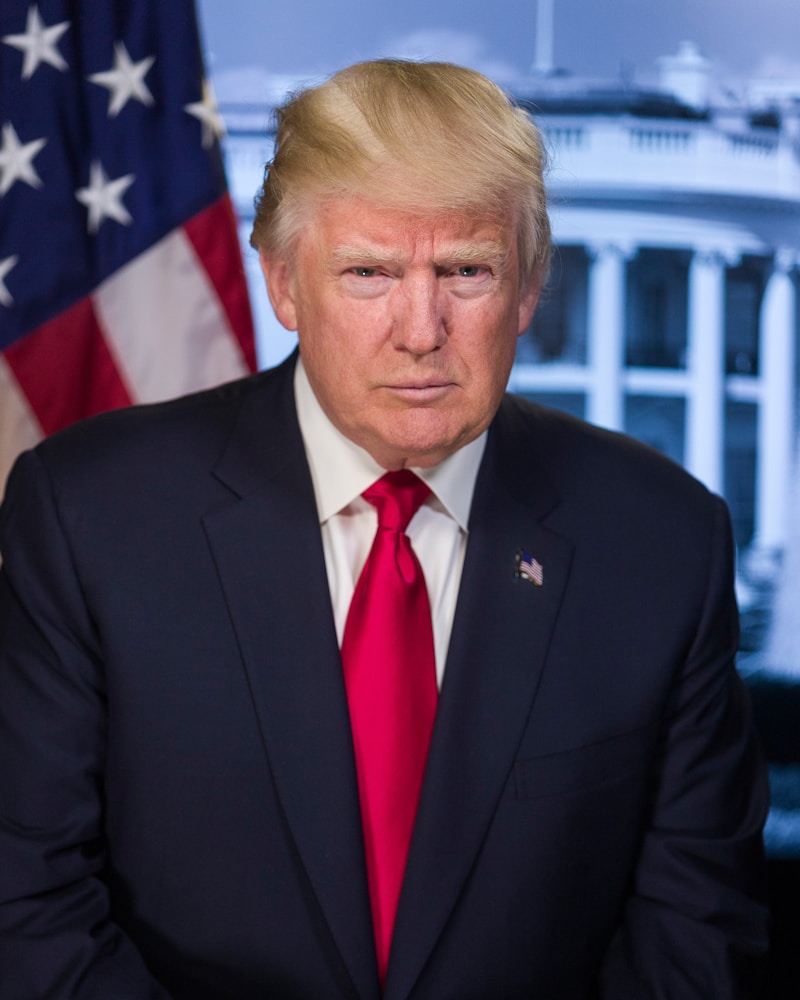
In recent days, former President Donald Trump has been a focal point of political discourse, engaging in a series of actions and remarks that highlight both domestic and international challenges. His comments regarding the Strait of Hormuz and emergency declarations in response to severe weather in Indiana have garnered significant attention.
Trump's Controversial Remarks on Iran
Trump recently stated his desire for the Strait of Hormuz to be considered U.S. territory, prompting a swift rejection from Iranian officials who dismissed his comments as "delusions." This statement reflects Trump's ongoing focus on Iran as tensions in the region persist, particularly as the U.S. military adjusts its presence in Asia.
Emergency Declarations Following Severe Storms
Amidst severe storms and flooding in Indiana that resulted in five fatalities, Trump approved emergency declarations for the state to facilitate federal assistance. These declarations are crucial for enabling disaster relief efforts and providing necessary aid to affected communities.
Colombia's Request for Tariff Suspension
On the international front, Colombia's new president has reached out to Trump, requesting a suspension of tariffs following a devastating earthquake that has left the country in dire need of support. This appeal underscores the impact of U.S. trade policies on countries facing natural disasters and economic challenges.
Domestic and International Policy Dynamics
In addition to his emergency declarations and foreign policy engagements, Trump has showcased an article highlighting lower drug prices, which paradoxically credits President Biden for the progress rather than himself. This highlights the complex dynamics of political credit and accountability as both parties navigate public health issues.
Geopolitical Context and Future Implications
As China expands its influence in Asia, Trump's focus on Iran may reflect a strategic pivot to address rising global tensions. The withdrawal of the last U.S. aircraft carrier from Asia further emphasizes a potential shift in military priorities, possibly leaving a gap that could be filled by competing powers.
Conclusion
Trump's recent actions and statements reveal a multifaceted approach to handling both domestic crises and international relations. As he continues to navigate these challenges, the implications of his decisions will undoubtedly shape the political landscape in the months to come.