Trump's Latest Moves: From Economic Strategies to Name Controversies
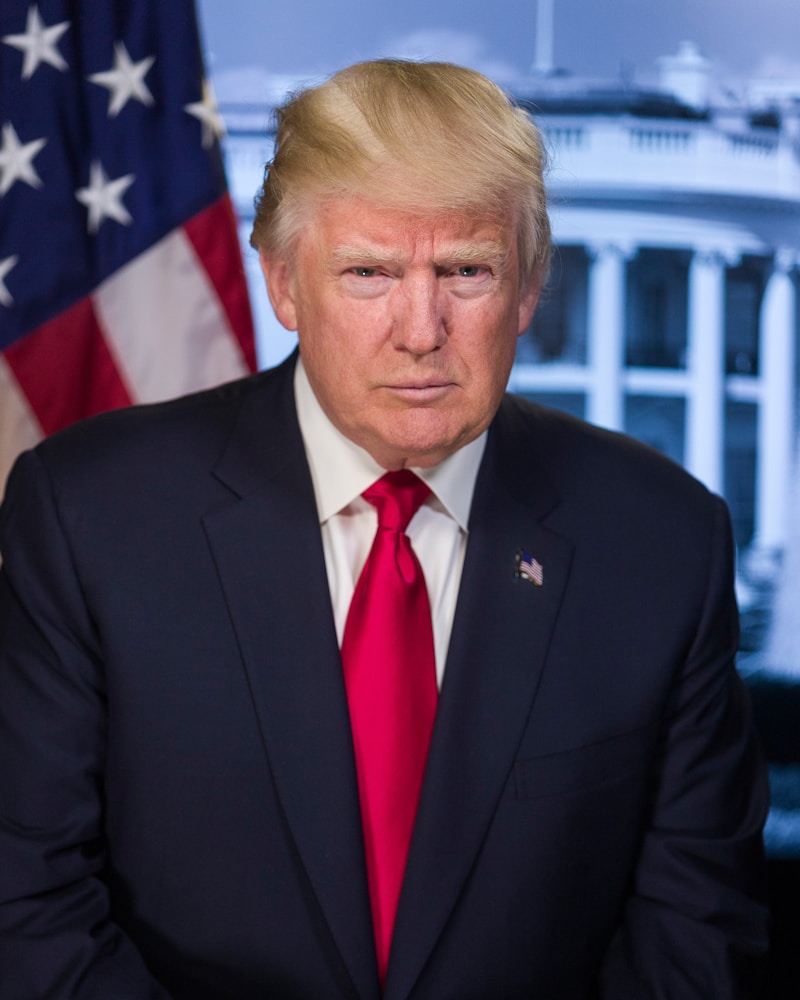
In recent weeks, Donald Trump has been at the center of various significant events, showcasing both his ongoing influence in American politics and the complexities surrounding his legacy. The headlines span from potential economic strategies impacting foreign relations to controversies regarding the honoring of military heroes.
One of the most discussed topics is Trump's proposed 'economic D-Day' aimed at exerting pressure on Iran. Analysts are assessing the implications of this strategy, which could significantly impact Iran's economy amid ongoing tensions. The potential fallout from such a move raises questions about the balance of power in the Middle East and the U.S.'s role in shaping international economic landscapes.
Meanwhile, in a surprising turn of events, Michael Cohen, once a vocal critic of Trump, appears to have softened his stance. Reports indicate that Cohen, who was previously embroiled in legal battles with Trump, has reconciled with him, marking a strange yet significant reunion. This reconciliation has sparked discussions on loyalty and betrayal within the Republican Party, as Cohen’s shift from Trump hater to ally raises eyebrows.
Adding to the narrative of Trump's enduring influence are the discussions within the U.S. Navy regarding the renaming of an aircraft carrier. Initial plans to honor a heroic Black sailor have shifted, with proposals to instead name the vessel after Trump. This decision has ignited a heated debate about race, legacy, and what it means to honor American heroes. Critics argue that honoring Trump over a distinguished African American sailor undermines the progress toward racial equality and recognition in the military.
Further complicating the conversation around Trump's legacy is the Kennedy Center's announcement to reinstate Trump's name on its building, a move that has been met with mixed reactions. As preparations continue for this change, a legal challenge has emerged, with a judge being asked to block the inscription of Trump's name. This highlights the contentious relationship between Trump’s supporters and detractors, as many see this as an affront to the values the arts represent.
As these events unfold, it is evident that Trump's influence remains pervasive in American political discourse. His economic strategies have far-reaching implications, not just for domestic policies but also for international relations, particularly with adversaries like Iran. The reconciliation with Cohen adds another layer to the complex web of alliances and loyalties within the GOP, as party members navigate personal relationships and political ambitions.
In conclusion, Trump's recent activities serve as a reminder of his lasting impact on American politics and culture. The controversies surrounding the renaming of military vessels and cultural institutions reveal the ongoing struggle to define the narrative of American heroism and legacy in a diverse society. As these discussions continue, they will undoubtedly shape the political landscape leading up to the next elections and beyond.