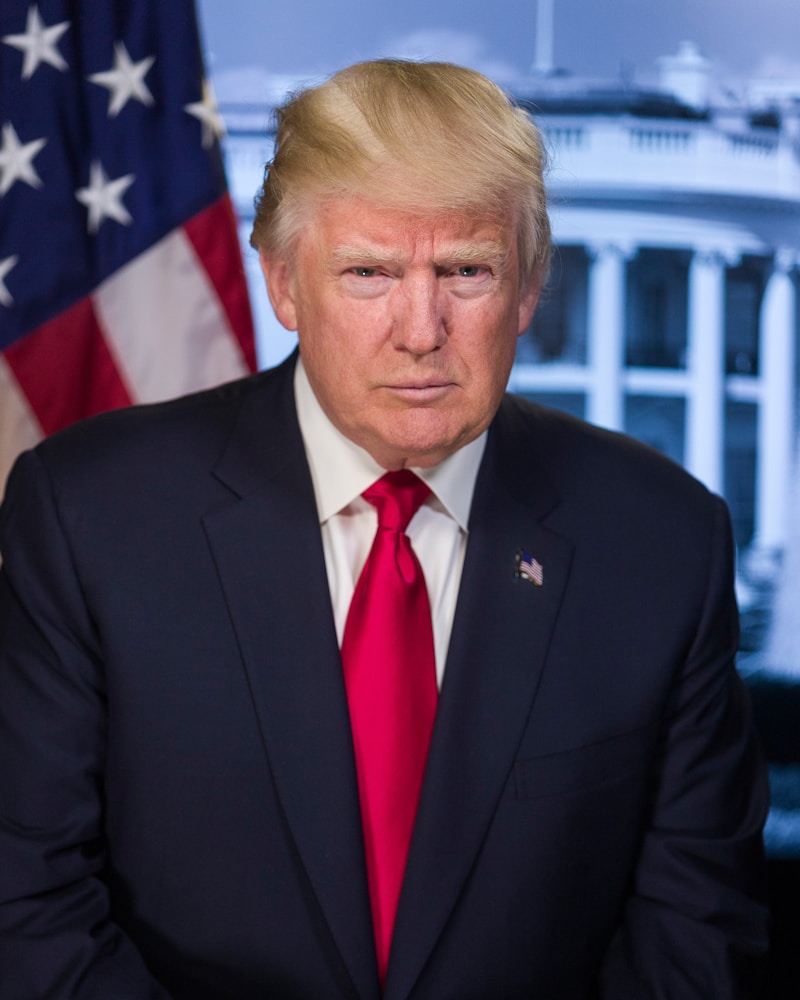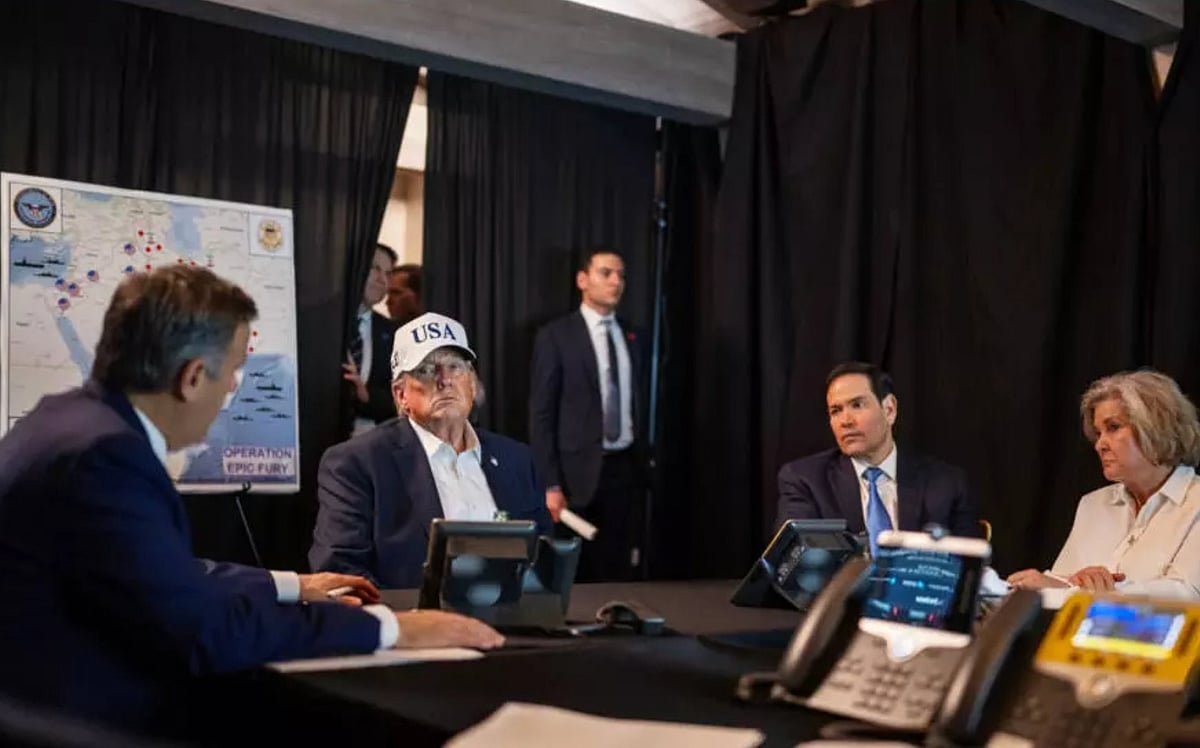
Dubai: With hours ticking down on a self-imposed deadline, US President Donald Trump is facing a defining test — whether to carry out sweeping threats to strike Iran’s critical infrastructure or once again step back from the brink.
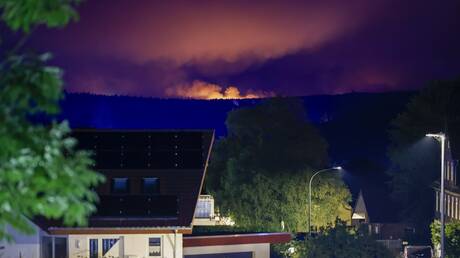
Trump has warned that unless Tehran agrees to reopen the Strait of Hormuz and accept a deal “acceptable to me” by 8pm Washington time, the United States will unleash a wave of attacks targeting power plants, bridges, oil facilities and potentially desalination sites.
“Tuesday will be Power Plant Day, and Bridge Day, all wrapped up in one, in Iran,” Trump wrote, adding in a blunt warning: “Open the… Strait… or you’ll be living in Hell — JUST WATCH!”
The scale and specificity of the threat mark one of the most explicit escalations in the five-week war. “Very little is off-limits,” Trump said, according to BBC News, raising fears of a devastating campaign that could cripple Iran’s civilian infrastructure.
Yet even as the rhetoric intensifies, the outcome remains uncertain.
Iran has rejected ceasefire proposals and is holding firm on its demands, described by US officials as “maximalist”. That leaves Trump caught between two risks — backing down after repeated ultimatums or following through and triggering a broader, more destructive phase of the conflict.
The credibility question is central. Trump has already delayed similar deadlines multiple times in recent weeks despite limited signs of serious negotiations, raising doubts about whether this latest ultimatum will hold.
At the same time, the threats themselves are drawing sharp legal scrutiny.
War crimes
Analysts and officials cited by CNN warn that targeting civilian infrastructure on such a scale could violate international humanitarian law and potentially amount to war crimes.
“That has traditionally been considered a war crime,” analyst Fareed Zakaria said, pointing to long-standing protections under the Geneva Conventions.
Key points
Deadline set: 8pm Washington ultimatum on Hormuz
Repeated delays: Previous deadlines extended multiple times
Mass strike threat: Power, oil, bridges, desalination targets
War crimes debate: Experts warn of potential legal violations
Pattern of rhetoric: Trump has floated similar ideas before
Iran unmoved: Rejects ceasefire, holds firm on demands
Credibility at stake: Backing down vs escalation dilemma
Global risk: Hormuz disruption threatens energy markets
The United Nations has echoed those concerns, stating that attacks on clearly civilian infrastructure are not permitted under international law.
Trump, however, has dismissed such criticism. “You know the war crime?” he told reporters. “The war crime is allowing Iran to have a nuclear weapon.”
CNN notes that this is not an isolated moment but part of a broader pattern in which Trump has repeatedly floated actions — from targeting cultural sites to harsher battlefield tactics — that critics say could breach international norms, before sometimes stepping back under pressure.
Deeper strategic dilemma
That pattern now raises the stakes. If Trump follows through, it would mark the most significant escalation yet — not just militarily, but in terms of how far the US is willing to go.
Even Trump has acknowledged the consequences. “Do I want to destroy their infrastructure? No,” he said, adding that rebuilding Iran could take “20 years” if the US stopped now — or “a century” if such strikes were carried out.
Iran’s edge: Missiles, mines and Hormuz leverage
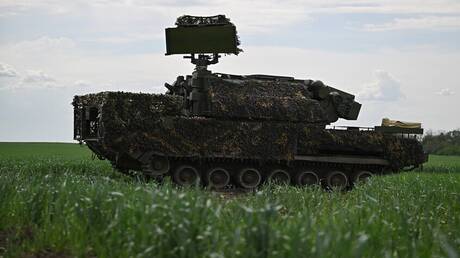
Missile arsenal: Iran possesses a large inventory of ballistic and cruise missiles, capable of striking US bases and regional infrastructure in the region
Drone warfare: Tehran has developed long-range drones and loitering munitions, allowing sustained, low-cost attacks that can overwhelm air defences
Hormuz choke point: The Strait of Hormuz — a narrow corridor through which roughly 20% of global oil flows — remains Iran’s most powerful leverage point
Naval disruption tactics: Iran can deploy fast attack boats, sea mines and anti-ship missiles to harass or halt tanker traffic without needing full naval dominance
Asymmetric warfare: Rather than matching US firepower, Iran relies on disruption, attrition and unpredictability to raise costs for Washington and its allies
Proxy network: Allied groups across the region — including in Yemen, Iraq and Lebanon — can open multiple fronts, stretching US and allied defences
Low-cost, high impact: Even limited actions — such as mining shipping lanes or targeting a few vessels — can trigger global oil price spikes and supply shocks
Psychological deterrence: As Donald Trump himself acknowledged, disrupting Hormuz may require far less effort than sustaining large-scale war — “all you need is one” successful attack to create chaos
The standoff also underscores a deeper strategic dilemma.
While Washington has demonstrated overwhelming military capability — including complex operations deep inside Iran — Trump conceded that controlling outcomes remains difficult. “We can bomb the hell out of them… but to close the Strait, all you need is one terrorist,” he said, highlighting Iran’s asymmetric leverage.
That leverage — the ability to disrupt shipping through drones, missiles or mines — continues to cast a shadow over global energy markets and regional stability.
For now, Trump insists diplomacy is still possible. “They would like to make a deal,” he said. “We’ll see what happens.”
But as the deadline looms, the world is left watching a familiar but increasingly dangerous pattern — threats escalating, lines drawn, and uncertainty over whether they will be crossed.
Whether this moment ends in a deal, another delay, or a dramatic escalation could reshape not only the trajectory of the war, but also perceptions of US power, restraint and credibility on the global stage.