Trump's Housing Bill Standoff: A Political Gamble Amidst Election Tensions
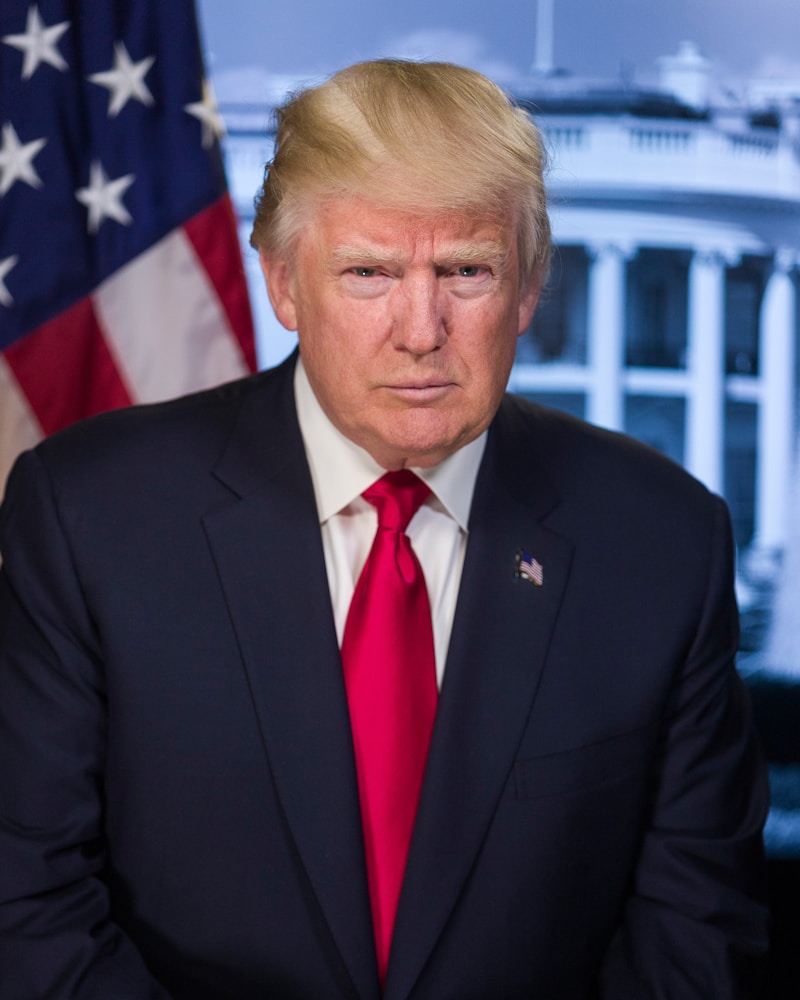
In a surprising twist in American politics, former President Donald Trump has abruptly refused to sign a landmark bipartisan housing bill, citing his stalled elections legislation as the primary reason for his decision. This development has generated significant discourse regarding his priorities as he continues to influence the Republican agenda.
Initially, Trump was set to sign the bipartisan housing bill aimed at addressing the growing housing crisis and the impact of Wall Street investors on the housing market. However, he canceled the signing event, emphasizing that he would not proceed unless lawmakers pass the SAVE America Act, which includes stringent voter identification laws.
This cancellation comes on the heels of a federal judge barring Trump's proof of citizenship requirement to vote, a decision that Trump has decried. The judge's ruling is emblematic of the ongoing legal battles surrounding voting rights and election integrity, issues that Trump has continuously championed since the 2020 election.
Trump's stance has drawn sharp criticism from various quarters, with many accusing him of showing 'complete indifference' to the rising living costs faced by Americans. The housing bill, which had garnered bipartisan support, was seen as a critical step toward alleviating the struggles of millions affected by the housing crisis.
Adding to the irony of the situation, popular media outlets like 'The Daily Show' have highlighted the contradictions in Trump's narrative, particularly his claims regarding vandalism at the Reflecting Pool, juxtaposed against his inaction on pressing housing issues. Moreover, some analysts argue that Trump's problems with algae in the Reflecting Pool symbolize a larger negligence in addressing pressing national issues.
In a parallel development, the Senate passed a resolution directing Trump to end hostilities with Iran, showcasing a different aspect of his political maneuvering. This resolution reflects the divided opinions within the GOP as some members urge a reset in Trump's aggressive foreign policies.
Despite the backlash from his own party, Trump scored a significant victory with Congress passing a crackdown on Wall Street investors, a move that aligns with his populist rhetoric aimed at protecting American homeowners. However, the simultaneous cancellation of the housing bill signing has left many questioning Trump's commitment to the economic wellbeing of everyday Americans.
As Trump faces increasing dissent from GOP critics advocating for a political reset, the fallout from his housing bill decision raises critical questions about his strategy leading into future elections. Will he prioritize voter identification laws over immediate economic relief for constituents? The unfolding political narrative suggests that Trump remains steadfast in his approach, even if it risks alienating potential allies within the Republican Party.
In conclusion, Trump's refusal to sign the housing bill not only highlights his controversial political tactics but also underscores the broader implications for American voters who are grappling with rising living costs. As the political landscape continues to evolve, the impact of Trump's decisions will be closely monitored as he attempts to navigate the complexities of the upcoming electoral cycle.