⚡ عاجل: كريستيانو رونالدو يُتوّج كأفضل لاعب كرة قدم في العالم●⚡ أخبار عاجلة تتابعونها لحظة بلحظة على خبر●⚡ تابعوا آخر المستجدات والأحداث من حول العالم●
AI اقتراحات ذكية
AI مباشر|--مشاهد مباشر
1,036,068مقال401مصدر نشط228قناة مباشرة3,699خبر اليوم
آخر تحديث:منذ ثانية
Trump’s call to expand Abraham accords is destined to fail
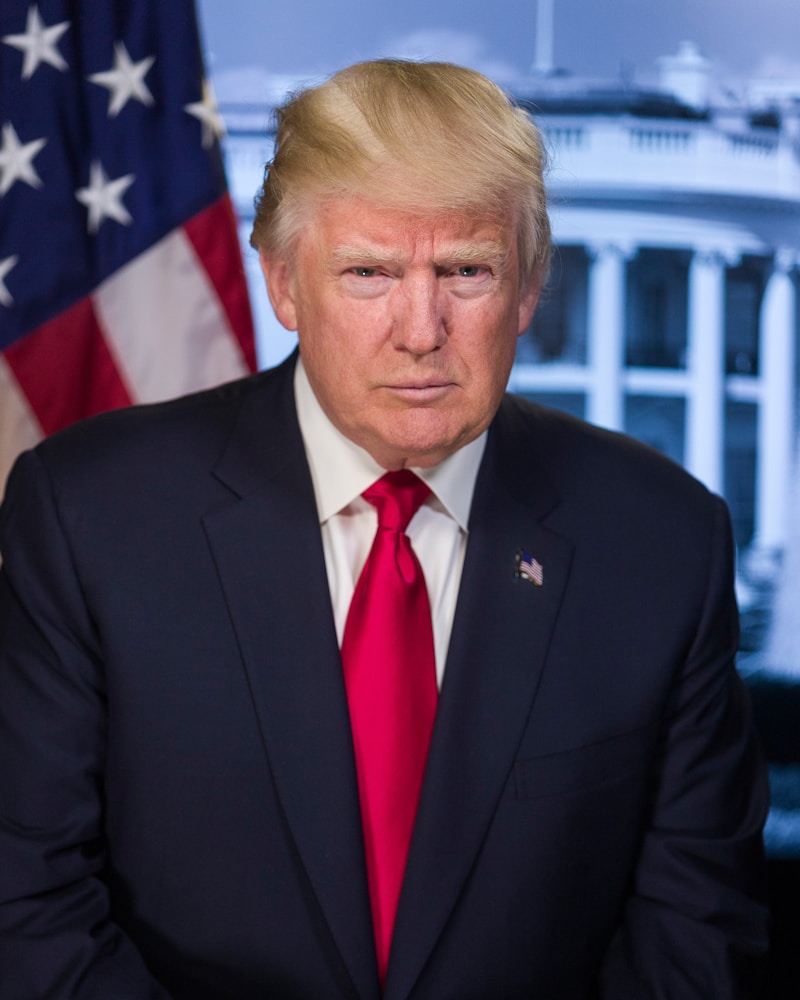
•As negotiations to end the Iran war continued on May 25, Donald Trump made a series of phone calls in which he pressed key leaders from the Middle East to join the Abraham accords.
•Announced in 2020, these accords established diplomatic relations between Israel and several Arab states, beginning with the United Arab Emirates (UAE) and Bahrain.
•The US president reiterated his proposal in a social media post later that day: “After all the work done by the United States to try and pull this very complex puzzle together, it should be mandatory...
هذا الخبر من ذا كونفرسيشن. خبر يقدم أدوات ذكاء اصطناعي للتلخيص والترجمة والاستماع.
As negotiations to end the Iran war continued on May 25, Donald Trump made a series of phone calls in which he pressed key leaders from the Middle East to join the Abraham accords. Announced in 2020, these accords established diplomatic relations between Israel and several Arab states, beginning with the United Arab Emirates (UAE) and Bahrain.
The US president reiterated his proposal in a social media post later that day: “After all the work done by the United States to try and pull this very complex puzzle together, it should be mandatory that all of these countries, at a minimum, simultaneously, sign the Abraham accords.”
Trump’s post suggested that Iran could also join the accords. This really would be something, given that one motivation for signing the accords was to push back against Iranian influence in the region. Sadly for Trump, this is wishful thinking at best.
Few Middle Eastern leaders can agree to Trump’s proposal. In comments published by Politico on May 26, one unnamed former US diplomat described Trump’s comments as a “poison pill”. They added he had created new “conditions for peace that neither Iran nor the states in question will accept”.
In advocating this approach, Trump misreads the vitriol held by many across the Middle East – and beyond – about Israel’s actions in Gaza and Lebanon. The official death toll in Gaza, where Israel has fought a military campaign since 2023, stands at over 70,000 people. A further 170,000 people have been injured amid what many are calling a “genocide”.
In southern Lebanon, Israel has used ground troops and a relentless campaign of air attacks since the beginning of the Iran war in what appears to be an attempt to secure a “buffer zone” against attacks from Hezbollah. More than 3,200 people there have been killed so far, with a further 7,500 injured and millions forced from their homes. This is despite the signing of a ceasefire between Israel and the Lebanese government in April.
Opposing Trump’s proposal
The destruction of Gaza angered Bahrain and the UAE, with Manama recalling its ambassador to Israel shortly after the start of the war. But neither country withdrew from the Abraham accords. Instead, trade and security collaboration continued with both taking the stance that working more closely with Israel would be in the best interests of their states.
Yet Bahrain and the UAE are outliers in the Middle East. Other countries are far less willing, or able, to normalise with Israel. When US officials visited Saudi Arabia in 2024, four years after the signing of the accords, Crown Prince Mohammad bin Salman is said to have told them he feared being killed if he normalised relations with Israel.
Though many have argued the Saudi Kingdom was close to normalising relations with Israel before the war in Gaza, this has been largely rejected by Saudi officials. And since the outbreak of the Gaza war, bin Salman and other Saudi officials have repeatedly stressed that normalisation of diplomatic relations with Israel will not happen without irrevocable steps being taken towards Palestinian statehood.
Meanwhile, tensions between Israel and Turkey have been brewing for some time. In February, the former Israeli prime minister, Naftali Bennett, declared that Turkey was “the next Iran”. More recently, on May 20, Israel’s minister of culture and sports, Miki Zohar, declared that Turkey should be treated as “an enemy state”.
And in Qatar, state officials remain furious with Israel for launching strikes on Doha in 2025 in an attempt to kill key Hamas figures who were based there. Qatar said it had been hosting Hamas figures as part of broader mediation efforts requested by the US and Israel.
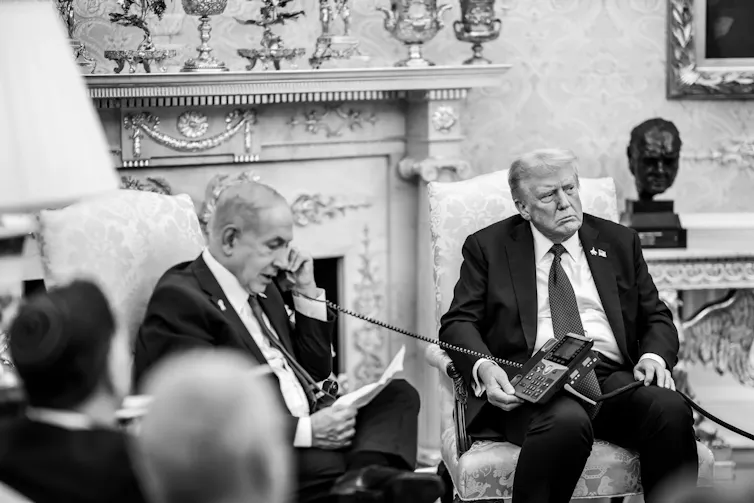
The strikes led to a now infamous photo released by the White House of Trump overseeing the Israeli prime minister, Benjamin Netanyahu, while he called Qatari prime minister Sheikh Mohammed bin Abdulrahman Al Thani to apologise.
Benjamin Netanyahu calls Qatar’s prime minister, Sheikh Mohammed bin Abdul Rahman Al Thani, from the White House in September 2025.White House, CC BY-NC
The idea of Iran becoming a signatory of the Abraham accords in the immediate aftermath of a devastating war is also fanciful. Tensions between Israel and Iran can be traced back to 1979, when a revolution toppled the Iranian monarchy and led to the establishment of an Islamic republic.
Iran’s new leadership immediately provided support to the Palestinian cause and, in later years, to Hezbollah and other militias across the Middle East. In response, Israel has carried out military strikes on targets across Iran, assassinated key nuclear scientists and more. To suggest disregarding almost half a century of history with little to no efforts at reconciliation is farcical.
Why, then, has Trump suggested such a move? Perhaps it speaks to a need to assuage domestic constituencies within the US, or those in Israel, pushing for wider normalisation between Tel Aviv and the Arab and Muslim worlds.
A second reading is that it is an attempt to prevent diplomatic progress on resolving tensions with Iran by putting an insurmountable obstacle in the way in the form of the demand for normalisation with Israel, perhaps reflecting the plurality of positions on the war found in Washington.
A third view is that this is a move aimed at diminishing the scale of destruction and human suffering that has been wrought on Gaza, the West Bank and Lebanon, in the hope that a form of transactional politics – driven by trade and security – will prove sufficient. But, as Trump will find out, this is a longshot.
Simon Mabon receives funding from Carnegie Corporation of New York and the Henry Luce Foundation.
ملاحظة تحريرية | Editorial Note:
نُشر هذا المقال في الأصل بواسطة ذا كونفرسيشن.
خبر (Khabr) هي منصة إعلامية أردنية مرخّصة تعمل بالذكاء الاصطناعي.
نضيف قيمة تحريرية من خلال: تحليل ذكي للأخبار، ملخصات تلقائية، رواية صوتية بالذكاء الاصطناعي، ترجمة متعددة اللغات، وتدقيق الحقائق.
هدفنا جعل الأخبار أكثر وضوحاً وسهولةً للقارئ العربي.
This article was originally published by ذا كونفرسيشن.
Khabr is a licensed Jordanian AI-powered news platform (Registration #82086).
We add editorial value through: AI-powered news analysis, automated summaries, AI audio narration, multi-language translation (Arabic, English, French, Turkish), and AI fact-checking.
Our mission is to make news more accessible and understandable for Arabic-speaking audiences worldwide.
هذا الخبر ضمن تغطية خبر لقسم سياسة.
نقدّم لك تحليلات ذكية وملخصات يومية لأهم الأخبار من مصادر موثوقة متعددة.
المصدر: ذا كونفرسيشن.
يوجد 6 مقالات مرتبطة بهذا الموضوع.
This article is part of Khabr's coverage of Politics.
We provide AI-powered analysis, summaries, and multi-source aggregation to keep you informed.
Source: ذا كونفرسيشن.
Tags: Trump, Abraham Accords, foreign policy.
🍪 نستخدم ملفات تعريف الارتباط لتحسين تجربتك وعرض الإعلانات المخصصة. باستخدامك للموقع، فإنك توافق على سياسة ملفات تعريف الارتباط وسياسة الخصوصية.
We use cookies to enhance your experience and show personalized ads. By using this site, you agree to our Cookie Policy and Privacy Policy.
🔍
FREEFree 1GB Internet + Free International Calls
$1 trial — eSIM in 190+ countries — No roaming charges