Trump Criticizes NATO Funding: Calls Current U.S. Support 'Ridiculous'
•Trump's Stance on NATO FundingIn a recent interview, former President Donald Trump expressed his disdain for the current level of financial support the United States provides to the North Atlantic Tre...
•He described this commitment as 'ridiculous,' sparking renewed discussions on the relevance and effectiveness of NATO in today's geopolitical landscape.Contextualizing Trump's RemarksTrump's criticism...
•As it stands, the U.S.
هذا الخبر من خبر - ترند. خبر يقدم أدوات ذكاء اصطناعي للتلخيص والترجمة والاستماع.
المصدر: خبر - ترند | Source: خبر - ترندTrump's Stance on NATO Funding
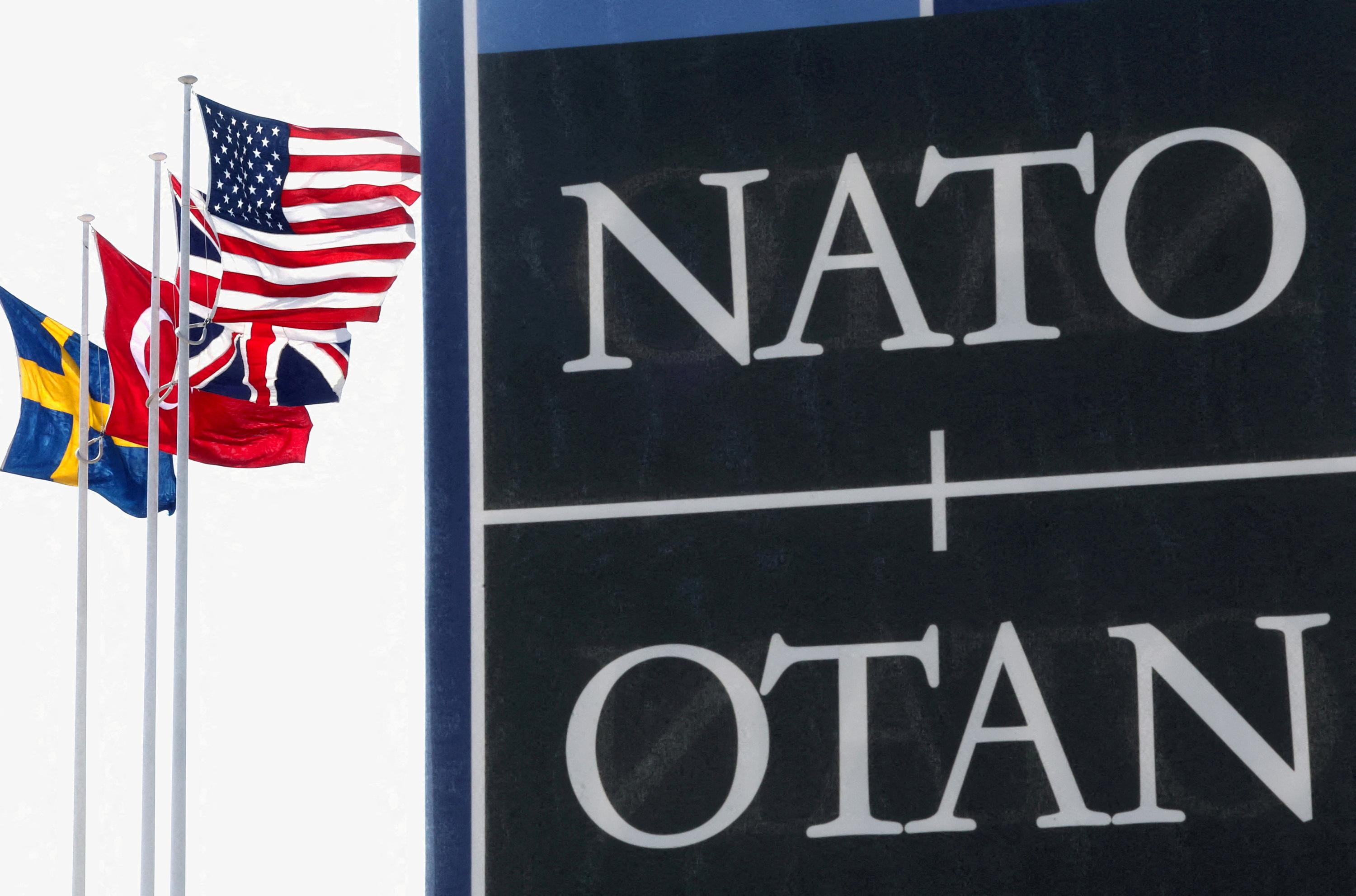
In a recent interview, former President Donald Trump expressed his disdain for the current level of financial support the United States provides to the North Atlantic Treaty Organization (NATO). He described this commitment as 'ridiculous,' sparking renewed discussions on the relevance and effectiveness of NATO in today's geopolitical landscape.
Contextualizing Trump's Remarks
Trump's criticism is not new; during his presidency, he frequently challenged NATO's funding structure, advocating for member countries to shoulder a more significant share of defense costs. As it stands, the U.S. contributes approximately 22% of NATO's common budget, a figure that has drawn fire from several quarters for being disproportionate compared to other member states.
The Burden-Sharing Debate
The issue of burden-sharing within NATO has been a contentious point for years. Many of NATO's European members spend significantly less on defense than the 2% of GDP benchmark agreed upon at the Wales Summit in 2014. Trump's statement has reignited debate among policymakers and military experts about whether the U.S. should continue to be the largest financial contributor to the alliance.
Reactions from Political Analysts
Political analysts have weighed in on Trump's comments, with some arguing that his perspective could resonate with a segment of the American public that feels burdened by international commitments. Others caution that such a stance may undermine NATO's collective defense principle, which is based on mutual support among allies. The support for NATO has historically been seen as a pillar of U.S. foreign policy, aimed at ensuring stability in Europe and countering threats from adversaries such as Russia.
The Importance of NATO in Contemporary Security
As global security dynamics shift, the role of NATO remains crucial. With Russia's aggressive posturing and China's growing influence, NATO serves as a deterrent against potential threats to member countries. Critics of Trump's remarks stress that reducing U.S. support could embolden adversaries and destabilize the region.
Implications for Future U.S. Foreign Policy
Trump's comments may foreshadow a potential shift in U.S. foreign policy if he or similar candidates gain political traction in upcoming elections. As the political landscape evolves, the question remains whether the U.S. will maintain its commitment to NATO or pursue a more isolationist approach.
Conclusion
As discussions surrounding NATO funding and U.S. support continue, Trump's 'ridiculous' label will likely fuel further debate among lawmakers, military experts, and citizens. The future of NATO and its effectiveness in ensuring collective security will depend on how member nations navigate these challenges together.
ملاحظة تحريرية | Editorial Note: نُشر هذا المقال في الأصل بواسطة خبر - ترند. خبر (Khabr) هي منصة إعلامية أردنية مرخّصة تعمل بالذكاء الاصطناعي. نضيف قيمة تحريرية من خلال: تحليل ذكي للأخبار، ملخصات تلقائية، رواية صوتية بالذكاء الاصطناعي، ترجمة متعددة اللغات، وتدقيق الحقائق. هدفنا جعل الأخبار أكثر وضوحاً وسهولةً للقارئ العربي.
This article was originally published by خبر - ترند. Khabr is a licensed Jordanian AI-powered news platform (Registration #82086). We add editorial value through: AI-powered news analysis, automated summaries, AI audio narration, multi-language translation (Arabic, English, French, Turkish), and AI fact-checking. Our mission is to make news more accessible and understandable for Arabic-speaking audiences worldwide.