Trump Advocates for U.S. Reimbursement in Strait of Hormuz Security Efforts
•Trump insists the U.S. should be reimbursed for its security efforts in the Strait of Hormuz.
•The Strait of Hormuz is vital for global oil shipments and U.S.-Iran relations.
•Trump's remarks could reshape U.S. foreign policy regarding military alliances and financial responsibilities.
المصدر: خبر - ترند | Source: خبر - ترندTrump's Call for Reimbursement
In recent statements, former President Donald Trump has emphasized that the United States should be financially reimbursed for its defense efforts in the strategically vital Strait of Hormuz. This waterway, crucial for global oil shipments, has long been a focal point of military operations, particularly given its significance in international trade and energy security.
Importance of the Strait of Hormuz
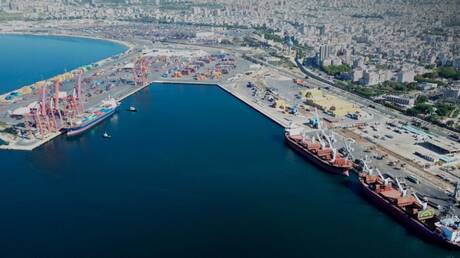
The Strait of Hormuz is a narrow passage that connects the Persian Gulf with the Gulf of Oman, through which approximately 20% of the world's oil passes. The geopolitical implications of this region cannot be overstated; it is a key point of tension in U.S.-Iran relations, and any disruption in this area can lead to significant fluctuations in global oil prices. The U.S. military has maintained a presence in this region to ensure the safe passage of vessels and to deter potential threats from regional adversaries.
Financial Aspects of Military Presence
Trump's remarks on reimbursement highlight a pivotal point in the ongoing debate about the financial burden of U.S. military engagements abroad. Many critics argue that countries benefiting from U.S. military protection should contribute financially to these operations. In his statements, Trump suggested that nations that rely on the security provided by the U.S. Navy in the Strait of Hormuz should share the costs, making it clear that he believes the current arrangement is unsustainable for American taxpayers.
Reactions from Political Figures
The former president's comments have drawn a mixed response from political leaders across the spectrum. Supporters praise his straightforward approach to foreign policy, arguing that it is time for allies to step up and share the financial responsibilities of maintaining global security. On the other hand, critics claim that such a stance could undermine long-standing alliances and lead to increased tensions in an already volatile region.
Impact on U.S. Foreign Policy
Trump's advocacy for reimbursement could signal a shift in U.S. foreign policy, as it raises questions about the future of military alliances and the financial dynamics of global security. The U.S. has historically been seen as a protector of shipping routes and a stabilizing force in the Middle East. However, if reimbursement becomes a sticking point, it might compel the U.S. to reconsider its military footprint in the region.
Conclusion
The discussion surrounding Trump's call for reimbursement is part of a broader narrative about the financial viability of U.S. military engagements worldwide. As the global landscape evolves and new challenges emerge, the manner in which the U.S. approaches its military commitments will likely continue to be a topic of significant debate. The future of U.S. presence in the Strait of Hormuz and the implications for international oil markets remain to be seen.
→Trump insists the U.S. should be reimbursed for its security efforts in the Strait of Hormuz.
→The Strait of Hormuz is vital for global oil shipments and U.S.-Iran relations.
ملاحظة تحريرية | Editorial Note: نُشر هذا المقال في الأصل بواسطة خبر - ترند. خبر (Khabr) هي منصة إعلامية أردنية مرخّصة تعمل بالذكاء الاصطناعي. نضيف قيمة تحريرية من خلال: تحليل ذكي للأخبار، ملخصات تلقائية، رواية صوتية بالذكاء الاصطناعي، ترجمة متعددة اللغات، وتدقيق الحقائق. هدفنا جعل الأخبار أكثر وضوحاً وسهولةً للقارئ العربي.
This article was originally published by خبر - ترند. Khabr is a licensed Jordanian AI-powered news platform (Registration #82086). We add editorial value through: AI-powered news analysis, automated summaries, AI audio narration, multi-language translation (Arabic, English, French, Turkish), and AI fact-checking. Our mission is to make news more accessible and understandable for Arabic-speaking audiences worldwide.