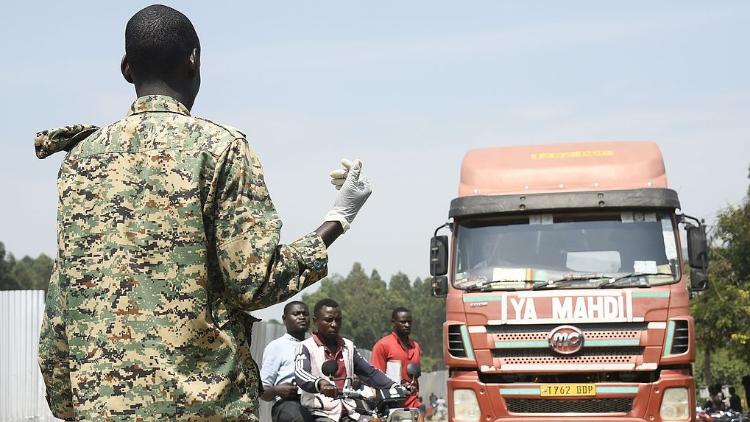
Heightened alert over Ebola cases in the Democratic Republic of the Congo has turned attention to a crucial but vulnerable group in East Africa’s transport network: long-distance truck drivers.
Thousands of cargo trucks continue to depart daily from the Kenyan capital, Nairobi, for destinations across the region, including Uganda, Rwanda, South Sudan and the DR Congo.
Drivers at a major logistics hub in the city have already introduced health protocols to help prevent the potential spread of the disease. Similar measures have been implemented at border crossings across the region.
"We no longer shake hands… we do fist bumps or just wave," said Stephen Kihima, a truck driver. He added that drivers have also adjusted their daily habits to reduce the risk of infection during their journeys.
Authorities in Kenya and neighboring countries have introduced temperature checks, health screenings and awareness campaigns at border crossings. Experts say informed drivers can help slow the spread of the deadly disease, while regional health officials emphasize the need for continued training and monitoring.
With cargo still moving across borders, truck drivers are increasingly being seen as part of the region’s first line of defense against Ebola transmission.