ALBAWABA - Following his acceptance of a ceasefire with Lebanon supported by US President Donald Trump, Israeli Prime Minister Benjamin Netanyahu is coming under increasing heat from within Israel.
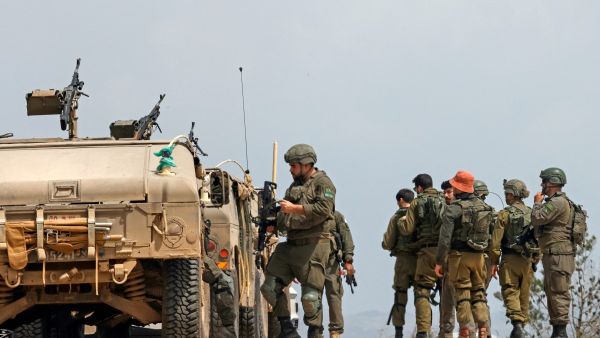
Strong resistance to the decision has been expressed by leaders of northern Israeli towns, who are frustrated by what they see as a lack of long-term security guarantees. The administration was criticized by several authorities of not providing sufficient protection for people who live close to the Lebanese border.
Local officials cautioned that the truce might only bring about short-term peace rather than a long-term resolution to persistent security issues.
Political Responses
Opposition leaders have questioned the agreement's efficacy and capacity to address underlying dangers, extending the critique into Israel's political arena.
A number of MPs contended that any truce would remain precarious and would result in new escalation if security threats were not eliminated.
Discussion about Strategy
According to analysts, the pushback reveals wider disagreements inside Israel over how to handle the crisis, especially between those who prefer diplomatic approaches and those who call for ongoing military pressure.
Persistent Tensions
Concerns that short-term accords could not stop future conflicts, particularly in regions near the Lebanese border, are at the heart of the dispute, which coincides with ongoing regional instability.