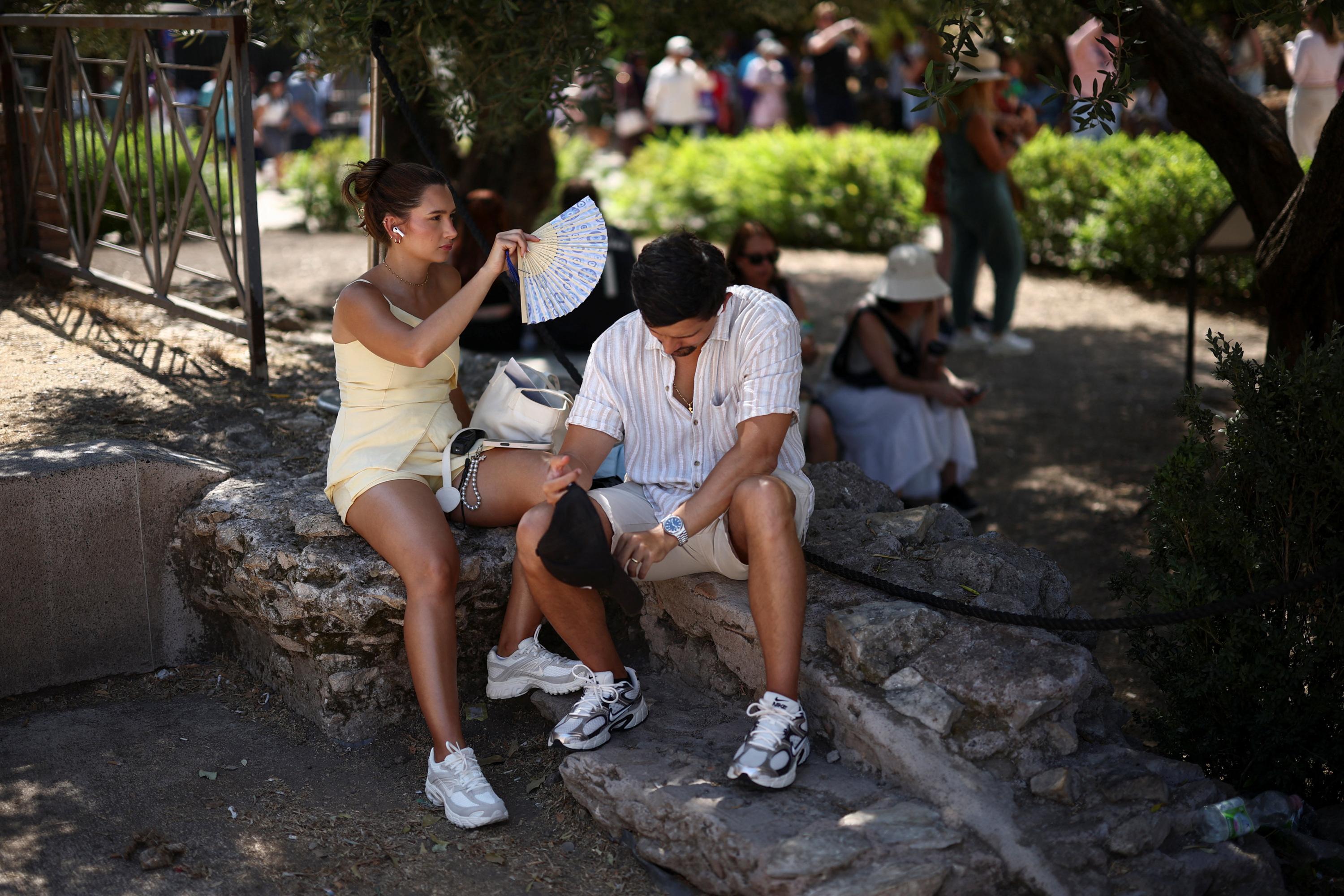
Three Lives Lost in Grand Canyon Heat Wave
In a tragic event that highlights the dangers of outdoor activities during extreme weather, three hikers have died at the Grand Canyon after succumbing to heat exposure. This incident has raised alarms among park officials and local authorities, who emphasize the importance of safety during the ongoing heat wave affecting the region.
Heat Wave Conditions
The Grand Canyon, a popular destination for hikers and nature enthusiasts, has recently experienced unprecedented high temperatures that have reached dangerously elevated levels. Reports indicate that temperatures soared above 110 degrees Fahrenheit in some areas of the park, making conditions perilous for those unprepared for such intense heat.
Authorities Respond
Park rangers were alerted when the hikers failed to return from their planned excursion. Search and rescue teams were deployed swiftly, but unfortunately, they discovered the hikers in a state of distress. Despite immediate medical attention, the extreme heat had already taken its toll. This incident serves as a grim reminder of the potential dangers associated with hiking in high temperatures.
Safety Precautions for Hikers
Officials urge all visitors to take additional precautions while exploring the Grand Canyon. Essential safety measures include staying hydrated, taking frequent breaks in shaded areas, and avoiding strenuous activities during the hottest parts of the day. Hikers are encouraged to check the weather forecast and to be aware of their physical limits.
Ongoing Awareness Campaigns
In response to this tragic occurrence, the National Park Service is ramping up its awareness campaigns regarding heat-related illnesses. They have issued warnings about the risks of heat exhaustion and heat stroke, which can occur rapidly under such conditions. Education about the signs and symptoms of these illnesses is crucial for the safety of all visitors.
Community Reaction
The news of the hikers’ deaths has deeply affected the local community and the hiking fraternity. Many outdoor enthusiasts are expressing their condolences and sharing their own experiences with the heat, emphasizing the necessity of preparation and respect for nature’s elements. Local hiking groups are now promoting more robust safety messages, reinforcing the crucial role of planning and vigilance while hiking.
Conclusion
This tragic event at the Grand Canyon serves as a stark reminder of the risks associated with outdoor activities, particularly during extreme weather conditions. As temperatures continue to rise across the United States, it is vital for hikers and outdoor adventurers to remain informed and prepared to ensure their safety and the safety of others. The Grand Canyon remains a breathtaking destination, but it is essential for all visitors to heed safety warnings and respect the power of nature.