'There were letters I didn't want to open': Rise in unpaid debt court cases
•'There were letters I didn't want to open': Rise in unpaid debt court cases8 minutes agoShareSaveAdd as preferred on GoogleColletta Smith & Elaine DoranYour Voice correspondent and...
•He was issued a County Court Judgement (CCJ), a legal document forcing him to pay his energy supplier what he owed.
•Mark is one of a rising number of people who have faced court action over unpaid debts.
هذا الخبر من BBC Business. خبر يقدم أدوات ذكاء اصطناعي للتلخيص والترجمة والاستماع.
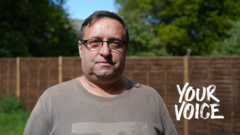
'There were letters I didn't want to open': Rise in unpaid debt court cases8 minutes agoShareSaveAdd as preferred on GoogleColletta Smith & Elaine DoranYour Voice correspondent and producerAnn Gannon/BBCMark Sumner got into more than £2,000 of debt when his energy bills jumped from £80 a month to £220, leaving him scared to look at letters coming through his door. He was issued a County Court Judgement (CCJ), a legal document forcing him to pay his energy supplier what he owed. Mark is one of a rising number of people who have faced court action over unpaid debts. In the first quarter of this year 270,537 new CCJs were registered - up 17.5% on the same period last year, data from the Registry Trust suggests. That increase comes against a backdrop of rising energy debt. Across all energy companies in Britain debt has reached a record high of more than £4.5bn.Mark is a single dad living with his two teenage sons, 17 and 15 near Redditch. He had been struggling to keep on top of household bills for a number of years - but things came to a head 18 months ago when the amount they were paying for energy soared over the space of a few months."The energy bills definitely pushed us over the edge," Mark says. He started to fear letters coming through the door. "I didn't want to look at [the letters] because you could tell by the front of the envelope exactly who it might be."When he eventually received the CCJ he says it felt "horrible" and "quite scary".Mark was using a credit card to cover some everyday spending and started to use a food bank. Eventually he sold his family home to pay off what he owed.The family is now in social housing and with the help of a local charity is in better financial shape. But he worries about the impact of the war in Iran pushing up energy prices in the coming months."When's it ever going to end?" he says. "We can't just keep going and going and going. &qu...المصدر: BBC Business | Source: BBC Business
ملاحظة تحريرية | Editorial Note: نُشر هذا المقال في الأصل بواسطة BBC Business. خبر (Khabr) هي منصة إعلامية أردنية مرخّصة تعمل بالذكاء الاصطناعي. نضيف قيمة تحريرية من خلال: تحليل ذكي للأخبار، ملخصات تلقائية، رواية صوتية بالذكاء الاصطناعي، ترجمة متعددة اللغات، وتدقيق الحقائق. هدفنا جعل الأخبار أكثر وضوحاً وسهولةً للقارئ العربي.
This article was originally published by BBC Business. Khabr is a licensed Jordanian AI-powered news platform (Registration #82086). We add editorial value through: AI-powered news analysis, automated summaries, AI audio narration, multi-language translation (Arabic, English, French, Turkish), and AI fact-checking. Our mission is to make news more accessible and understandable for Arabic-speaking audiences worldwide.