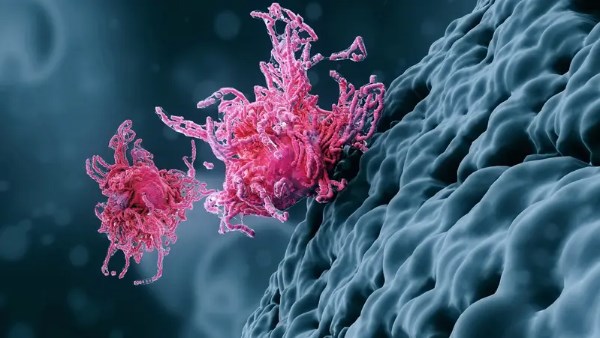
Right now, any mention of viruses is likely to spark panic. The emergence of the deadly hantavirus on a cruise ship has triggered all the worst memories of the early stages of the Covid pandemic, just as the global health community is reacting to a new outbreak of ebola. So let me take this opportunity to stand up for viruses – or rather, to flag a type of virus that could be the solution to one of the biggest medical challenges of our age, not another horror story.
Enter bacteriophages – phages for short and Greek for “bacteria eaters”. They are “our enemies’ enemy”: viruses that kill bacterial infections. In a world where antibiotic resistance is threatening modern medicine as we know it – contributing to more than 35,000 deaths each year in the UK alone – we need all the help we can get. Could these friendly viruses be the answer?
In The Friendly Virus, the science journalist Marnie Chesterton’s mission to find out takes her across Europe, visiting a therapy centre in Tbilisi (where she learns that research was halted at end the of the Cold War because “Soviet science” was deemed inferior to the antibiotics developed in the West) to a lab in Paris investigating how to turn this century-old technology into cutting-edge medical treatments. The lofty heights of bacteriophages’ potential, as espoused by the scientists glued to their Petri dishes, are offset by a more earthy trip to Dudley Zoo to see if the snow leopards and giraffes there can help with production. Phages are found anywhere there is bacteria – and animal excrement is an abundant source. Incidentally, so is sewage. Truly, this is a radio programme that will make you feel optimistic about things that would normally induce rage and despair.
Of course, there are caveats. Widespread phage therapy perennially seems to be a decade away (one of the major issues is money; you can’t patent a virus), and there’s no such thing as a miracle cure. But with human trials beginning in the UK, maybe there’s a good news story on the horizon. We’re surely due one, aren’t we?
[Further reading: Krapp’s Last Tape’s endless returns]