The Rise of Arab Billionaires
In recent years, Arab billionaires have dominated headlines not just for their vast wealth, but for the incredible stories behind how they amassed their fortunes. With a collective net worth surpassing $400 billion, these business magnates have reshaped industries and left a significant mark on the global economy.
A Timeline of Success
While many paths to wealth diverge, several key figures stand out in the Arab billionaire landscape:
-
Mohammed bin Rashid Al Maktoum (Dubai - Net Worth: $14 Billion)
As the Vice President and Prime Minister of the UAE, Sheikh Mohammed launched Dubai's transformation into a global hub in the early 2000s, thanks to massive investments in tourism, aviation, and real estate.
-
Aliko Dangote (Nigeria - Net Worth: $13.9 Billion)
Though based in Nigeria, Dangote's roots trace back to an Arab heritage. His cement empire began in the late 1970s and has since expanded into various sectors, including sugar and flour.
-
Nassef Sawiris (Egypt - Net Worth: $8.6 Billion)
As a scion of one of Egypt's wealthiest families, Sawiris transformed his family's construction business into a global player through strategic investments and expansions into the telecommunications sector.
-
Majid Al Futtaim (UAE - Net Worth: $8.5 Billion)
Starting with a single shopping mall in 1992, Al Futtaim revolutionized retail in the region and created a multi-billion dollar enterprise, which owns Carrefour supermarkets across the Middle East.
Key Industries Driving Wealth
The wealth of these billionaires often stems from strategic investments in booming sectors. Here are some key industries that have significantly contributed to their fortunes:
- Real Estate: Cities like Dubai and Abu Dhabi have seen unprecedented growth in real estate, driving profits for developers and investors.
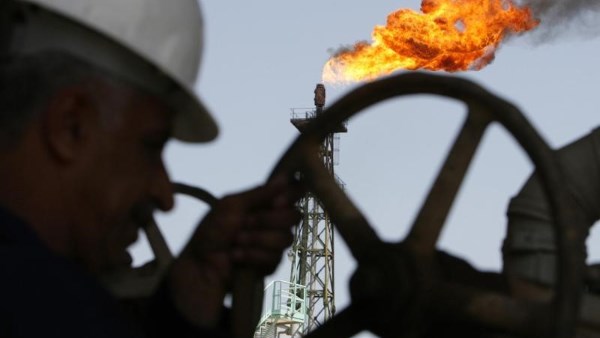
- Energy: The oil and gas industry continues to be a cornerstone of wealth creation in the Arab world.
- Finance: The financial sector has produced hundreds of millionaires, with banking and investment firms leading the way.
- Technology: Increasingly, billionaires are investing in tech startups and innovation hubs, signaling a shift from traditional industries.
Surprising Facts
Delving deeper into their stories reveals unexpected facts:
- Many Arab billionaires invest heavily in philanthropy, with some pledging significant portions of their wealth to social causes.
- Despite their vast fortunes, several billionaires maintain a modest lifestyle, choosing to live relatively privately compared to their Western counterparts.
- A growing number of Arab billionaires are under 40, showcasing a new generation of entrepreneurs reshaping the economic landscape.
The Future of Arab Billionaires
As the world continues to evolve, so do the strategies of these billionaires. They are increasingly diversifying their portfolios and seeking innovation, especially in technology and sustainable investments, solidifying their status as key players on the global stage.
Today, the stories of the richest Arab billionaires are not just tales of extreme wealth but also serve as a source of inspiration for budding entrepreneurs across the globe. Their journeys remind us that with vision, determination, and a little bit of luck, fortunes can be made and legacies created.