The Saudis are flirting with Iran but Britain cannot afford to look away
•In 1975, the Helsinki Accords helped freeze the Cold War in place.
•Both sides accepted Europe's borders, shook hands and went home.
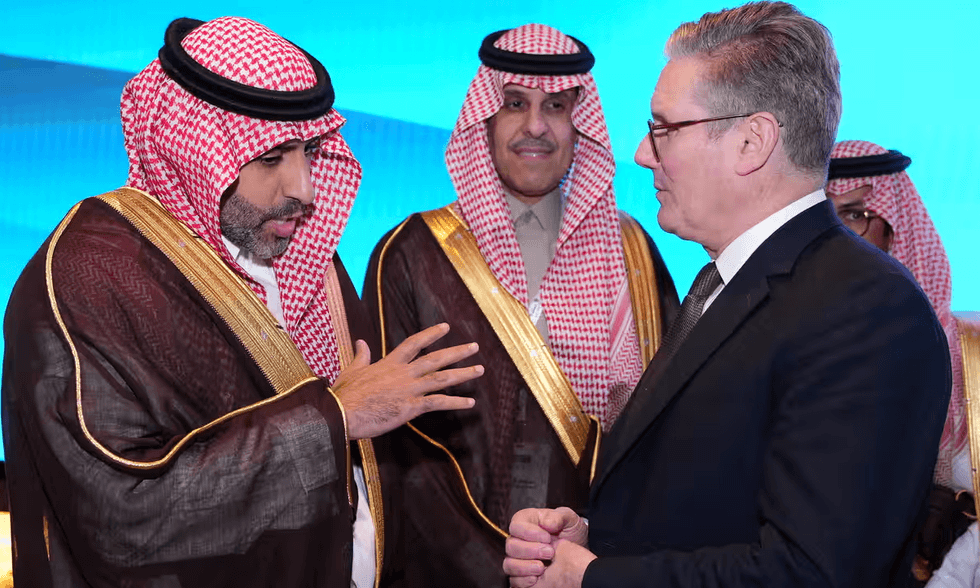
•There are reports Saudi Arabia now wants to borrow that script for the Middle East, signing a regional non-aggression pact with Tehran.
هذا الخبر من GB News. خبر يقدم أدوات ذكاء اصطناعي للتلخيص والترجمة والاستماع.
المصدر: GB News | Source: GB NewsIn 1975, the Helsinki Accords helped freeze the Cold War in place. Both sides accepted Europe's borders, shook hands and went home.
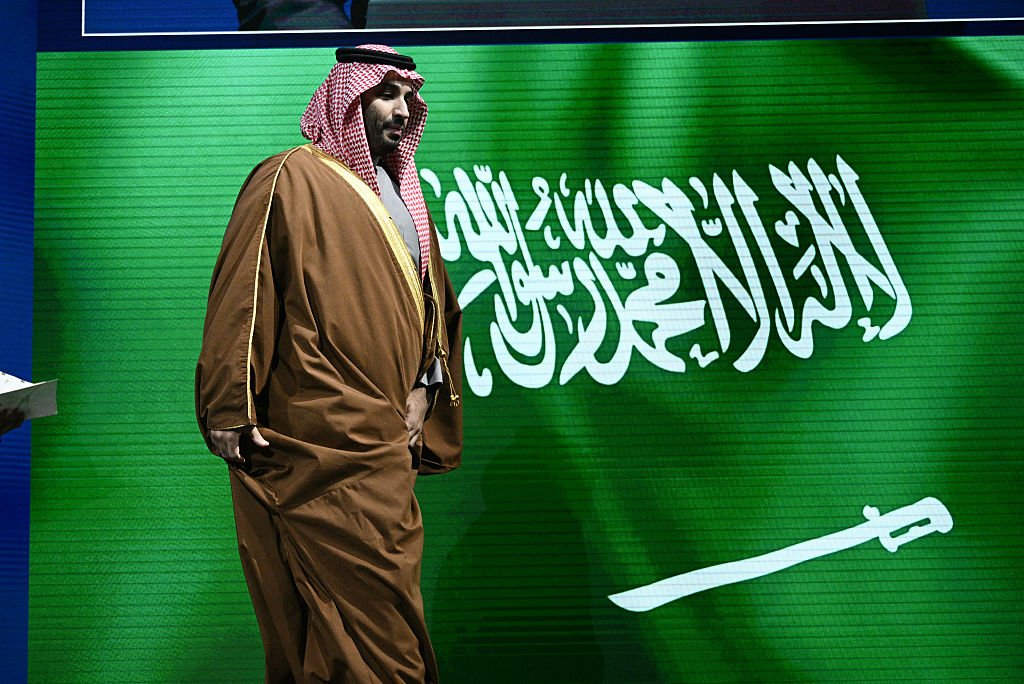
There are reports Saudi Arabia now wants to borrow that script for the Middle East, signing a regional non-aggression pact with Tehran. However, there is a problem.
The Soviet Union, for all its menace, was a rational state you could conceivably do business with. The Islamic Republic's Revolutionary Guard is not.
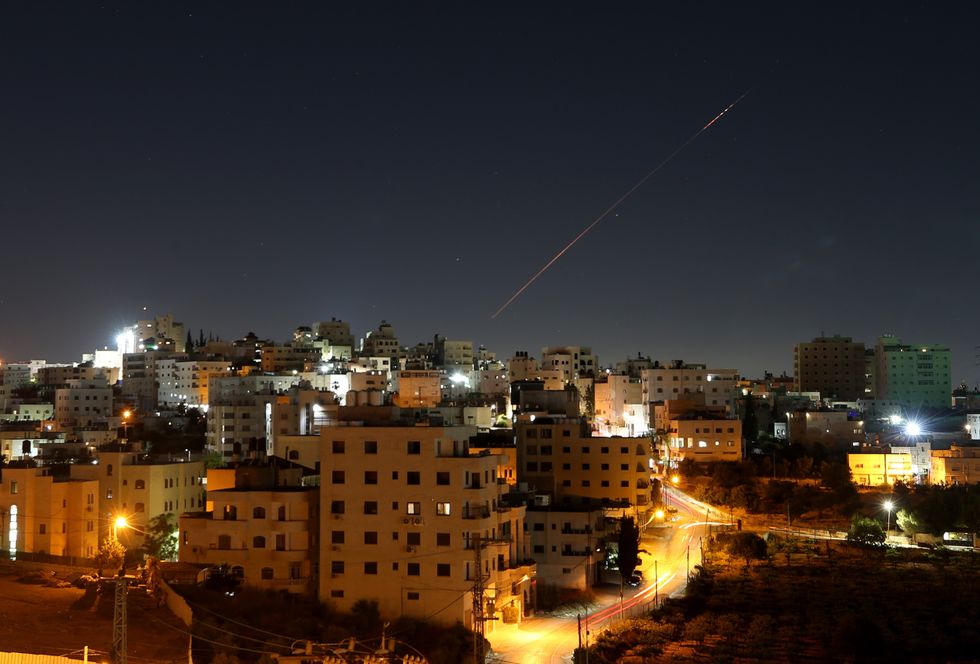
Even as Tehran suspends its talks with Washington, fires more rockets at Israel, and continually threatens to block the Strait of Hormuz, the Saudis still fancy themselves as peacemakers. You would have to be an optimist of heroic proportions to take that bet.
TRENDINGStoriesVideosYour SayThis is the realignment Hamas wanted. The October 7 massacre was not only an act of slaughter; it was a strategic move to derail the normalisation between Israel and Saudi Arabia. Two and a half years on, that process has all but stopped.
By last summer, barely one per cent of Saudis still backed normalising with Israel. Rather than join Israel and the United Arab Emirates in the Abraham Accords, Saudi Arabia is drifting towards accommodation with the Ayatollah.
The UAE has chosen the opposite road: hardening against Iran, drawing closer to Israel, and doubling down on the open, commercial, broadly secular model that has made it the success story of the Gulf.
Two visions of the Arab future are now pulling apart. One looks outward to trade and tolerance, while the other makes its peace with a theocracy that funds terror from Gaza to Lebanon.
Why should a Briton care which one wins? Because what happens in the Gulf does not stay in the Gulf.
Saudi Arabia's cautious opening under “Vision 2030” was one of the more hopeful stories of the last decade. A pact with Tehran rewards the hardliners and signals the modernising project is reversible.
And we know what the alternative to modernisation in Saudi Arabia looks like. For decades, Saudi money pumped a hardline, Wahhabi strain of Islam into British mosques, schools and prisons. This radicalised generations of young Muslims and pushed them away from the idea they could and should be part of the British story by assimilating into our way of life.
We are still living with the consequences: the weekend pro-Palestine marches that shut our city centres, the university campus protests that glorify the murder of Jews, and a Prevent programme the Government's own review caught looking the wrong way, with barely one referral in six aimed at the Islamism that dominates MI5's caseload.
LATEST DEVELOPMENTS
- Trump administration warns Keir Starmer against imposing social media ban on millions of Britons
- Iran and Israel announce end of strikes against each other after Donald Trump's intervention
- 'Chagos is NOT for sale!' Donald Trump handed direct warning from Islands' First Minister amid plans to 'buy' territory
So Britain is not a spectator here. Our political class should stop treating the Middle East as someone else's quarrel.
We have every lever we need: trade, diplomacy, financial incentives and motive. We should use them all to back the UAE's open, secular model over Tehran's and to convince Saudi Arabia a prosperous future for it lies with the Abraham Accords, not the apocalyptic supreme leaders.
Helsinki worked because the West negotiated from strength and never mistook a rival for a friend. The Saudis are about to forget that lesson.
When they relearn it the hard way, as they surely will, the UK should not be standing beside them.
Our Standards: The GB News Editorial Charter
ملاحظة تحريرية | Editorial Note: نُشر هذا المقال في الأصل بواسطة GB News. خبر (Khabr) هي منصة إعلامية أردنية مرخّصة تعمل بالذكاء الاصطناعي. نضيف قيمة تحريرية من خلال: تحليل ذكي للأخبار، ملخصات تلقائية، رواية صوتية بالذكاء الاصطناعي، ترجمة متعددة اللغات، وتدقيق الحقائق. هدفنا جعل الأخبار أكثر وضوحاً وسهولةً للقارئ العربي.
This article was originally published by GB News. Khabr is a licensed Jordanian AI-powered news platform (Registration #82086). We add editorial value through: AI-powered news analysis, automated summaries, AI audio narration, multi-language translation (Arabic, English, French, Turkish), and AI fact-checking. Our mission is to make news more accessible and understandable for Arabic-speaking audiences worldwide.