⚡ عاجل: كريستيانو رونالدو يُتوّج كأفضل لاعب كرة قدم في العالم●⚡ أخبار عاجلة تتابعونها لحظة بلحظة على خبر●⚡ تابعوا آخر المستجدات والأحداث من حول العالم●
AI اقتراحات ذكية
AI مباشر|--مشاهد مباشر
1,038,081مقال401مصدر نشط228قناة مباشرة3,376خبر اليوم
آخر تحديث:منذ 6 ثواني
The ‘intelligent’ era and why connectivity in technology ecosystems is no longer enough
•For more than a decade, the technology industry has been focused on connecting devices.
•Smartphones, wearables, tablets and services have been designed to work together seamlessly, forming the foundation of today’s digital ecosystems.However, a new reality is emerging.
•Connectivity alone is no longer enough.
هذا الخبر من Gulf News. خبر يقدم أدوات ذكاء اصطناعي للتلخيص والترجمة والاستماع.
For more than a decade, the technology industry has been focused on connecting devices. Smartphones, wearables, tablets and services have been designed to work together seamlessly, forming the foundation of today’s digital ecosystems.
However, a new reality is emerging. Connectivity alone is no longer enough. Despite the progress made, many connected experiences still rely heavily on user input. Devices share data, but they do not always interpret it meaningfully. Users remain responsible for managing apps, switching between platforms and making decisions based on fragmented information. The next phase of innovation is the transition from connected systems to ‘intelligent’ ones.
Deloitte’s Tech Trends 2026 report highlights how organisations are increasingly embedding artificial intelligence, connectivity and intelligent integration across platforms. The emphasis is moving beyond linking devices to enabling systems that can understand behaviour, anticipate needs and adapt in real time.
This fundamentally changes how value is defined in technology. The competitive edge is moving from hardware performance and app platforms to what could be described as ‘decision intelligence’; the ability of technology to translate data into meaningful, timely actions.
Expectations are evolving just as quickly. Users increasingly expect their devices to “know” them; to surface relevant insights, simplify decisions and reduce friction across daily routines. This evolution is particularly visible in digitally advanced markets such as the UAE and the wider GCC. With some of the highest smartphone penetration rates globally and rapid adoption of AI-powered services, the region is emerging as a real-world testing ground for intelligent ecosystems.
Ecosystem preferences today
Research from Deloitte Middle East shows that consumers in the UAE and Saudi Arabia are among the fastest adopters of AI-enabled technologies. With 58% already using generative AI tools — and more than half engaging with them weekly — these features are rapidly becoming part of everyday decision-making rather than remaining experimental. As digital services become more embedded in daily life, expectations are shifting toward more personalised and predictive experiences, reshaping how technology companies are evaluated — not just on individual products, but on their ability to deliver cohesive, intelligent platforms.
While smartphones continue to sit at the centre of these ecosystems, their role is also evolving. No longer just devices to call, click and text, they are becoming coordination hubs that aggregate data from multiple sources and enable more intelligent interactions across devices.
At the same time, wearables are emerging as a critical intelligence layer. Once positioned primarily as fitness accessories, these devices are now central to how users monitor and manage their health. By continuously collecting data on activity, sleep and recovery, wearables enable AI-driven systems to identify patterns and translate them into actionable insights.
As more data points are captured across devices, ecosystems gain the ability to build a more holistic understanding of user behaviour. The result is a gradual move from reactive technology to systems that can proactively support decision-making — whether that is suggesting lifestyle adjustments, optimising daily schedules or enhancing productivity.
Experiencing technology differently within modern, intelligent ecosystems
Creativity is also becoming an increasingly important dimension of modern ecosystems. From mobile photography to digital art, these networks are enabling users to create, share and participate in new ways.
This creative layer reflects a broader transition in how technology is experienced. Such are no longer defined solely by efficiency or performance, but by how they support identity, community and cultural engagement.
Industry recognition is also changing. Companies are increasingly assessed not just on the strength of individual devices, but on how effectively they integrate hardware, software and services into a unified experience.
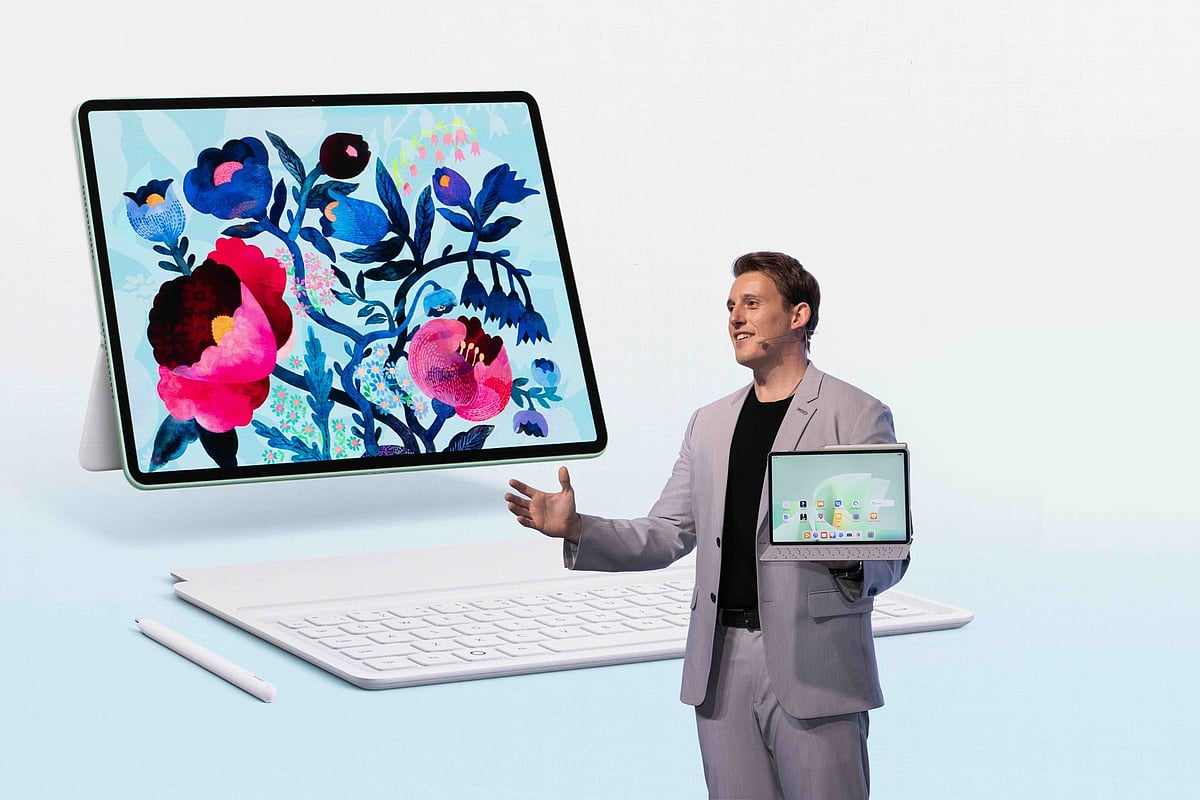
Huawei is among the companies associated with this ecosystem-led approach. In 2025, the brand received industry recognition reflecting its focus on building integrated, cross-device experiences. This direction is reflected in Huawei’s broader portfolio, which brings together smartphones, wearables, tablets, and intelligent services into a unified digital experience designed to move seamlessly across devices and everyday scenarios.
The Huawei Health ecosystem, for example, supports over 70 types of health and fitness data and collaborates with more than 170 research institutions globally, highlighting how data, research and technology are converging to deliver more meaningful user insights. Ranking first globally in the wearable market for two consecutive quarters in 2025 (according to IDC) and having their MatePad series ranking first globally in the tablet market in the third quarter of 2025 (according to Omdia), Huawei continues to grow its presence within these rapidly evolving categories. The brand also built creative platforms such as XMAGE and GoPaint to illustrate how technology networks can support creative expression.
As the technology landscape continues to evolve, the shift toward intelligent ecosystems is likely to accelerate. The next generation of platforms will not simply connect devices, but learn from them — continuously analysing data, adapting to user behaviour and refining experiences over time.
The definition of innovation is also changing. It is no longer enough to build better devices or even more connected ecosystems. The real differentiator will be the ability to create systems that feel intuitive, responsive and increasingly invisible.
In the next phase of technology, it is not the device that defines the experience, but the intelligence of the ecosystem behind it.
ملاحظة تحريرية | Editorial Note:
نُشر هذا المقال في الأصل بواسطة Gulf News.
خبر (Khabr) هي منصة إعلامية أردنية مرخّصة تعمل بالذكاء الاصطناعي.
نضيف قيمة تحريرية من خلال: تحليل ذكي للأخبار، ملخصات تلقائية، رواية صوتية بالذكاء الاصطناعي، ترجمة متعددة اللغات، وتدقيق الحقائق.
هدفنا جعل الأخبار أكثر وضوحاً وسهولةً للقارئ العربي.
This article was originally published by Gulf News.
Khabr is a licensed Jordanian AI-powered news platform (Registration #82086).
We add editorial value through: AI-powered news analysis, automated summaries, AI audio narration, multi-language translation (Arabic, English, French, Turkish), and AI fact-checking.
Our mission is to make news more accessible and understandable for Arabic-speaking audiences worldwide.
هذا الخبر ضمن تغطية خبر لقسم تكنولوجيا.
نقدّم لك تحليلات ذكية وملخصات يومية لأهم الأخبار من مصادر موثوقة متعددة.
المصدر: Gulf News.
يوجد 6 مقالات مرتبطة بهذا الموضوع.
This article is part of Khabr's coverage of Technology.
We provide AI-powered analysis, summaries, and multi-source aggregation to keep you informed.
Source: Gulf News.
Tags: technology, connectivity, ecosystems.
🍪 نستخدم ملفات تعريف الارتباط لتحسين تجربتك وعرض الإعلانات المخصصة. باستخدامك للموقع، فإنك توافق على سياسة ملفات تعريف الارتباط وسياسة الخصوصية.
We use cookies to enhance your experience and show personalized ads. By using this site, you agree to our Cookie Policy and Privacy Policy.
🔍
FREEFree 1GB Internet + Free International Calls
$1 trial — eSIM in 190+ countries — No roaming charges