The Hidden Cost of Viral Food Trends
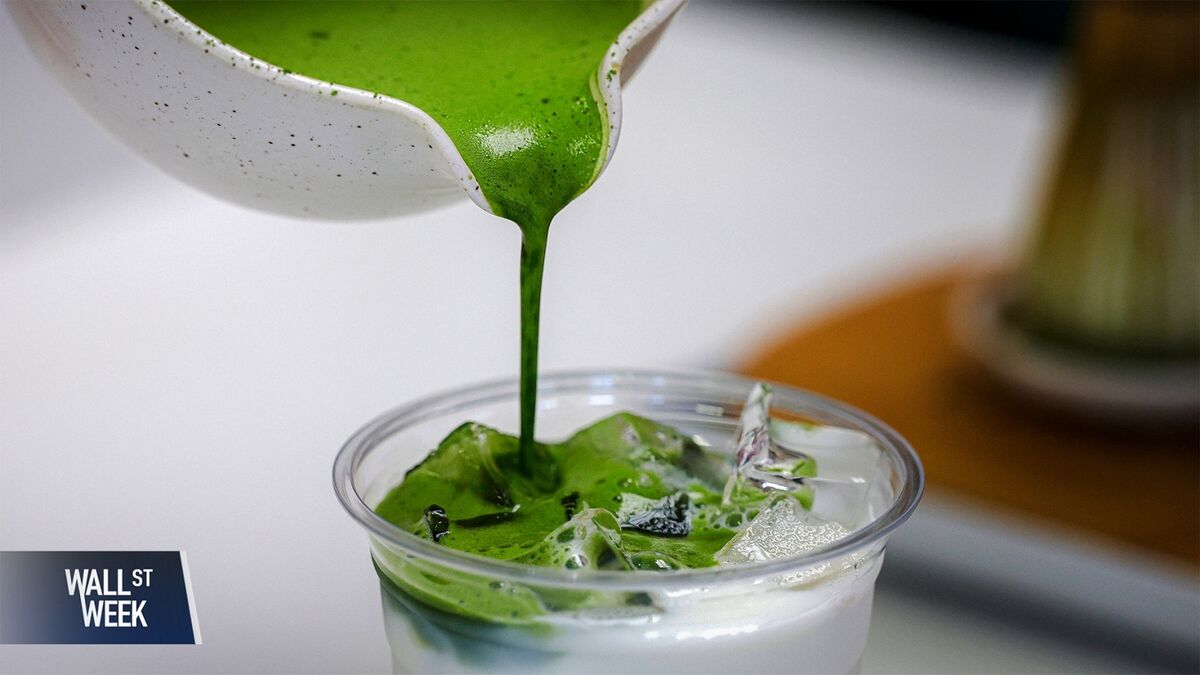
•Social media has turned niche foods into global sensations at unprecedented speed, sending demand for products like matcha, ube, acai and Dubai chocolate far beyond their traditional markets.
•Cornell professor Miguel Gomez says influencers can create demand spikes that supply chains struggle to meet, exposing farmers and producers to volatility and quality risks.
•In matcha, the surge has been especially intense: Matchaful founder Hannah Habes says demand has accelerated so quickly that shortages and rising prices have become hard to avoid, while retailers like...
هذا الخبر من Bloomberg. خبر يقدم أدوات ذكاء اصطناعي للتلخيص والترجمة والاستماع.
ملاحظة تحريرية | Editorial Note: نُشر هذا المقال في الأصل بواسطة Bloomberg. خبر (Khabr) هي منصة إعلامية أردنية مرخّصة تعمل بالذكاء الاصطناعي. نضيف قيمة تحريرية من خلال: تحليل ذكي للأخبار، ملخصات تلقائية، رواية صوتية بالذكاء الاصطناعي، ترجمة متعددة اللغات، وتدقيق الحقائق. هدفنا جعل الأخبار أكثر وضوحاً وسهولةً للقارئ العربي.
This article was originally published by Bloomberg. Khabr is a licensed Jordanian AI-powered news platform (Registration #82086). We add editorial value through: AI-powered news analysis, automated summaries, AI audio narration, multi-language translation (Arabic, English, French, Turkish), and AI fact-checking. Our mission is to make news more accessible and understandable for Arabic-speaking audiences worldwide.