Critics have slammed Labour's under-16s social media ban for excluding vulnerable young people and restricting resources that have been "a lifeline" for many navigating childhood.
Since the announcement on Monday, waves of criticism of the ban have flooded in – criticising the policy for robbing youngsters of educational tools, connectivity with peers and loved ones and stunting their understanding of the growing digital world.
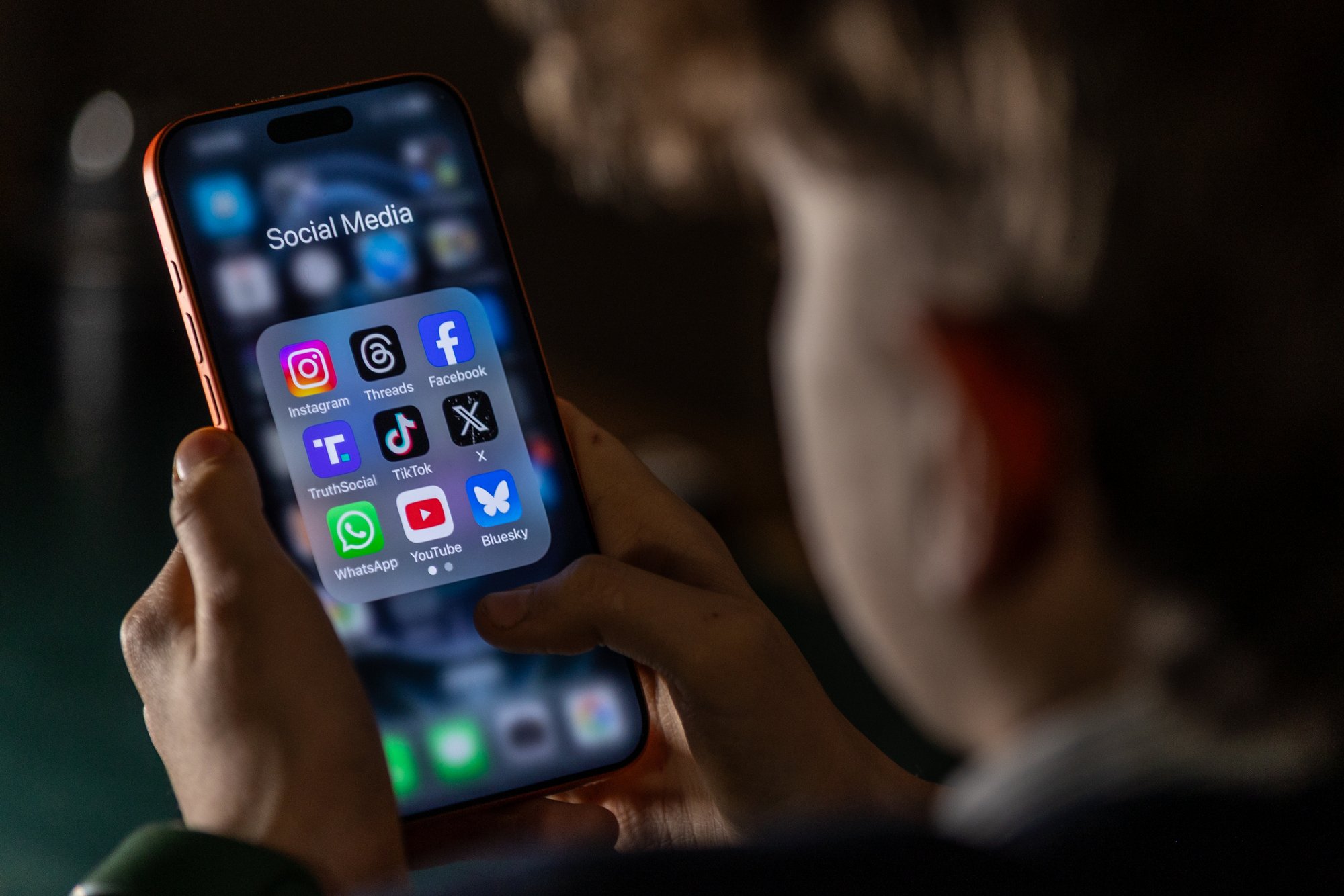
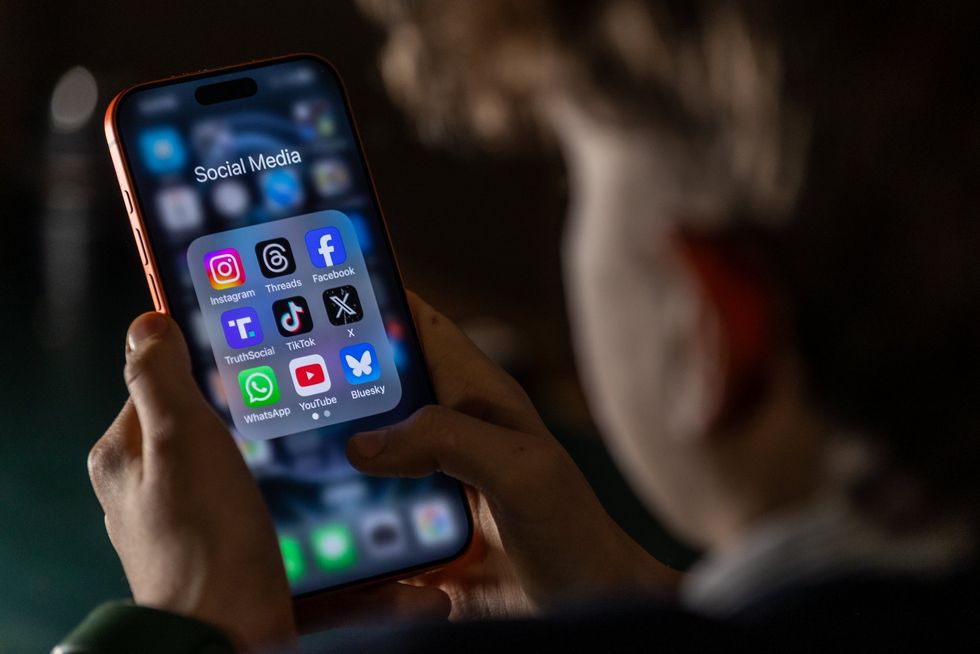
The block is set to restrict the internet usage of more than 12 million people across the UK, enforced by "highly effective age assurance systems", impacting platforms such as TikTok, Instagram, X and YouTube.
One cohort highlighting the harm of the decision is the blind community, with many visually impaired youngsters relying on social media to stay connected, harnessing online communities with shared life experiences.
The Royal Society for Blind Children described to GB News how social media has "been a lifeline" for many of the blind and partially sighted young people they work with.
A spokesman said: "Social media has been their way to connect with others, express themselves, and feel less alone. But online spaces are not always designed with children’s safety, privacy or accessibility in mind.
"While RSBC supports better age appropriate protections and action against the various platforms that are exposing children to harm, we are mindful that this ban risks cutting off vital routes to connection for children who are already too often excluded.
"We are actively looking at ways to counter the impact this could have, by boosting and promoting some of our online clubs and groups as a way to maintain those connections safely, inclusively and accessibly."
Some have argued rather than a flat-out ban, the Government should instead focus on making tech safer for children – which tech companies such as Sayph have already been doing.
Sayph is a phone designed from the ground up for childhood, explicitly for children, with calls and texts, but without social media, app stores or the open internet.
Ben Humphrey, founder of Sayph, told GB News: "Children deserve their own category of technology. While we welcome the announcement, its significance is not whether the age limit should be 16 instead of 13.
"It's that policymakers are finally recognising something many parents have known for years - children need technology designed specifically for childhood."
LATEST DEVELOPMENTS
- Keir Starmer announces social media ban for under-16s as he vows to protect children online
- Tom Harwood shares adorable throwback to teenage YouTube channel as he takes dig at social media ban
- Nigel Farage issues 'back door' digital ID warning as PM confirms social media ban
He described a "false choice" presented to parents – that they either give a child a fully featured adult smartphone or give them no meaningful technology at all.
"Most parents aren't looking to sign their child up to social media," Mr Humphrey added. "They're looking for a safe way to stay in touch as their child starts walking to school, catching the bus, spending time with friends and gaining independence.
"Rather than focusing solely on what age children should gain access to adult online platforms, we should be creating better alternatives designed around children's needs from the outset."
The technology businessman noted whether a child is 13 or 16, many mainstream digital platforms are built to maximise engagement and screen time, rather than support healthy child development.

"Raising the age limit may reduce access, but it only begins to address a much bigger question - what kind of technology do we want children to grow up with?"
Critics of the policy point to the benefits of technology in helping children communicate, explore independence and stay connected with friends and family – possible to maintain without exposing them to algorithm-driven content, social media feeds or the pressures of adult-orientated online platforms.
"That's the category we believe should exist, and the future we believe parents are looking for", Mr Humphrey added.
Research from Cybernews analysed Reddit discussions related to age verification bypassing between May 2025 and April 2026, as well as VPN download trends in the UK.
They discovered a staggering 460 per cent surge in comments about bypass techniques, right after the UK Online Safety Act’s age verification measure came into effect on July 25, 2025.
There was also a sharp increase in VPN downloads in the UK that August, with more than two million downloads, with monthly installations mostly remaining above one million in the months that followed.
Aras Nazarovas, senior information security researcher at Cybernews, told the People's Channel: “It looks like age verification laws are not stopping determined users from accessing restricted content.
"As long as these methods remain so privacy-invasive while bypass techniques remain widely accessible, these laws are unlikely to achieve their intended effect regardless."
Britain's News Channel has approached the Department for Science, Innovation and Technology for comment.
Our Standards: The GB News Editorial Charter