The doctor in your phone may not be a doctor: How medicine is losing the information war
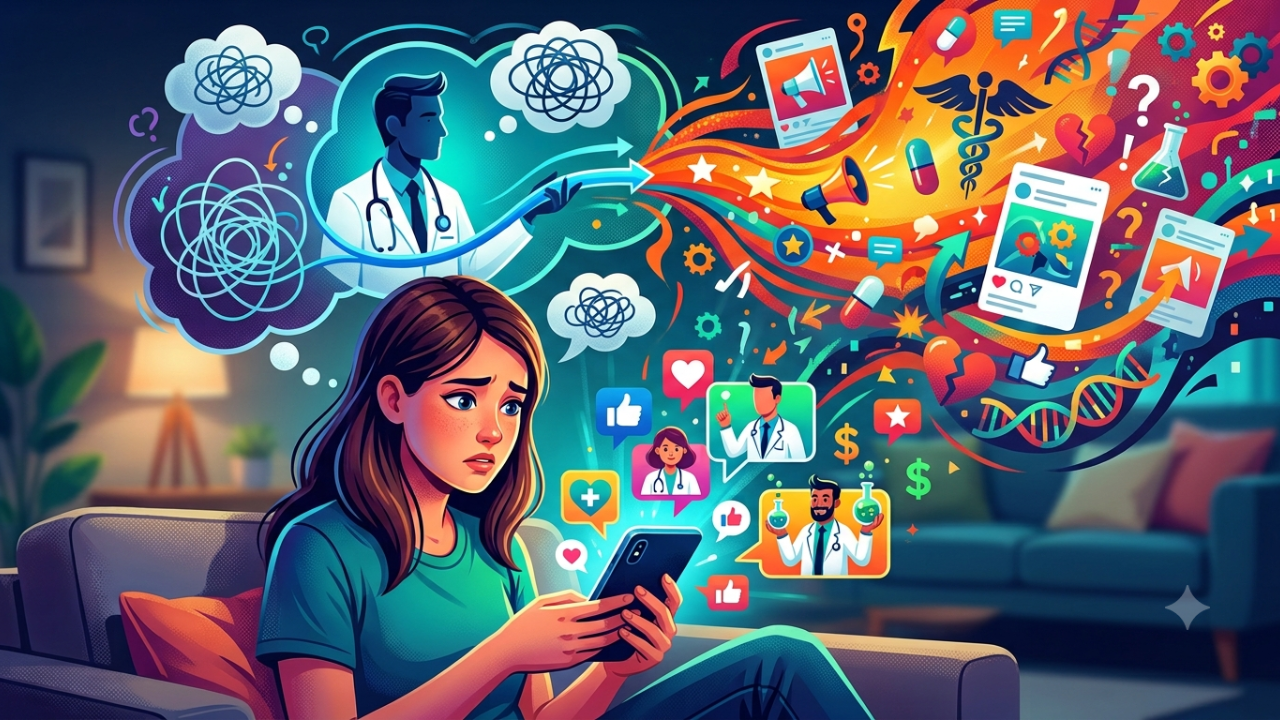
•Many Americans now seek health advice from social media influencers and podcasts.
•These sources often lack medical credentials, and users find them convenient but not accurate.
•Global studies reveal influencers frequently omit health screening test risks and downsides.
هذا الخبر من Times of India. خبر يقدم أدوات ذكاء اصطناعي للتلخيص والترجمة والاستماع.
Many Americans now seek health advice from social media influencers and podcasts. These sources often lack medical credentials, and users find them convenient but not accurate. Global studies reveal influencers frequently omit health screening test risks and downsides. Social media algorithms amplify misinformation due to emotional appeal and engagement metrics. AI models also struggle to distinguish fabricated health advice from legitimate medical guidance.المصدر: Times of India | Source: Times of India
ملاحظة تحريرية | Editorial Note: نُشر هذا المقال في الأصل بواسطة Times of India. خبر (Khabr) هي منصة إعلامية أردنية مرخّصة تعمل بالذكاء الاصطناعي. نضيف قيمة تحريرية من خلال: تحليل ذكي للأخبار، ملخصات تلقائية، رواية صوتية بالذكاء الاصطناعي، ترجمة متعددة اللغات، وتدقيق الحقائق. هدفنا جعل الأخبار أكثر وضوحاً وسهولةً للقارئ العربي.
This article was originally published by Times of India. Khabr is a licensed Jordanian AI-powered news platform (Registration #82086). We add editorial value through: AI-powered news analysis, automated summaries, AI audio narration, multi-language translation (Arabic, English, French, Turkish), and AI fact-checking. Our mission is to make news more accessible and understandable for Arabic-speaking audiences worldwide.