UAE Reports Missile Launches from Iran
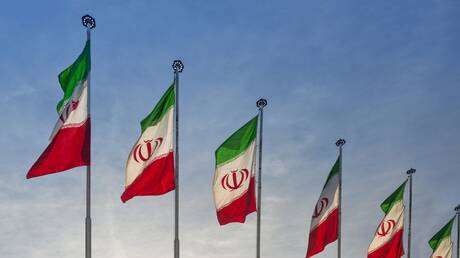
In a significant escalation in the ongoing tensions in the Middle East, the United Arab Emirates (UAE) has confirmed that two missiles detected earlier this week were launched from Iran. This announcement comes amidst heightened concerns over regional security and the potential implications for diplomatic relations in the Gulf region.
The UAE's defense ministry stated that the missiles were intercepted before they could reach their intended targets, but the incident has sparked alarm among neighboring countries and international observers. The detection of these missiles further underscores the volatility in the region, which has been the epicenter of various conflicts, including those involving proxy wars and military confrontations.
Context and Background
Relations between Iran and several Gulf states, including the UAE, have been fraught with tension for decades, primarily due to Iran's nuclear ambitions and its support for militant groups across the region. The UAE, along with other nations, has expressed concerns about Iran's influence and military capabilities, particularly in the wake of its missile and drone programs, which have been linked to aggressive actions against regional adversaries.
The recent missile incident raises questions about Iran's military strategy and its willingness to engage in direct confrontation with its neighbors. While Iran has consistently denied any aggressive intentions, the launch of missiles targeting the UAE illustrates a troubling shift in regional dynamics, prompting calls for increased vigilance and preparedness among Gulf states.
International Response to the Missile Launch
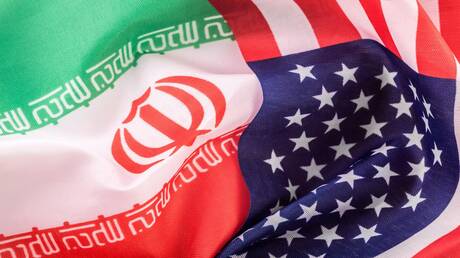
In response to this incident, the international community, including the United States, has reiterated its commitment to ensuring the security of its allies in the Gulf. Officials have condemned the missile launch as a provocative act that threatens stability in an already unstable region. The U.S. has a military presence in the area and has pledged to assist the UAE in enhancing its defense capabilities to counter any potential threats from Iran.
This incident also highlights the ongoing complexities of the Iran nuclear deal negotiations, which have stalled amid accusations of Iran's non-compliance with previous agreements. The missile launch could further complicate diplomatic efforts, as countries grapple with how to respond to Iran's military posturing without escalating tensions into open conflict.
The Future of UAE-Iran Relations
As the situation unfolds, analysts predict that the relationship between the UAE and Iran will remain strained. The UAE's recent participation in the Abraham Accords, normalizing relations with Israel, reflects a broader shift in alliances in the region aimed at countering Iranian influence.
It is essential for regional leaders to engage in dialogue and seek diplomatic solutions to mitigate the risk of further military confrontations. With tensions on the rise, the world watches closely as both the UAE and Iran navigate this precarious situation, balancing national security interests with the potential for increased conflict.
Ultimately, the recent missile launches serve as a stark reminder of the fragile state of peace in the Middle East. With the possibility of further provocations looming, it is crucial for all parties involved to prioritize dialogue and diplomacy over aggression to ensure a stable and secure future in the region.