Tehran selling deal with US as victory – but for Iranians it was necessity
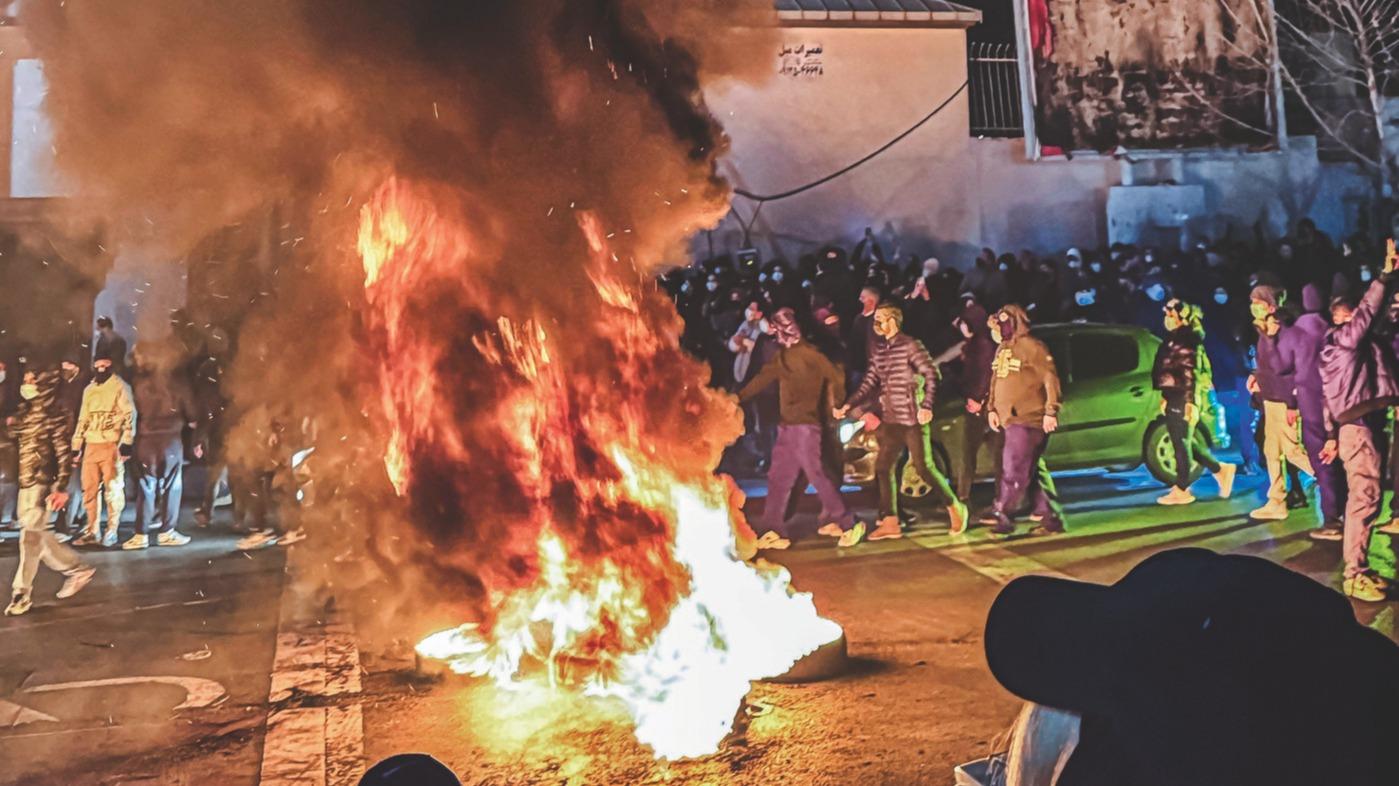
Tehran selling deal with US as victory – but for Iranians it was necessity8 minutes agoShareSaveAdd as preferred on GoogleAmir AzimiSenior News Editor – Persian ServiceReutersIran's leadership is trying to present its emerging memorandum of understanding (MoU) with the US not as a retreat, but as the result of resistance and victory. That is not an easy argument to make. The country has just gone through a damaging war, the economy is under severe pressure, and parts of the Islamic Republic's own support base have spent months denouncing any compromise with Washington. There are also Iranians, both inside the country and abroad, who see the crisis not as a moment for diplomacy, but as an opportunity for regime change.This is the divided political landscape in which Tehran is now trying to sell the deal.Iran deal presents political nightmare for NetanyahuBowen: Iran deal ends Trump's war that revealed limit of US dominanceSenior Iranian officials have framed the deal as a win. Mohammad Bagher Qalibaf, the Speaker of parliament and the leading Iranian figure in the talks, said Iran had taken "a long step towards final victory".President Masoud Pezeshkian has described the understanding as potentially transformative, saying that if fully implemented it could resolve many of Iran's problems and create "a different world" in Iran and the Middle East.Qalibaf's role is significant because he is not identified with Pezeshkian's moderate camp; his public support suggests the deal has backing from more powerful parts of the system even within Islamic Republic Revolutionary Guards.The leadership is also presenting the agreement as a victory because, in Tehran's argument, the US and Israel failed to achieve their main objectives.They did not force Iran into surrender, did not remove the Islamic Republic from power, did not end Iran's nuclear programme through military action, and did not break Iran's links to Hezb...المصدر: BBC الشرق الأوسط | Source: BBC الشرق الأوسط
ملاحظة تحريرية | Editorial Note: نُشر هذا المقال في الأصل بواسطة BBC الشرق الأوسط. خبر (Khabr) هي منصة إعلامية أردنية مرخّصة تعمل بالذكاء الاصطناعي. نضيف قيمة تحريرية من خلال: تحليل ذكي للأخبار، ملخصات تلقائية، رواية صوتية بالذكاء الاصطناعي، ترجمة متعددة اللغات، وتدقيق الحقائق. هدفنا جعل الأخبار أكثر وضوحاً وسهولةً للقارئ العربي.
This article was originally published by BBC الشرق الأوسط. Khabr is a licensed Jordanian AI-powered news platform (Registration #82086). We add editorial value through: AI-powered news analysis, automated summaries, AI audio narration, multi-language translation (Arabic, English, French, Turkish), and AI fact-checking. Our mission is to make news more accessible and understandable for Arabic-speaking audiences worldwide.