A new annual review has revealed that secondary school boys aged 11 to 14 are failing to progress beyond reading material designed for primary pupils.
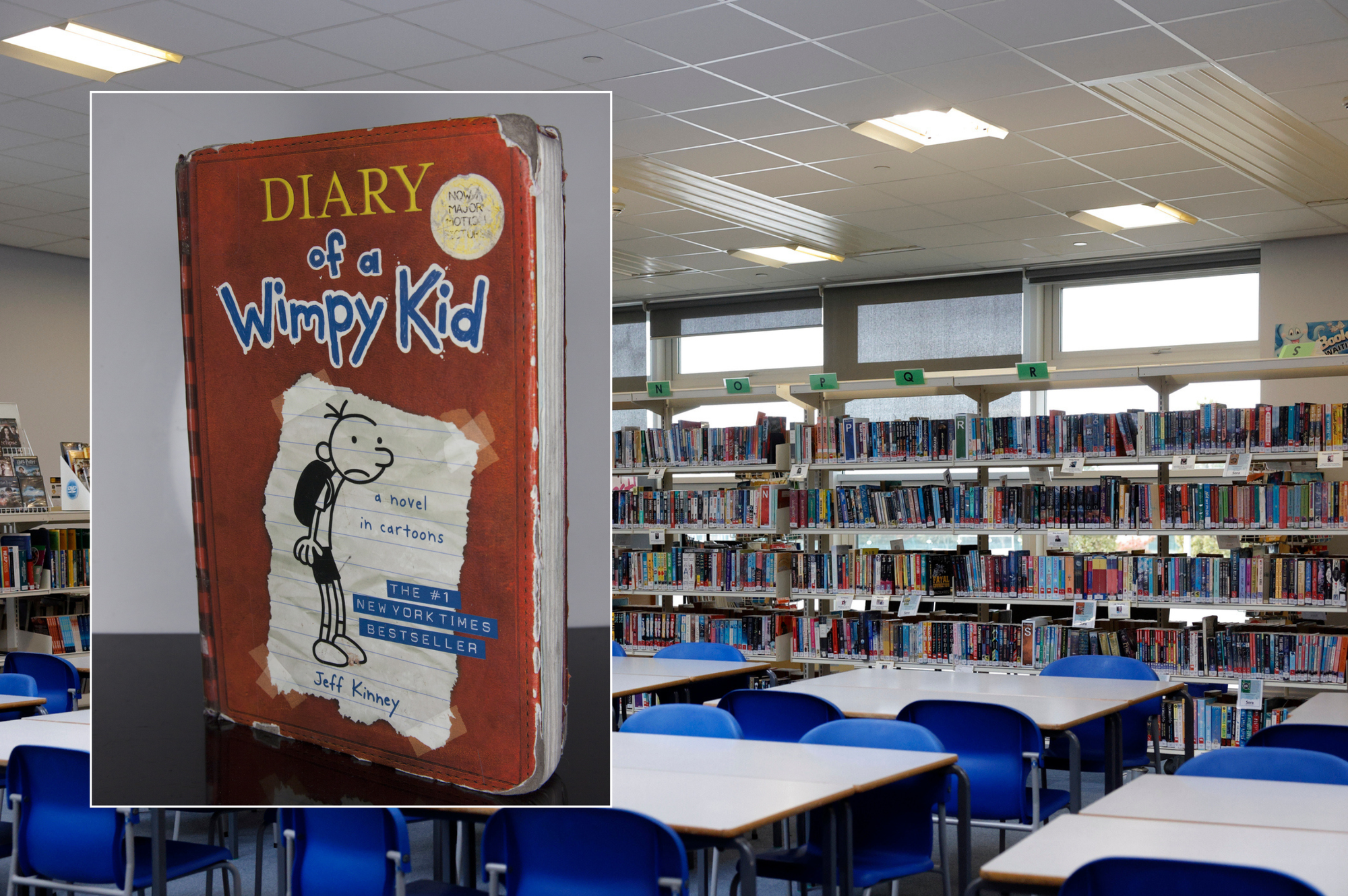
The What Kids Are Reading report, released today, found that Jeff Kinney's Diary of a Wimpy Kid series dominates the reading choices of boys in Years 7 to 9, occupying eight positions in their top ten most-read titles.
The remaining two spots went to The Hunger Games and Harry Potter and the Philosopher's Stone.
Renaissance, the educational assessment provider behind the 18th edition of this annual study, tracked 23 million books read by close to 1.1 million children across the UK and Ireland during 2024-25.
The contrast with female readers of the same age is stark.
Girls have transitioned to young adult fiction.
They favoured titles such as Alice Oseman's Heartstopper, Holly Jackson's A Good Girl's Guide to Murder, and Katie Kirby's Lottie Brooks series, alongside The Hunger Games and Harry Potter.
The Wimpy Kid books are written for readers aged eight and above.

They are based on the misadventures of Greg Heffley, a lazy schoolboy whose attempts to achieve popularity typically end in comedic failure.
The series now comprises 21 main titles, a spin-off featuring Greg's friend Rowley, and film adaptations.
At the primary level, the pattern is even more pronounced, with Wimpy Kid accounting for nine of the top 10 books read by boys in Years 3 to 6.
Bernadetta Brzyska, head of research at Renaissance, said the findings demonstrated that engagement matters more than reading volume alone.
LATEST DEVELOPMENTS:
- Schools across Britain to shut down and commuters urged to avoid railways amid severe heat warning
- Britain’s smallest primary school to shut for good as council issues devastating statement
- Parents left furious after children escape from Send primary school using 'hole in fence'

She said: "Children read best when they read what they love, and that is the thread running through this year's report.
"The task it sets for schools is twofold to keep widening what boys are offered so they don't stall on a single series and trust children's own choices, because the books they pick are the ones they finish and understand."
She emphasised that popular series serve a purpose in attracting reluctant readers, but schools must consider how to move pupils toward more demanding texts.
Martin Galway, head of professional learning and partnerships at the National Literacy Trust, described the widening gap in secondary schools as "a clear call to action."

Mr Galway said: "Too many young people are 'stuck' or disengaging from reading altogether, often because they have not yet found books that feel relevant, accessible or inspiring."
The Department for Education's national year of reading campaign, run jointly with the National Literacy Trust, has identified teenage boys as the demographic requiring the most support.
Research from the National Literacy Trust shows that by ages 14 to 16, under 10 per cent of boys read daily compared with 18 per cent of girls.
A YouGov survey of 1,013 teachers in February revealed that just 28 per cent of secondary schools dedicate at least 15 minutes daily to reading, versus 62 per cent of primary schools.
Our Standards: The GB News Editorial Charter