⚡ عاجل: كريستيانو رونالدو يُتوّج كأفضل لاعب كرة قدم في العالم●⚡ أخبار عاجلة تتابعونها لحظة بلحظة على خبر●⚡ تابعوا آخر المستجدات والأحداث من حول العالم●
AI اقتراحات ذكية
AI مباشر|--مشاهد مباشر
844,856مقال403مصدر نشط224قناة مباشرة4,872خبر اليوم
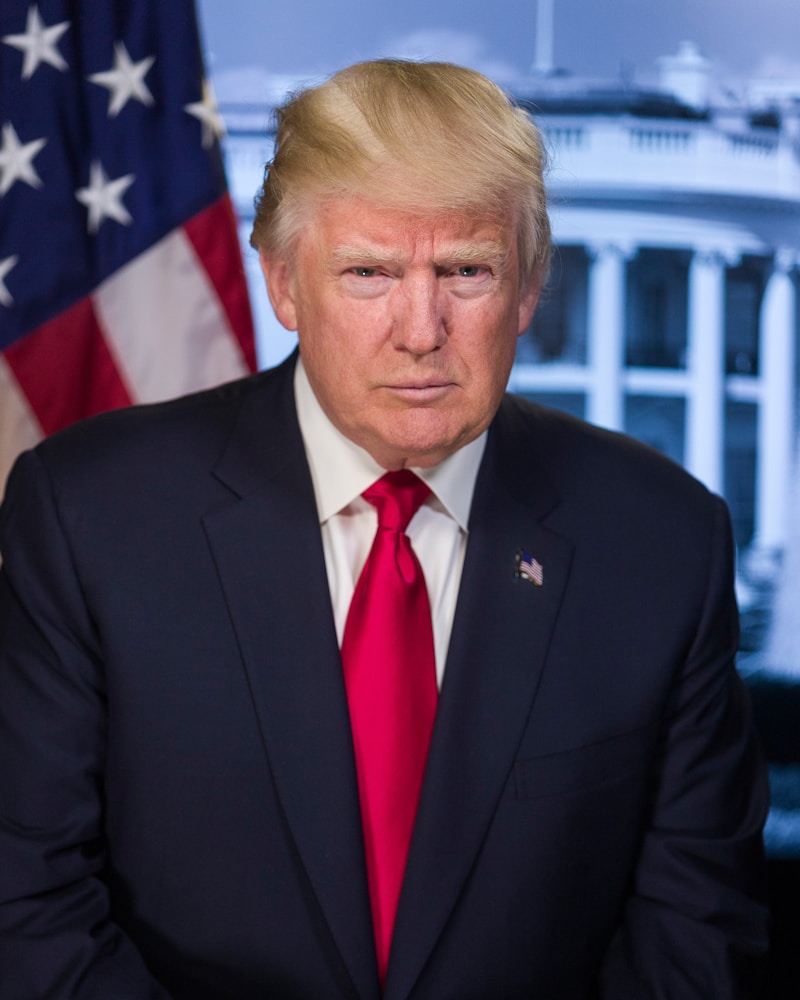
IT has been a roller-coaster week with President Donald Trump talking of a peace deal with Iran and issuing ultimatums of military escalation in the same breath. Hopes that he might be looking for an off-ramp were raised when he postponed threatened attacks on Iran’s power plants and claimed US officials were in talks with Iranian counterparts that were progressing well.
When news emerged of Pakistan playing go-between, the possibility gained ground of a diplomatic path out of the crisis. Prime Minister Shehbaz Sharif’s offer to host talks catapulted Pakistan to the centre of diplomatic efforts and suggested serious behind-the-scenes activity aimed at de-escalation that was also coordinated with Turkiye and Egypt. That President Trump and army chief Field Marshal Asim Munir spoke on the phone before Islamabad’s public offer underlined Pakistan’s emergence as the key intermediary.
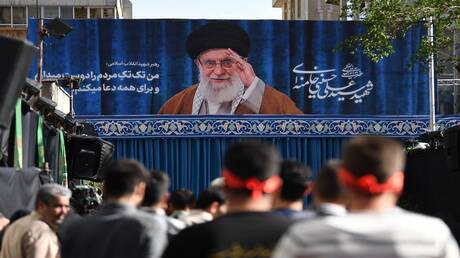
But there was no indication from Tehran that talks were imminent. Iran’s parliamentary speaker Mohammad-Bagher Ghalibaf signalled Tehran wasn’t yet ready for negotiations. He said optimism about talks “is being used to manipulate the financial and oil markets and escape the quagmire in which the US and Israel are trapped”. An Iranian military spokesman accused Trump of “negotiating with himself”.
Uncertainty reigns over the possibility of talks with the positions of the two sides being so far apart. Messages exchanged through an intermediary allow both sides to test the seriousness of the other and scope out future engagement but cannot be deemed negotiations. Meanwhile, there has been no let-up in US and Israeli attacks on Iran while Iran’s retaliatory strikes have continued on US bases and other targets in Gulf countries. More ominously, thousands of American marines and army paratroopers are heading for deployment in the Persian Gulf. With Trump refusing to rule out putting US troops on the ground, speculation grew about potential American plans to seize Kharg Island, Iran’s main oil export terminal. Reports of Trump weighing that option reinforced the mixed signals from Washington.
Whichever way the war ends it has changed the strategic equation in the Middle East.
Whether America’s talk-and-fight signalling was simultaneously aimed at calming the oil market while mounting pressure on Iran, it reflected Trump’s increasingly chaotic diplomacy. His claims he had won the war and “achieved regime change” was characteristic bluster but also an effort to build a ‘face-saving’ narrative to help craft an exit from the war. The US sent a 15-point ‘peace plan’ to Tehran through Pakistan, also suggesting Islamabad as a venue for negotiations. But the proposal is a list of demands that seeks Iran’s surrender.
A US official was quoted as saying Trump “is serious about negotiating from gunboats”. But that doesn’t rule out talks being a ruse by him to buy time and prepare to take the conflict to another level by putting ground troops in place to establish a beachhead along Iran’s coastline on the Strait of Hormuz. Twice before, earlier this year and in April 2025, talks were used as a smokescreen for US-Israeli military attacks on Iran launched in the midst of negotiations. Referring to this, an official Iranian spokesman said its past negotiating experience had been “disastrous”.
Tehran rejected the 15-point US proposal saying its demands were “excessive and unreasonable”. Instead, it put forward its own five points for ending the conflict. They were: guarantees that war will not be re-imposed on Iran, an end to war “across all fronts” and for all resistance groups, halt to aggression and assassinations, recognition of Iran’s sovereignty over the Strait of Hormuz and payment of war reparations. Believing it has the upper hand, Iran signalled it will not go back to the pre-war status quo.
Both sides have put forward maximalist positions. This leaves room open for talks even if the two are more far apart than they were before the war. It is hard to say how diplomacy will fare in the absence of trust and especially given Trump’s unpredictability. What then is likely to happen in the weeks and months ahead? Three scenarios can be posited. Two have unstable outcomes while a third scenario can arguably produce stability.
The first is that the US and Israel are able to deliver a decisive blow and achieve regime collapse or regime change with a weakened Iran unable to pose any threat. But that doesn’t produce stability. It is instructive to recall the experience in Afghanistan and Iraq where ouster of governments led to prolonged conflict and ultimately US departure. This time too resistance, chaos and violence can ensue which reverberate across the region to produce prolonged instability. There is little likelihood of this scenario materialising.
The second scenario is of protracted conflict in the absence of a political settlement to end the war. There may be transient pauses in fighting but hostilities keep erupting with Iran maintaining its grip on the Strait of Hormuz and sustaining its capability to launch retaliatory strikes on Gulf states. This keeps the global oil market in a state of prolonged turmoil, disrupting the supply chain of other commodities and resulting in a global recession. The International Energy Agency has already described the present situation as “the largest supply disruption in the history of the global oil market”. In this scenario, the disruption would worsen, plunge the global economy into chaos and threaten global food security. This situation could last for months, even longer.
The third and best-case scenario is a comprehensive agreement between the US and Iran through negotiations, which includes a guarantee of no further attacks on Iran by the US and Israel. This would involve Iran making nuclear concessions to Washington similar to those it offered in the Oman-mediated talks. Both sides can then claim they got what they wanted. Over time, Iran and the Gulf states would have to come to a modus vivendi even if trust takes far longer to rebuild. This scenario is the hardest to achieve as no party would want to be seen as losing at the negotiating table. But it is the only one that can lead to stability. The spoiler in this scenario is Israel, so unless the tail that has been wagging the dog is controlled, the region is in for prolonged conflict.
Whichever scenario comes to pass, there can be no return to the status quo ante as the upending of the regional order by the war means the Middle East will never be the same again.
The writer is a former ambassador to the US, UK and UN.
ملاحظة تحريرية | Editorial Note:
نُشر هذا المقال في الأصل بواسطة Dawn.
خبر (Khabr) هي منصة إعلامية أردنية مرخّصة تعمل بالذكاء الاصطناعي.
نضيف قيمة تحريرية من خلال: تحليل ذكي للأخبار، ملخصات تلقائية، رواية صوتية بالذكاء الاصطناعي، ترجمة متعددة اللغات، وتدقيق الحقائق.
هدفنا جعل الأخبار أكثر وضوحاً وسهولةً للقارئ العربي.
This article was originally published by Dawn.
Khabr is a licensed Jordanian AI-powered news platform (Registration #82086).
We add editorial value through: AI-powered news analysis, automated summaries, AI audio narration, multi-language translation (Arabic, English, French, Turkish), and AI fact-checking.
Our mission is to make news more accessible and understandable for Arabic-speaking audiences worldwide.
هذا الخبر ضمن تغطية خبر لقسم سياسة.
نقدّم لك تحليلات ذكية وملخصات يومية لأهم الأخبار من مصادر موثوقة متعددة.
المصدر: Dawn.
يوجد 6 مقالات مرتبطة بهذا الموضوع.
This article is part of Khabr's coverage of Politics.
We provide AI-powered analysis, summaries, and multi-source aggregation to keep you informed.
Source: Dawn.
Tags: talk, escalate, diplomacy.
🍪 نستخدم ملفات تعريف الارتباط لتحسين تجربتك وعرض الإعلانات المخصصة. باستخدامك للموقع، فإنك توافق على سياسة ملفات تعريف الارتباط وسياسة الخصوصية.
We use cookies to enhance your experience and show personalized ads. By using this site, you agree to our Cookie Policy and Privacy Policy.
FREEFree 1GB Internet + Free International Calls
$1 trial — eSIM in 190+ countries — No roaming charges