⚡ عاجل: كريستيانو رونالدو يُتوّج كأفضل لاعب كرة قدم في العالم●⚡ أخبار عاجلة تتابعونها لحظة بلحظة على خبر●⚡ تابعوا آخر المستجدات والأحداث من حول العالم●
AI اقتراحات ذكية
AI مباشر|--مشاهد مباشر
1,066,195مقال401مصدر نشط228قناة مباشرة3,305خبر اليوم
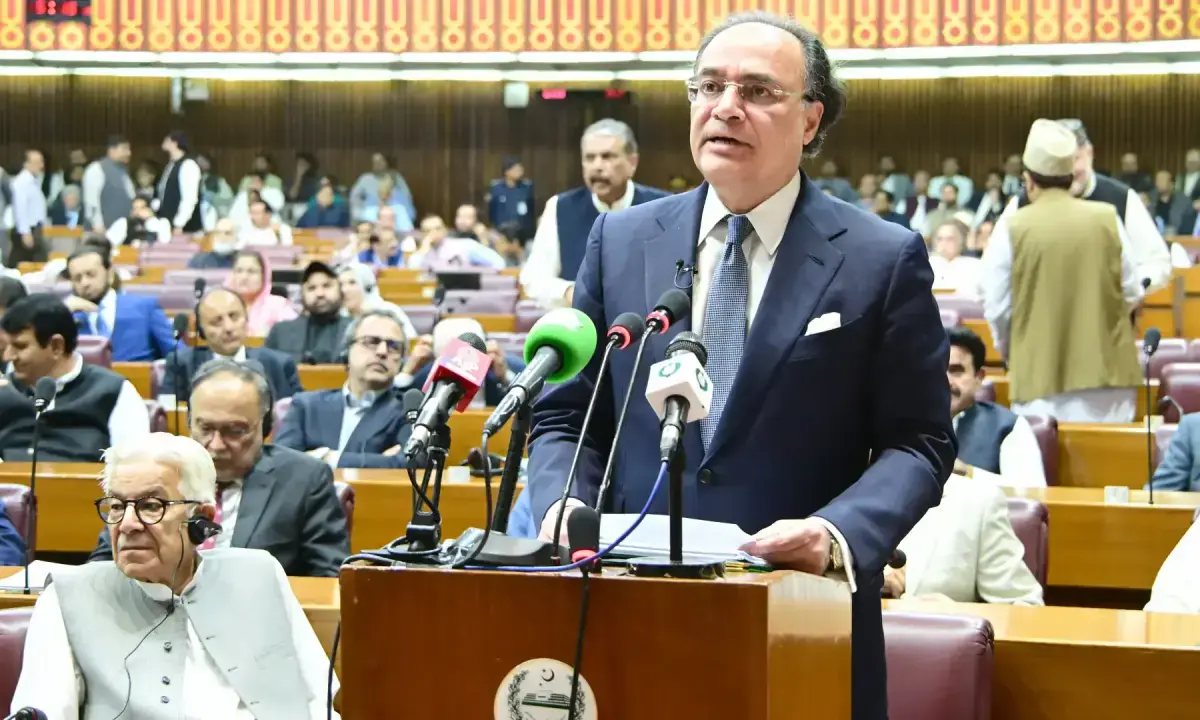
•THE FY27 budget is the first clear signal that the government is ready to transition from stabilisation to growth — without breaching the IMF’s macroeconomic targets.
•After three years of painful austerity and demand compression, the decision to reduce the super tax, introduce a real estate stimulus and offer a scattering of export incentives indicates that the gov...
•The desperation is understandable.
هذا الخبر من Dawn. خبر يقدم أدوات ذكاء اصطناعي للتلخيص والترجمة والاستماع.
THE FY27 budget is the first clear signal that the government is ready to transition from stabilisation to growth — without breaching the IMF’s macroeconomic targets.
After three years of painful austerity and demand compression, the decision to reduce the super tax, introduce a real estate stimulus and offer a scattering of export incentives indicates that the government believes the worst is behind it as it cautiously proceeds to pump moderate growth of 4pc. The desperation is understandable. Stabilisation was necessary but it was never sufficient.
The relief measures are genuine: salaried workers will have more to spend, small and medium business with profits under Rs500m are freed from the super tax, exporters face lower advance minimum income tax, and the real estate and housing sectors have received a significant stimulus package. Together, these measures reveal a government attempting to rebuild consumption, restore private sector confidence and generate visible economic activity. The question, however, is not whether the direction is right. It is whether the path chosen to grow is sustainable.
Growth strategy rests on a historically unreliable foundation. The primary engine of the growth push is real estate: halved property transaction taxes, abolished deemed income tax, Rs71bn in housing subsidies, reduced construction input duties. Pakistan has deployed this lever before under Imran Khan and even earlier. The pattern is invariable: a short construction boom, speculative asset inflation, capital diverted from productive investment, then a bust lasting years. Real estate generates activity. It does not generate exports. Choosing it again is a short-term calculation dressed as growth strategy.
The FBR problem looms the largest. The government has set a revenue target of Rs15.26tr, nearly 18pc growth over the current year, in the same budget where it has reduced tax rates across multiple categories. What if the FBR falls short?
The government faces an uncomfortable choice: cut the PSDP mid-year, seek an IMF exemption on the primary surplus, or introduce a mini-budget. None of these are good options, and all of them have been exercised before. The consolidated deficit conceals more than it reveals.
The federal government has not reduced its own expenditure. Instead, it has extracted Rs1tr from the provinces’ share of the divisible pool, locking this arrangement in until FY29. The provinces are then required to generate a surplus of Rs1.8tr to make the consolidated numbers hold. This is fiscal consolidation by subtraction, not reform.
A centre unwilling to cut its own spending while compelling the provinces to run surpluses is redistributing the pain. The budget is the ‘first trailer’ of growth. The full story, with its difficult second act of energy reform, regulatory overhaul and productivity investment, is yet to be written. Until it is, Pakistan will remain on the road leading from stabilisation to growth — moving but not yet arriving.
ملاحظة تحريرية | Editorial Note:
نُشر هذا المقال في الأصل بواسطة Dawn.
خبر (Khabr) هي منصة إعلامية أردنية مرخّصة تعمل بالذكاء الاصطناعي.
نضيف قيمة تحريرية من خلال: تحليل ذكي للأخبار، ملخصات تلقائية، رواية صوتية بالذكاء الاصطناعي، ترجمة متعددة اللغات، وتدقيق الحقائق.
هدفنا جعل الأخبار أكثر وضوحاً وسهولةً للقارئ العربي.
This article was originally published by Dawn.
Khabr is a licensed Jordanian AI-powered news platform (Registration #82086).
We add editorial value through: AI-powered news analysis, automated summaries, AI audio narration, multi-language translation (Arabic, English, French, Turkish), and AI fact-checking.
Our mission is to make news more accessible and understandable for Arabic-speaking audiences worldwide.
هذا الخبر ضمن تغطية خبر لقسم علوم.
نقدّم لك تحليلات ذكية وملخصات يومية لأهم الأخبار من مصادر موثوقة متعددة.
المصدر: Dawn.
يوجد 6 مقالات مرتبطة بهذا الموضوع.
This article is part of Khabr's coverage of Science.
We provide AI-powered analysis, summaries, and multi-source aggregation to keep you informed.
Source: Dawn.
Tags: sustainability, environment.
🍪 نستخدم ملفات تعريف الارتباط لتحسين تجربتك وعرض الإعلانات المخصصة. باستخدامك للموقع، فإنك توافق على سياسة ملفات تعريف الارتباط وسياسة الخصوصية.
We use cookies to enhance your experience and show personalized ads. By using this site, you agree to our Cookie Policy and Privacy Policy.
🔍
FREEFree 1GB Internet + Free International Calls
$1 trial — eSIM in 190+ countries — No roaming charges