Suspected terror chief allowed to remain in Britain despite losing citizenship bid
•A suspected terror chief has been allowed to stay in Britain, despite losing a recent bid for citizenship.Spooks believe the Iraqi-born man, named in court documents as CT, was researching remote cont...
•He was refused naturalisation by the Home Office after ministers found he had failed the statutory "good character" test.According to court documents seen by GB News, CT first came to the attention of...
•TRENDING Stories Videos Your Say While he recently lost the bit for citizenship, it is understood CT is still in the country.The Security Service alleged he was involved in supporting the insurge...
هذا الخبر من GB News. خبر يقدم أدوات ذكاء اصطناعي للتلخيص والترجمة والاستماع.
المصدر: GB News | Source: GB NewsA suspected terror chief has been allowed to stay in Britain, despite losing a recent bid for citizenship.
Spooks believe the Iraqi-born man, named in court documents as CT, was researching remote controlled cars and helicopters in a possible bid to carry out attacks.
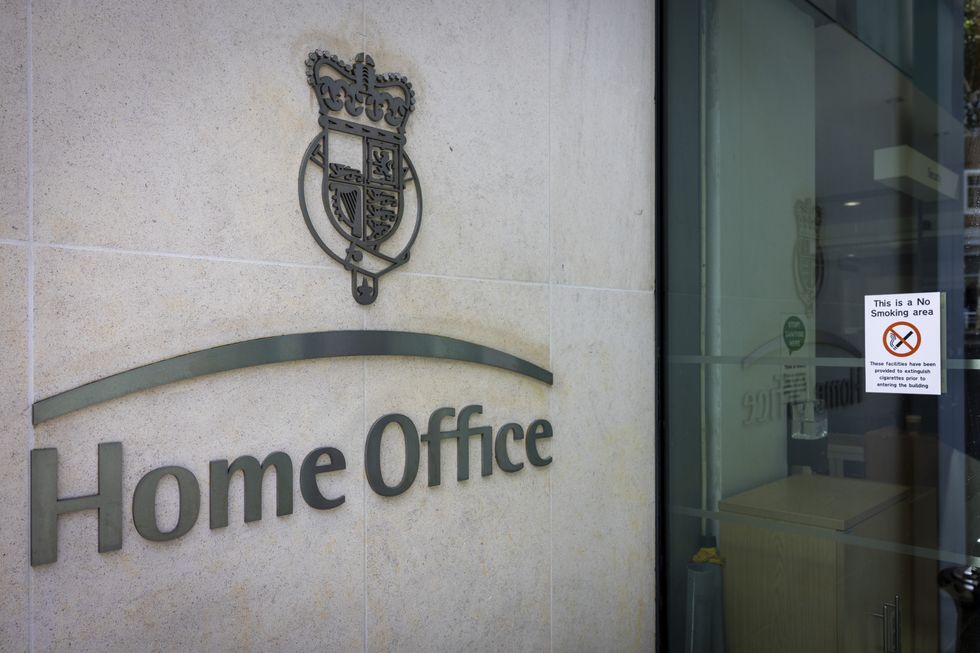
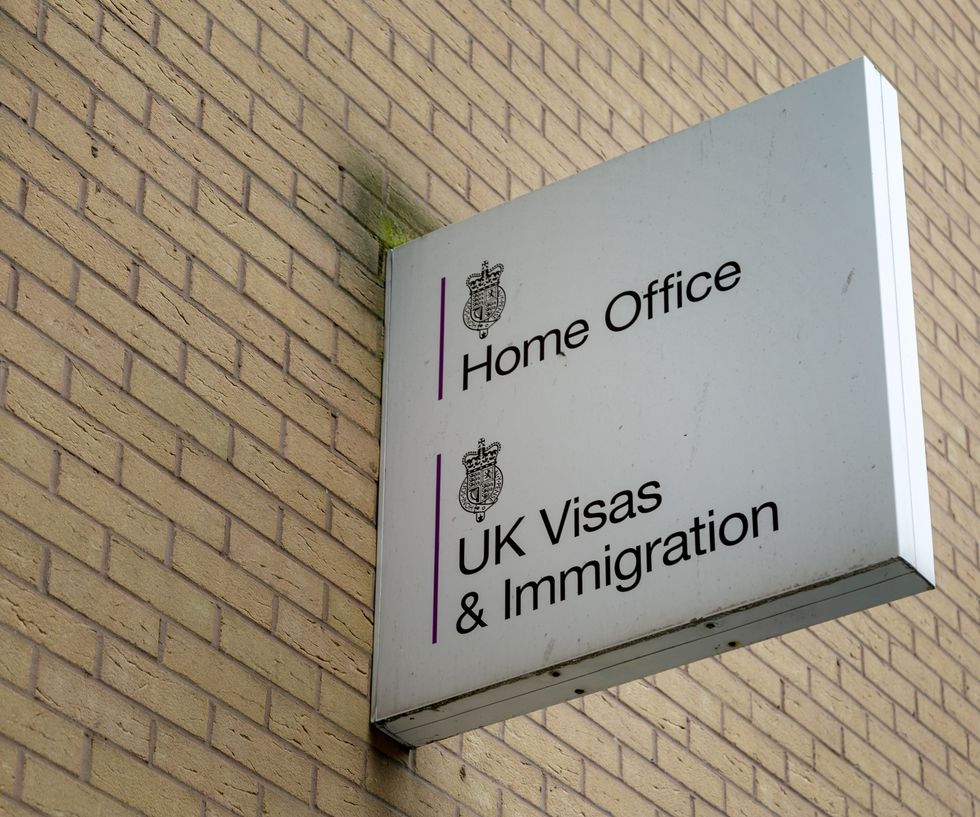
He was refused naturalisation by the Home Office after ministers found he had failed the statutory "good character" test.
According to court documents seen by GB News, CT first came to the attention of the authorities in the mid-2000s.
TRENDINGStoriesVideosYour SayWhile he recently lost the bit for citizenship, it is understood CT is still in the country.
The Security Service alleged he was involved in supporting the insurgency in Iraq, had received terrorist training and was associated with Islamist extremists linked to Ansar al-Islam, which used remote-controlled vehicles to carry out attacks in Iraq.
He was also accused of playing a role in the radicalisation of Muslims in Britain and was described in earlier proceedings as a leading figure within Islamist extremist circles in Peterborough.
He had allegedly preached hate at a local mosque and had criminal links.
According to an earlier judgment quoted by the court, investigators examining material seized from CT's home found evidence of access to websites advertising "remote-controlled helicopters, remote-controlled cars and pinhole cameras".
The same proceedings recorded that a search of his home recovered a large remote-controlled car.
The allegations formed part of a wider intelligence picture relied upon by the authorities when CT was placed under anti-terror control orders.
Throughout all proceedings, CT, who was born in Iraq in 1976, has consistently denied all allegations against him.
LATEST DEVELOPMENTS
- Home Office finally admits staggering true cost of 'Boriswave' migrant flood
- 'Absurd!' More than 150 kebab shops given Home Office licenses to hire migrants from overseas
- Labour to pay British firms £5k per foreign worker while nation's youths battle jobs crisis
In subsequent immigration proceedings, a tribunal judge made a striking observation about the allegations that had underpinned the original case.
The tribunal stated: "From the decision we must conclude that the allegations made against [CT] have no foundation."
By 2021 he had spent many years living in Britain and applied to become a naturalised British citizen, with court documents showing he has five children, three of whom are British citizens.
However, in February this year, the Home Office officially rejected his application for citizenship.
Officials informed CT that he had failed the good-character requirement but said it would not be in the public interest to disclose the reasons behind the decision.
He challenged the refusal before judges at the Special Immigration Appeals Commission (SIAC), the specialist court that hears immigration and nationality cases involving national security, but they have upheld the decision after reviewing national security evidence that remains hidden from both CT and the public.
His lawyers argued there was no proper evidential basis for the decision and said the process had been unfair because he had never been told the case he needed to answer.
They also relied on the earlier tribunal findings, including the conclusion that the allegations against him appeared to have no foundation.
However, the commission rejected all four grounds of challenge, with the judges reviewing both open evidence and a body of closed intelligence material that remains undisclosed.
In its public judgment, SIAC concluded that the Home Secretary's decision had a lawful basis and should stand.
The court also ruled that no further information could safely be disclosed to the press.
As a result, the detailed reasons for refusing CT British citizenship remain contained in a separate closed judgment that neither he nor the public is permitted to see.
The case concerned CT's application for British citizenship rather than his immigration status, which means he is understood to still be living here.
Our Standards: The GB News Editorial Charter

ملاحظة تحريرية | Editorial Note: نُشر هذا المقال في الأصل بواسطة GB News. خبر (Khabr) هي منصة إعلامية أردنية مرخّصة تعمل بالذكاء الاصطناعي. نضيف قيمة تحريرية من خلال: تحليل ذكي للأخبار، ملخصات تلقائية، رواية صوتية بالذكاء الاصطناعي، ترجمة متعددة اللغات، وتدقيق الحقائق. هدفنا جعل الأخبار أكثر وضوحاً وسهولةً للقارئ العربي.
This article was originally published by GB News. Khabr is a licensed Jordanian AI-powered news platform (Registration #82086). We add editorial value through: AI-powered news analysis, automated summaries, AI audio narration, multi-language translation (Arabic, English, French, Turkish), and AI fact-checking. Our mission is to make news more accessible and understandable for Arabic-speaking audiences worldwide.