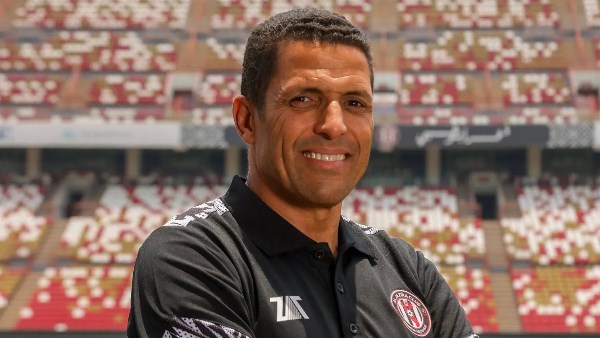
It's not an outright loss, but the Supreme Court on Tuesday dealt the NFL a setback that could affect its preferred way of handling litigation on non-player employment contracts.
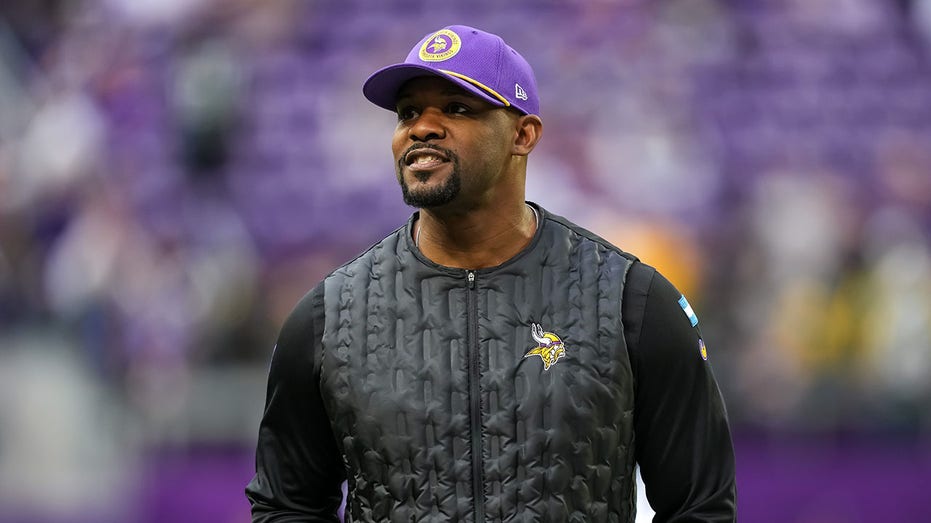
SCOTUS denied the NFL’s appeal of a Circuit Court decision that ruled against the league’s attempt to force a discrimination lawsuit brought by Minnesota Vikings defensive coordinator Brian Flores into arbitration rather than letting it proceed to trial in open court.
The Supreme Court declined to hear the NFL’s appeal, effectively leaving the lower-court ruling in place and allowing the lawsuit to proceed toward discovery and potentially trial in New York federal court. Justice Brett Kavanaugh dissented from the decision not to take the case.
The central legal battle so far has focused on whether the case should be heard publicly in federal court or privately through NFL arbitration overseen by Commissioner Roger Goodell. Last year the Second U.S. Circuit Court of Appeals ruled against the NFL, finding the league’s arbitration structure potentially unfair because Goodell serves as both the league’s chief executive and the arbitrator.
The appeals court said the arrangement amounted to "arbitration in name only" and held that Flores could pursue key discrimination claims in court instead.
So the NFL's appeal in the case brought by coaches Flores, Steve Wilks and Ray Horton allows this case to proceed in court and, perhaps, to be heard in a public trial.
There's more: Although the Supreme Court is not endorsing that the court system is the proper venue for such cases rather than arbitration, future non-player employment lawsuits against the league that would in the past lead to arbitration now may have a path to be heard in New York federal court.
The reaction from both litigants was predictable.
The Flores side is claiming victory.
"We are pleased that the Supreme Court declined to accept the NFL’s appeal," Flores lawyers said in a statement. "The NFL must now accept that its commissioner cannot be the arbitrator over discrimination claims against the league and its teams. We look forward to litigating these claims in court."
NFL'S ROGER GOODELL DEFENDS LEAGUE'S DEI POLICIES, SEES THE BENEFITS
The NFL, meanwhile, vows to fight on.
"We respect the Supreme Court’s decision not to grant review," a league spokesperson said. "Regardless of the forum, we are fully prepared to defend ourselves as this matter proceeds."
This matter just took a step toward a forum in court, but it is nowhere near completion. This could take years to decide.
Flores filed the suit in February 2022, and all that has been resolved so far is whether the case will proceed in court, as Flores wanted, or through arbitration, as the NFL preferred.
This is a long way from being decided on behalf of either party, considering that one of them has already shown a willingness to take an appeal to the highest court in the land.