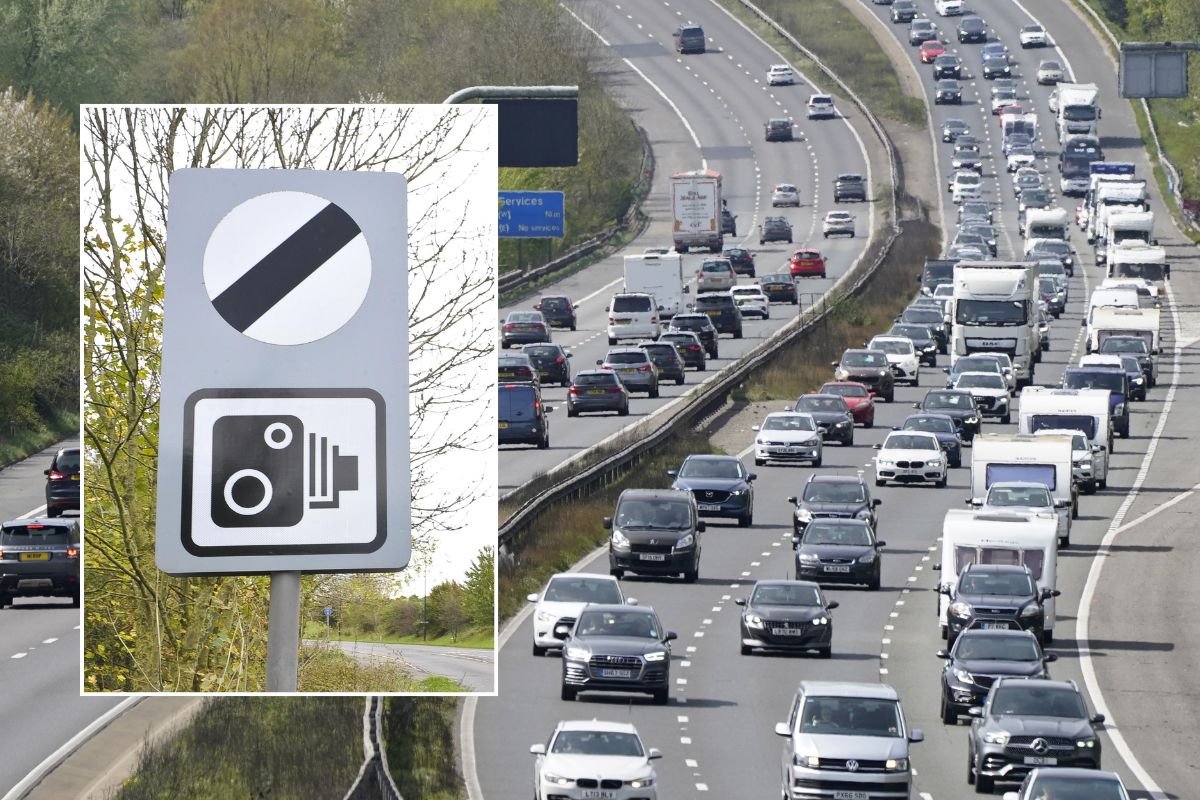
Drivers could soon face lower speed limits across major roads as part of new safety measures being introduced to tackle road casualties.
The Department for Infrastructure in Northern Ireland unveiled plans earlier this year on new speed limit changes, which included increasing speed limits for HGVs.
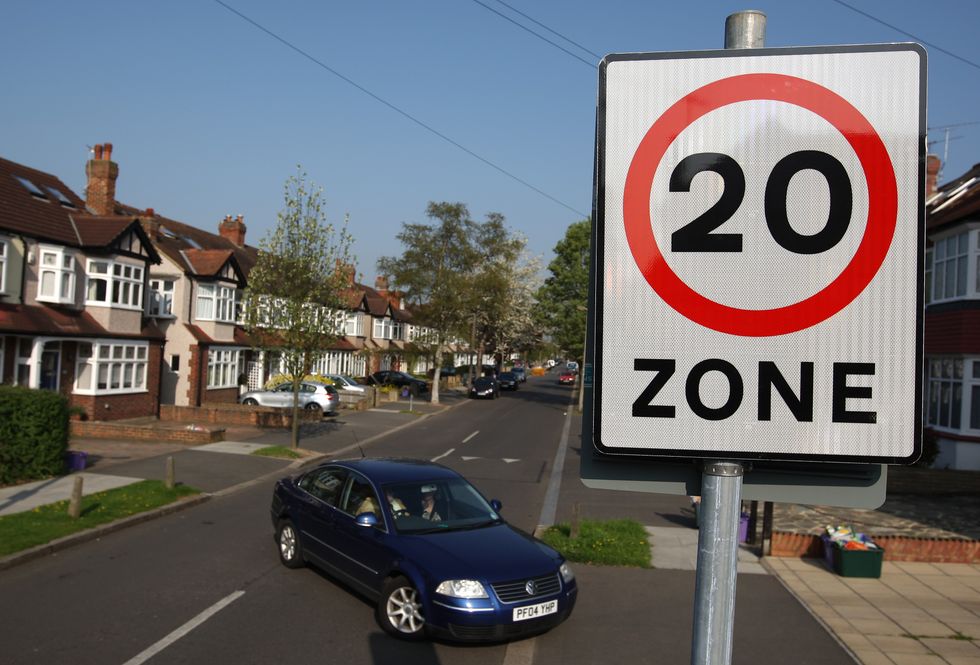
The Parliamentary Advisory Council for Transport Safety responded to the proposals, backing the introduction of 20mph speed limits in residential areas and other built-up locations.
The group particularly supported lower speeds along high levels of pedestrian activity, such as around schools, shopping streets and community spaces.
The transport safety charity submission draws on Safe System principles, which acknowledge how fast vehicles travel plays a fundamental role in determining both the probability of crashes occurring and the seriousness of resulting injuries.
PACTS warned that elevated speeds give road users less opportunity to respond to dangers while simultaneously increasing the force of any impact.
For pedestrians, cyclists and wheelchair users, reduced traffic speeds are especially critical in minimising harm, the organisation notes.
The charity points to international research demonstrating that 20mph zones effectively reduce casualty numbers. PACTS also firmly backs lowering speed limits on faster roads outside urban centres.
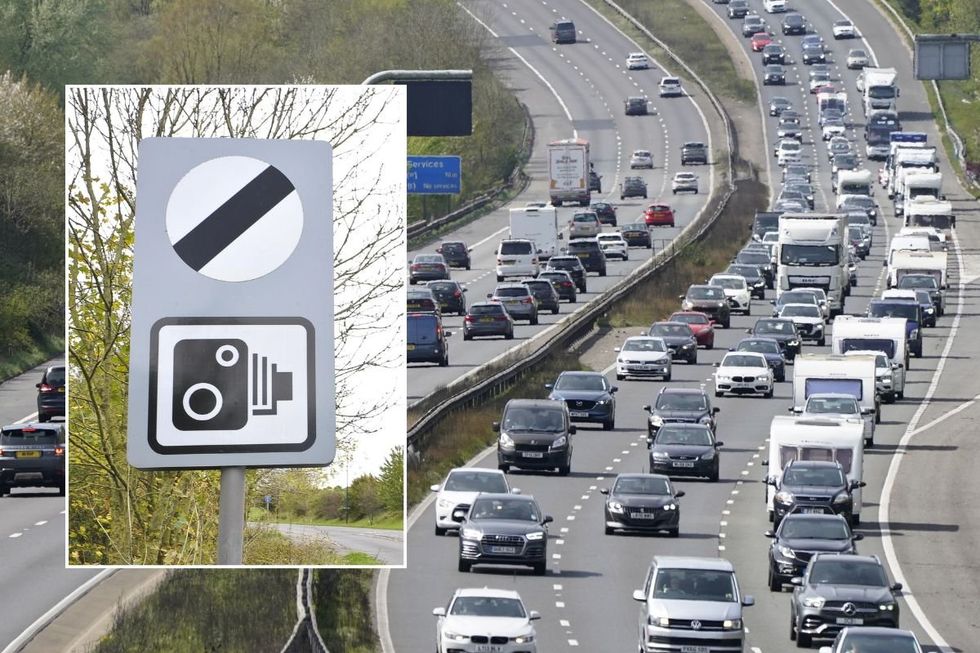
The organisation said it strongly supports cutting the national limit on rural single carriageway routes from 60mph to 50mph.
For dual carriageways, PACTS recommended reducing the maximum speed from 70mph to 60mph in locations where road design would not protect occupants travelling at higher speeds in the event of a crash.
The charity argued these reductions would reduce the severity of injuries sustained in collisions and enhance overall network safety.
According to the consultation documentation, there is a clear link between fatalities on country roads and excessive vehicle speeds.
LATEST DEVELOPMENTS
- Bicycles prioritised over car owners on busy road with controversial new £2million 'cycle street'
- UK celebrates landmark electric car milestone as millions of drivers prepare for EV switch
- Birmingham council fined nearly £500,000 for breaching its own Clean Air Zone rules
Lower limits could also help safeguard all road users and improve chances of survival should an accident occur, the evidence suggested.
PACTS firmly rejected any proposals to raise speed limits for HGVs on rural routes, arguing that the combination of the substantial weight and increased velocity would dramatically worsen the severity of any collision.
Other road users would also face significantly greater risk of harm if lorries were permitted to travel faster, the organisation warned.
The Department for Infrastructure's consultation suggested that higher HGV limits could improve traffic flow, reduce dangerous overtaking manoeuvres and shorten journey times for drivers.
Aligning Northern Ireland's HGV restrictions with those of other regions was also cited as a potential benefit. However, PACTS warned that safety considerations must take precedence, given the disproportionate danger posed by heavy vehicles in crashes with smaller road users.
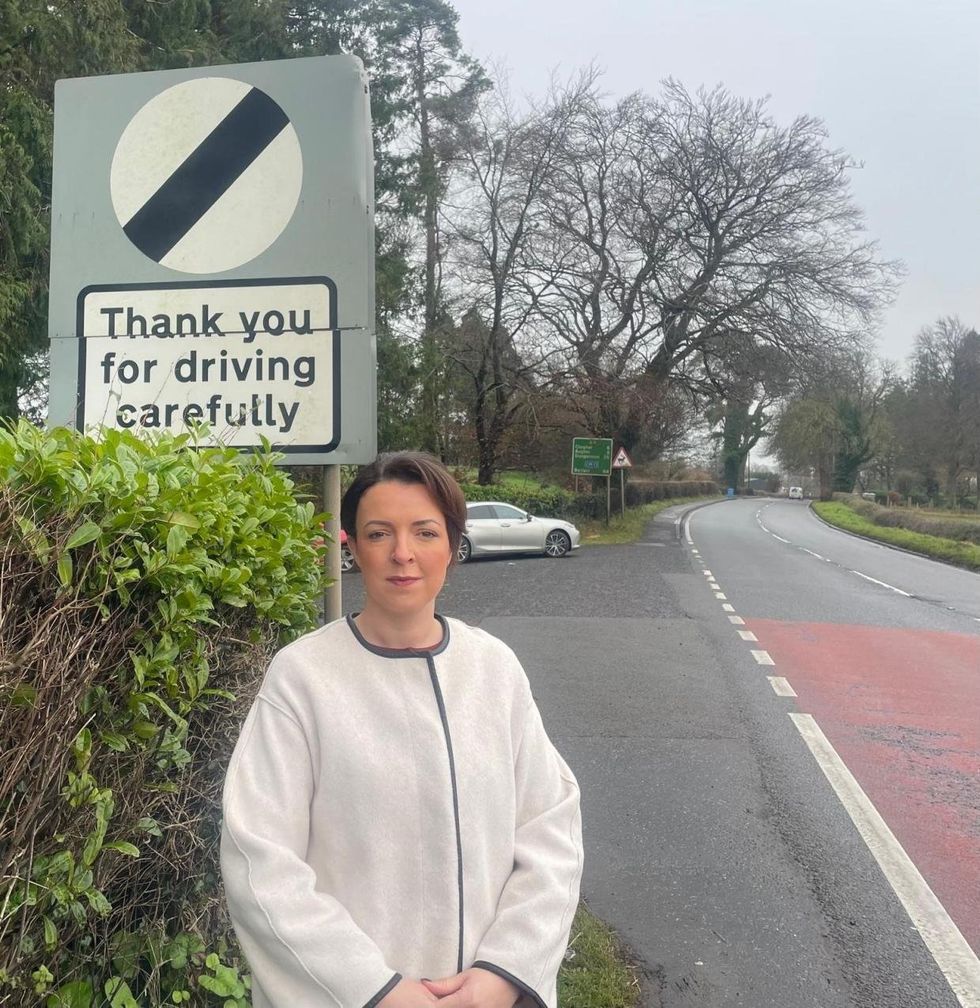
Infrastructure Minister Liz Kimmins said: "It is clear from the evidence that excessive speed remains one of the most significant factors in collisions and fatalities on our roads.
"These are not just statistics. Behind the numbers are families and communities who have been left heartbroken by often preventable tragedies."
The review supports Northern Ireland's Road Safety Strategy to 2030, though any changes would require additional funding and legislative amendments.
Our Standards: The GB News Editorial Charter