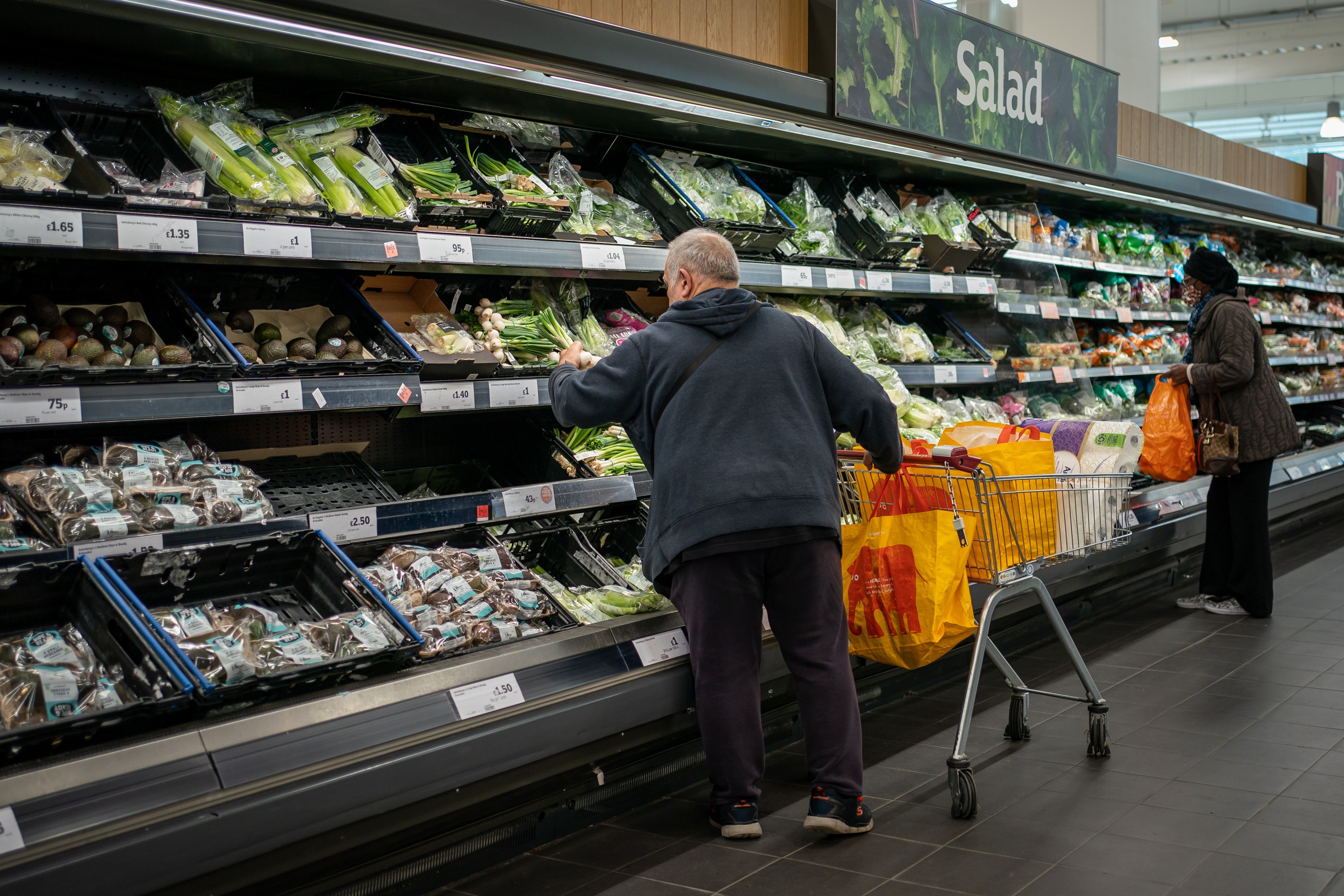
Supermarket fridges can't cope with UK heat as Britons unable to purchase meat or dairy products
•Britain's largest supermarket chains were forced to shut down fridges and dispose of food during what has become the three hottest June days ever recorded in the country.Tesco, Sainsbury's, M&S and Wa...
•TRENDING Stories Videos Your Say Rupert Ashby, chief executive of the British Frozen Food Federation, attributed the widespread failures to outdated cooling systems struggling under extreme weath...
•While some staff reportedly told customers that running the fridges had become too expensive, the real issue was that struggling systems simply could not maintain safe temperatures."In fact, if you ne...
هذا الخبر من GB News. خبر يقدم أدوات ذكاء اصطناعي للتلخيص والترجمة والاستماع.
المصدر: GB News | Source: GB NewsBritain's largest supermarket chains were forced to shut down fridges and dispose of food during what has become the three hottest June days ever recorded in the country.
Tesco, Sainsbury's, M&S and Waitrose were all affected by the crisis, with branches across the UK closing chilled and frozen sections, and customers unable to purchase meat and dairy products.
Reports of the failures spread rapidly through community groups and social media, with shoppers arriving to find entire aisles cordoned off and chest freezers standing empty.
Staff at several stores were said to have bagged up food for disposal, with the situation worsening as the heatwave persisted throughout the week.
TRENDINGStoriesVideosYour SayRupert Ashby, chief executive of the British Frozen Food Federation, attributed the widespread failures to outdated cooling systems struggling under extreme weather conditions.
The majority of British supermarkets operate refrigeration units installed some four decades ago, with banks of fridges and freezers connected to centralised systems in car parks or on rooftops.
Mr Ashby said: "These might have been built 40 years ago, and they're very efficient, in a temperate climate, taking the hot air out and dumping it outside.
"But if the temperature outside is very, very hot, they have to work so much harder and become very inefficient."
In older stores, when one machine fails, the entire connected system goes down at once - with the crisis reported from Essex to Newcastle, Bristol to Carlisle, and as far as the Isle of Man.
The technical explanation centres on food safety rather than cost-cutting, according to Mr Ashby.
While some staff reportedly told customers that running the fridges had become too expensive, the real issue was that struggling systems simply could not maintain safe temperatures.
"In fact, if you needed a shorter answer to why this has happened this week, it's a food safety issue," Mr Ashby said, noting that large retailers would not risk selling compromised products.
LATEST DEVELOPMENTS
- NHS hospitals defy trans ruling and allow biological men to use female-only wards
- JD Sports confirms final store closures for fashion brand as it quits the high street
- Shop may lose licence after staff member accused of stealing winning lottery ticket
Modern stores with plug-in units and raised modular floors fare better, allowing for easier repairs and isolated failures, but some retailers deployed screens over fridges as makeshift doors to retain cold air.
The Cold Chain Federation warned that chilled warehouses supplying these stores could also begin failing should extreme temperatures continue.
Mr Ashby revealed he had previously cautioned Government ministers about the need for infrastructure improvements to prevent such a scenario as seen this week.
"The old food minister, Daniel Zeichner, would listen, but less so since," he said, though the National Preparedness Committee "takes the issue seriously", he added.
The federation chief has now written to Energy Secretary Ed Miliband, proposing a straightforward solution - raising freezer temperatures from the standard -18C.
Mr Ashby said: "Do you know why we currently set it at -18C? Because Clarence Birdseye, who invented modern freezers in 1924, worked off zero Fahrenheit, which is -18 Celsius.
"Think of all the progress we've made in 102 years, but we've never looked at it again."
The expert claimed a temperature increase of three or four degrees would pose no food safety risk, while significantly reducing energy consumption.
Our Standards: The GB News Editorial Charter
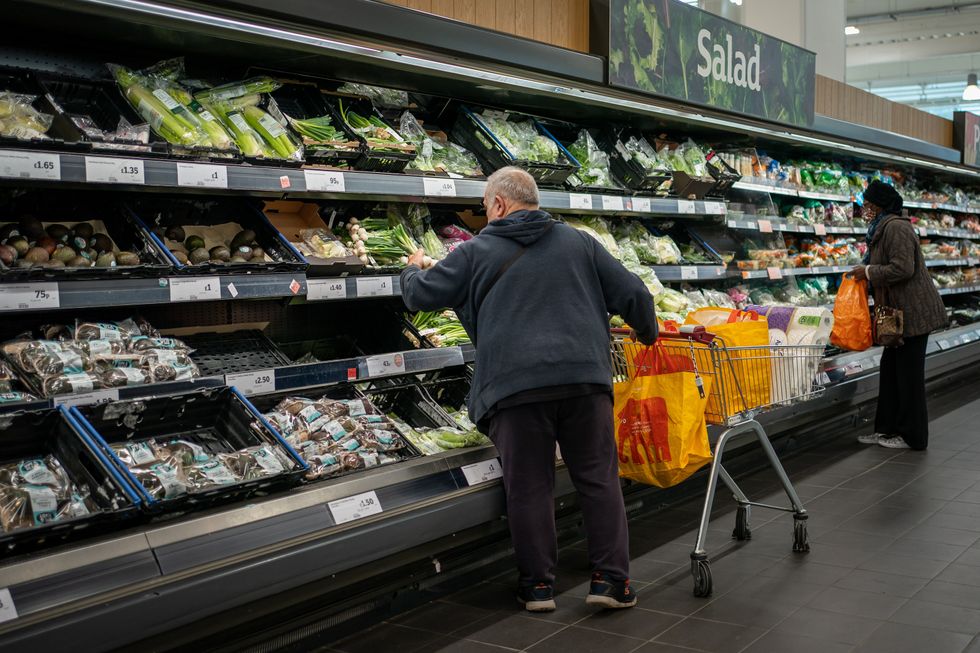

ملاحظة تحريرية | Editorial Note: نُشر هذا المقال في الأصل بواسطة GB News. خبر (Khabr) هي منصة إعلامية أردنية مرخّصة تعمل بالذكاء الاصطناعي. نضيف قيمة تحريرية من خلال: تحليل ذكي للأخبار، ملخصات تلقائية، رواية صوتية بالذكاء الاصطناعي، ترجمة متعددة اللغات، وتدقيق الحقائق. هدفنا جعل الأخبار أكثر وضوحاً وسهولةً للقارئ العربي.
This article was originally published by GB News. Khabr is a licensed Jordanian AI-powered news platform (Registration #82086). We add editorial value through: AI-powered news analysis, automated summaries, AI audio narration, multi-language translation (Arabic, English, French, Turkish), and AI fact-checking. Our mission is to make news more accessible and understandable for Arabic-speaking audiences worldwide.