
State pension risk for millions as 'triple lock reform necessary' amid jobless youth crisis
•Incoming Prime Minister Andy Burnham that rising economic inactivity could threaten the long-term sustainability of Britain's state pension system, the Organisation for Economic Co-operation and Devel...
•TRENDING Stories Videos Your Say That figure has increased by nearly 700,000 since before the pandemic, with long-term illness accounting for most of the rise.The state pension triple lock, intro...
•Our Standards: The GB News Editorial Charter
هذا الخبر من GB News. خبر يقدم أدوات ذكاء اصطناعي للتلخيص والترجمة والاستماع.
المصدر: GB News | Source: GB NewsIncoming Prime Minister Andy Burnham that rising economic inactivity could threaten the long-term sustainability of Britain's state pension system, the Organisation for Economic Co-operation and Development (OECD) has warned.
In its latest assessment of the UK economy, published on Wednesday, the Paris-based organisation said "subdued employment could start weighing on the sustainability of state pensions".
The warning comes as one million people aged 16 to 24 are classified as not in employment, education or training (NEET), meaning they are not contributing to the tax base that helps fund the state pension.
A further 9.1 million working-age adults are economically inactive, meaning they are neither in work nor looking for employment.
TRENDINGStoriesVideosYour SayThat figure has increased by nearly 700,000 since before the pandemic, with long-term illness accounting for most of the rise.
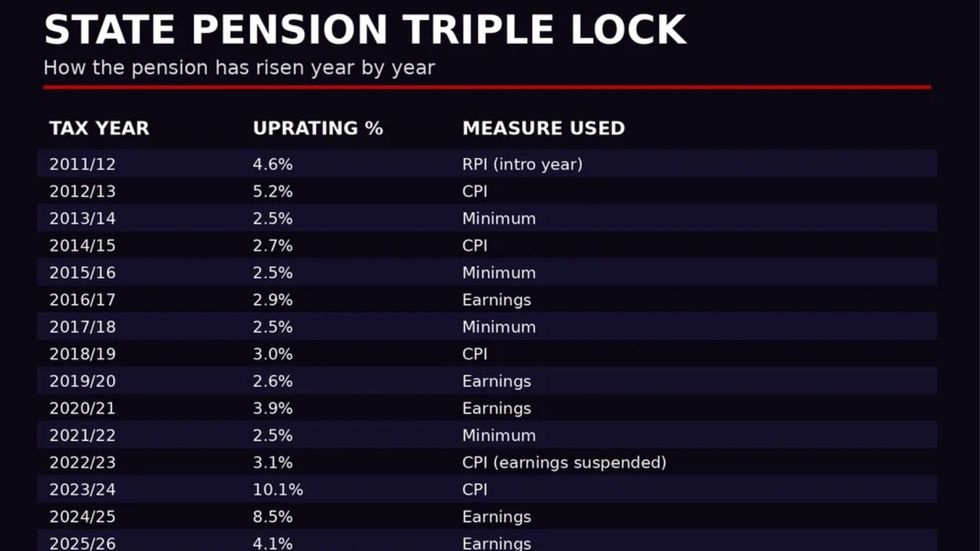
The state pension triple lock, introduced under David Cameron's Government, guarantees annual increases based on whichever is highest of inflation, average earnings growth or 2.5 per cent.
The OECD described the policy as "unusually generous" in its report.
It said the policy has become significantly more expensive than originally expected, with the Treasury spending around £8billion more each year than previously projected because of the mechanism.
It added that economic shocks, including the pandemic and the cost of living crisis, had made the annual cost of the policy increasingly unpredictable.
The OECD said: "Reforming the triple lock is necessary to reduce fiscal risks but requires careful preparation and consideration of public acceptability."
Labour pledged to retain the triple lock in its election manifesto, limiting the scope for immediate changes.
Instead, the OECD suggested transitional reforms, including linking annual state pension increases to an average of inflation and wage growth.
LATEST DEVELOPMENTS
- UK economy grows just 0.1 per cent as Rachel Reeves faces Number 11 exit
- Record 10 million pensioners to be caught in state pension tax trap this year
- Pound hits one-year high as reports suggest Shabana Mahmood to become Andy Burnham's chancellor
The warning comes as concern grows over the number of young people outside education and employment.
Former Health Secretary Alan Milburn, who is leading a review into youth worklessness, said Britain is facing an "urgent national crisis" that costs an estimated £125billion each year through lower tax receipts and higher welfare spending.
Department for Work and Pensions figures show the number of people under 25 receiving sickness-related benefits has quadrupled since the pandemic.
Nearly 180,000 young people now receive Universal Credit linked to health conditions.
Almost 250,000 young people also receive Personal Independence Payment for conditions including anxiety, autism and ADHD.
Research by youth employment charity Impetus, supported by Lord Blunkett, found each young person who is not in employment, education or training costs the state an average of £244,000 over their lifetime.
The OECD also highlighted the long-term demographic pressures facing Britain's pension system.
Before the financial crisis, there were 27 pensioners for every 100 working-age people.
That figure has since risen to 35 pensioners for every 100 working-age people and is projected to increase to 49 per 100 by 2060.
The organisation recommended tightening eligibility for health-related benefits while expanding skills training to help more people return to work.
It also warned that, without wider reforms, Britain's national debt could almost double by 2050 to around 200 per cent of gross domestic product (GDP).
The OECD said a package of tax and spending reforms could instead limit debt to below 150 per cent of GDP.
The report added that welfare spending now accounts for 11 per cent of GDP and continues to grow faster than the wider economy.
Our Standards: The GB News Editorial Charter

ملاحظة تحريرية | Editorial Note: نُشر هذا المقال في الأصل بواسطة GB News. خبر (Khabr) هي منصة إعلامية أردنية مرخّصة تعمل بالذكاء الاصطناعي. نضيف قيمة تحريرية من خلال: تحليل ذكي للأخبار، ملخصات تلقائية، رواية صوتية بالذكاء الاصطناعي، ترجمة متعددة اللغات، وتدقيق الحقائق. هدفنا جعل الأخبار أكثر وضوحاً وسهولةً للقارئ العربي.
This article was originally published by GB News. Khabr is a licensed Jordanian AI-powered news platform (Registration #82086). We add editorial value through: AI-powered news analysis, automated summaries, AI audio narration, multi-language translation (Arabic, English, French, Turkish), and AI fact-checking. Our mission is to make news more accessible and understandable for Arabic-speaking audiences worldwide.