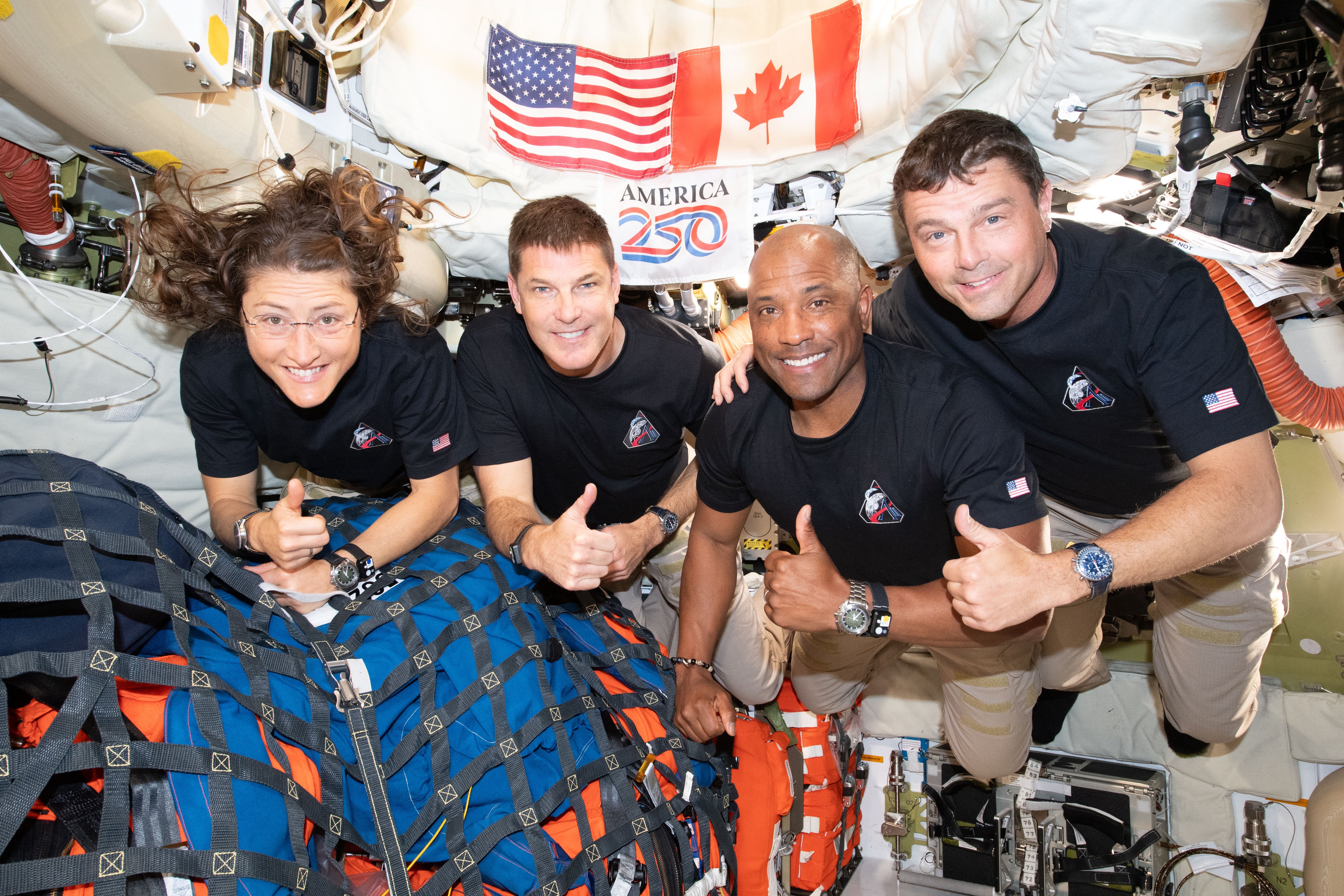
Space missions could left in preil after a new study revealed an unexpected risk facing astronaut crews.
Researchers who spend extended periods confined together experience growing levels of conflict, isolation and suspicious thinking, according to new findings from the University of Zurich.
The study, conducted at the Concordia station - a joint French and Italian base in Antarctica - monitored a dozen scientists over 10 months and discovered troubling psychological patterns emerging as time progressed.
These results carry significant implications for ambitious plans to send astronauts on lengthy voyages to Mars or establish permanent bases on the Moon, where crews would face comparable conditions of confinement and remoteness for months or even years at a time.
The investigation employed proximity sensors alongside regular questionnaires to track how relationships evolved within the isolated group.
Published in the Proceedings of the National Academy of Sciences, the research documented "a progressive increase in feelings of loneliness and conflict, while cohesion and individual performance declined".
Scores measuring loneliness rose steadily throughout the stay, eventually reaching levels the researchers compared to moderate social isolation experienced by the wider population.
Those team members who found themselves closest to one another proved most susceptible to interpersonal friction.
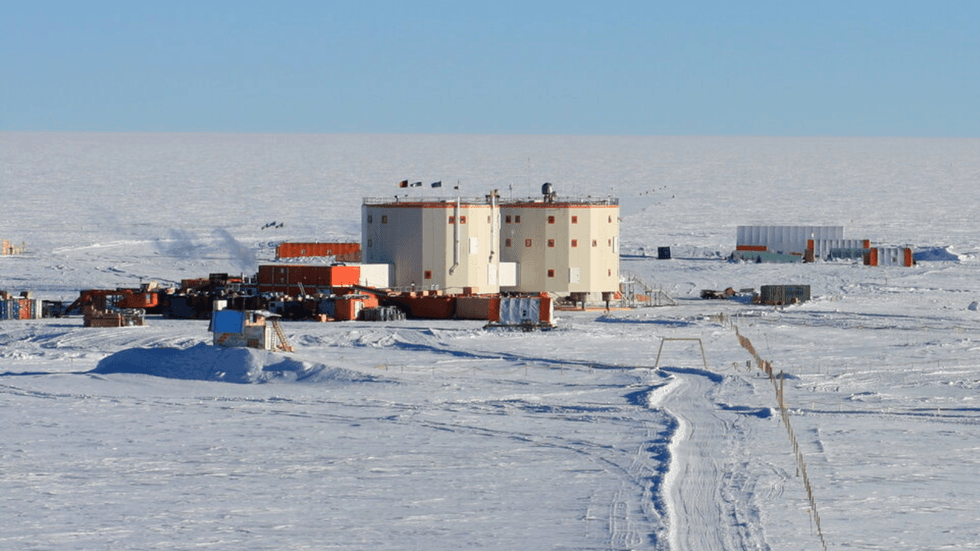
The Concordia base is actually further away from civilisation than the International Space Station - making it an ideal testing ground for understanding extreme isolation.
Despite all participants having passed psychological assessments before their Antarctic deployment, the group nonetheless developed concerning patterns of suspicious behaviour.
The study identified "forms of suspiciousness involving the perception that others are commenting on or observing oneself", with "elevated levels of mistrust" emerging by the mission's midpoint.
The loneliness documented among the team was linked to "increases in conflict and paranoid ideation".
SPACE - READ THE LATEST:
- Scientist reveals ‘critical’ setback for Jeff Bezos’s Blue Origin after dramatic rocket explosion
- Huge mushroom cloud erupts over Florida as Jeff Bezos's Blue Origin rocket explodes on launchpad
- Nasa to build base on the moon BEFORE HS2 is finished
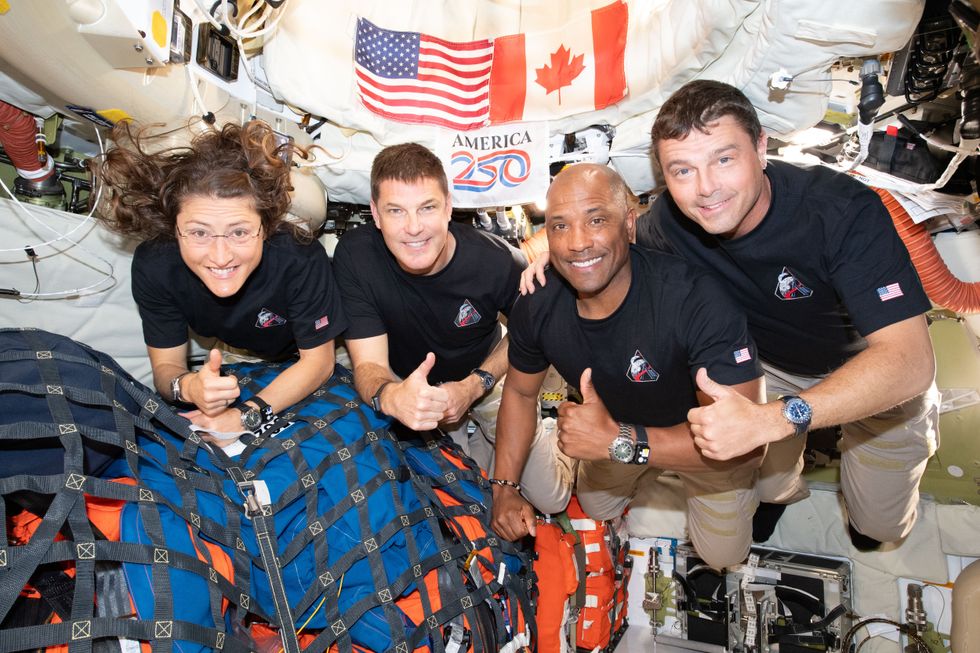
Perhaps most worrying for future multi-national space crews, the researchers observed a tendency for the group to fracture into nationality-based cliques.
This splintering was flagged as presenting a "risk of social fragmentation in multicultural crews".
The findings arrive as space agencies and commercial ventures prepare for an unprecedented era of human exploration.
Missions to Mars would last months rather than the 10 days spent by Artemis II astronauts in April, who described forging close bonds in their van-sized capsule.
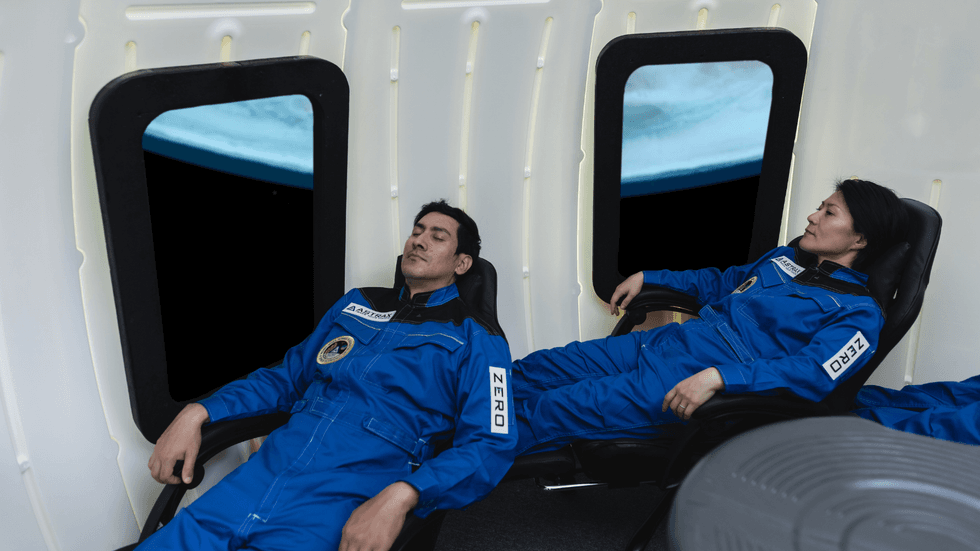
Jan Schmutz, one of the study's authors, told The Economist: "We humans are deeply social creatures, but also there are boundaries."
The researchers drew on Stephen King's The Shining to illustrate their point, noting that "in prolonged isolation, constant proximity does not necessarily strengthen relationships but can instead amplify tension, mistrust, and psychological strain."
The concerning findings come just two years ahead of the expected launch of Nasa's daring Artemis IV mission in 2028.
Astronauts will return to the lunar surface for the first time since 1973 - where they will spend a week near the South Pole of the Moon conducting groundbreaking research.
Our Standards: The GB News Editorial Charter