'South Asian programmes helped us settle into our new lives'
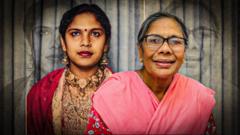
•'South Asian programmes helped us settle into our new lives'Image source, Anil Kumar Bharath / Nirmala RaniImage caption, Nirmala, pictured in the late 1970s and now, remembers one of the first TV sho...
•It was primarily designed to help South Asian immigrants learn basic English, adapt to British culture, and integrate into life in the UKWhen Nirmala Rani arrived in the Leeds suburb of Hyde Park in 1...
•She was a Punjabi speaker from India and knew few people in England.Aged 17, Nirmala had come to Leeds to join her husband, whose family had already settled there.
هذا الخبر من BBC News. خبر يقدم أدوات ذكاء اصطناعي للتلخيص والترجمة والاستماع.
'South Asian programmes helped us settle into our new lives'Image source, Anil Kumar Bharath / Nirmala RaniImage caption, Nirmala, pictured in the late 1970s and now, remembers one of the first TV shows for South Asians for sparking hours of conversation with her familyByAnil Kumar BharathYorkshirePublished2 minutes agoFor the first generation of South Asian migrants to the UK, dedicated radio and television broadcasts by the BBC were a lifeline.As well as lighter content such as music, the early output included practical advice to help new arrivals settle into their lives in areas such as West Yorkshire, where many South Asian families were attracted by jobs in the textile industry.Sixty years on, three generations have shared their memories of South Asian programming and spoken about how it shaped them.Image source, Krishna Devi / BBCImage caption, Look, Listen and Speak was a landmark English language television course produced by the BBC in the late 1960s. It was primarily designed to help South Asian immigrants learn basic English, adapt to British culture, and integrate into life in the UKWhen Nirmala Rani arrived in the Leeds suburb of Hyde Park in 1979, life felt quiet and unfamiliar. She was a Punjabi speaker from India and knew few people in England.Aged 17, Nirmala had come to Leeds to join her husband, whose family had already settled there. Like many South Asian families then, she followed relatives who had moved first to build a new life."When a letter came from home, we'd read it 10 times."With no telephone and no relatives nearby, each letter was a lifeline.She was adjusting to a new country, new culture, and a loneliness that came from being far from the sounds and language she understood.The BBC had already begun making programmes for South Asian audiences. One of the first, 'Apna Hi Ghar Samajhiye' (Make Yourself at Home), offered language lessons, music and advice.Image caption, Legendary Indian playback singer...المصدر: BBC News | Source: BBC News
ملاحظة تحريرية | Editorial Note: نُشر هذا المقال في الأصل بواسطة BBC News. خبر (Khabr) هي منصة إعلامية أردنية مرخّصة تعمل بالذكاء الاصطناعي. نضيف قيمة تحريرية من خلال: تحليل ذكي للأخبار، ملخصات تلقائية، رواية صوتية بالذكاء الاصطناعي، ترجمة متعددة اللغات، وتدقيق الحقائق. هدفنا جعل الأخبار أكثر وضوحاً وسهولةً للقارئ العربي.
This article was originally published by BBC News. Khabr is a licensed Jordanian AI-powered news platform (Registration #82086). We add editorial value through: AI-powered news analysis, automated summaries, AI audio narration, multi-language translation (Arabic, English, French, Turkish), and AI fact-checking. Our mission is to make news more accessible and understandable for Arabic-speaking audiences worldwide.