British taxpayers are footing a staggering £4.6billion annual bill due to rampant sick leave within the National Health Service, according to a Policy Exchange report supported by MPs from multiple parties.
The think-tank's analysis reveals NHS staff recorded absence rates of 5.15 per cent in 2024, nearly triple the 1.8 per cent figure seen across private-sector workplaces.
Public sector employees elsewhere averaged 2.9 per cent sickness absence, meaning health service workers are taking time off at rates more than 50 per cent higher than other government staff.
The scale of the crisis equates to losing 80,000 workers annually, sufficient to operate 80 hospitals at full capacity.
Driving this epidemic are remarkably generous entitlements that allow employees to claim six months of full salary while off sick, followed by an additional half-year at reduced pay.
Policy Exchange's study, titled NHS: Heal Thyself, draws on Freedom of Information requests submitted to trusts, workforce data analysis, and conversations with occupational health and human resources specialists.
The findings conclude current sickness management practices are financially untenable and harmful to operations.
Absences lasting beyond 28 days surged by 43 per cent between 2019 and 2024, while staff departing on extended leave and never returning rose by 42 per cent during the same period.
Remarkably, just one per cent of NHS employees account for an eighth of all sick days taken, with the top 10 per cent responsible for more than half of total absences.
The report notes managerial and administrative roles showed higher absence rates than frontline clinical staff.
Policy Exchange is urging comprehensive reform of sick pay arrangements, occupational health services, and management accountability structures.
Resident doctors in England will stage a four-day walkout in June, marking the 16th round of strikes in their long-running pay and workforce dispute.
LATEST DEVELOPMENTS
- Student, 20, died in agony after hospital staff 'ignored her so they could watch Women's World Cup'
- UK pharmacies could gain expanded prescribing powers in just months under new plans
- 'Subscription-based' GP care under consideration as doctors explore alternative NHS models
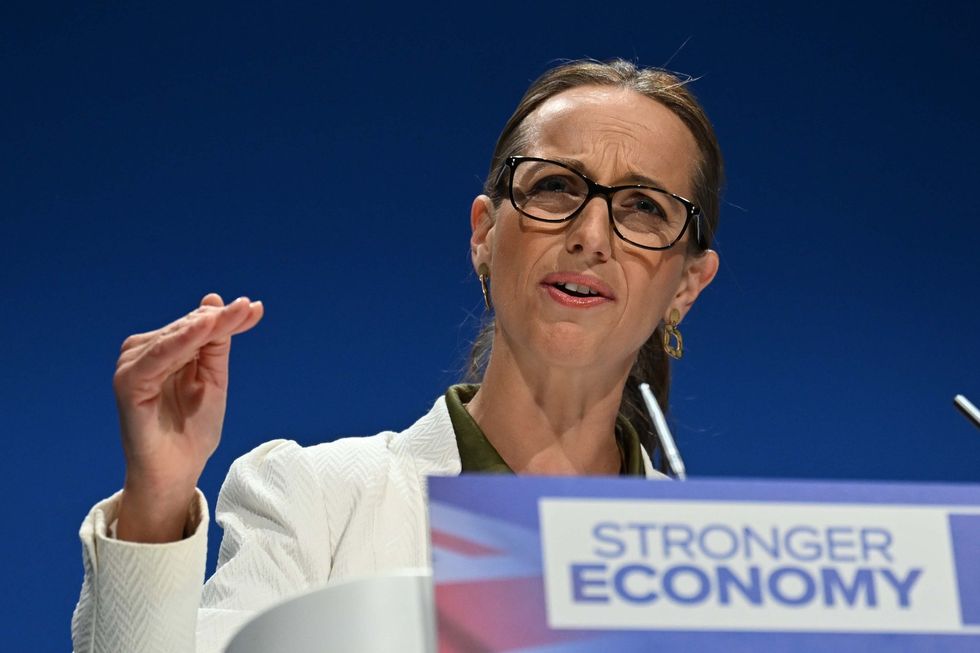
Helen Whately MP, Shadow Work and Pensions Secretary and former health minister, said: "We need to get Britain working, and that includes our public services. It is simply unsustainable to have tens of thousands of NHS staff off sick full-time.
"Bold and decisive action is needed to turn things around. Policy Exchange have done a great service in exposing the extent of this absence and in setting out what can be done to put things right. This is an area which needs urgent attention to unlock better outcomes both for patients and for the majority of NHS staff who are being left short-handed as a result."
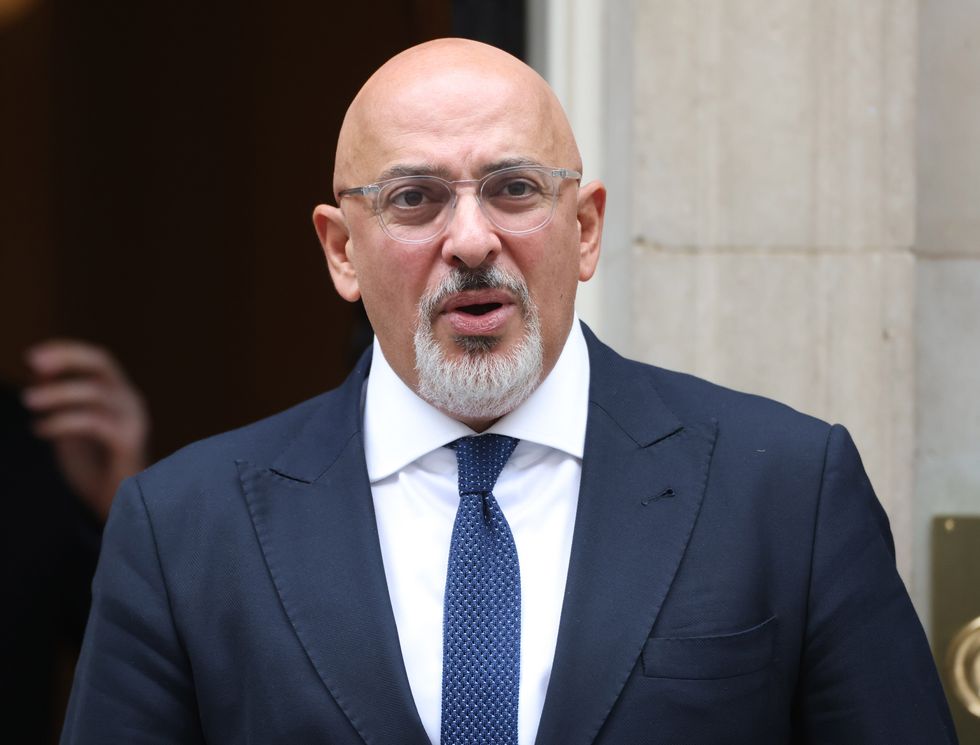
Nadhim Zahawi, former chancellor, added: "People are struggling to get appointments and waiting lists are out of control. It is clear that large parts of the NHS are not working as productively as they should to serve patients or to deliver value for the taxpayer.
"This report shows one of the important reasons why. Having tens of thousands of NHS staff off long-term sick, and receiving full pay means fewer clinicians to treat patients and billions of pounds wasted. Ministers should seriously consider this report and its recommendations and act accordingly."
Lord Carter of Coles, a member of the House of Lords Finance Committee, stated: "We cannot afford for so many people to be off sick in an organisation which is meant to be tackling illness. Policy Exchange are right to identify sickness absence in the NHS as a major issue which needs urgently addressing to benefit both patients and staff.
"Instead of paying people to be off work for months at a time, which amounts to a form of benign neglect, NHS managers should be incentivised to bring people back into work quickly and to help them stay there. I hope that this eye-opening report gets the attention it deserves."
Gareth Lyon, Head of Health & Social Care at Policy Exchange, commented: "Our findings show a system which is clearly not working either for NHS staff or for patients. The health service should be an exemplar of how to support people to stay in work and to return to work. Instead we are seeing tens of thousands of people being paid to be off work for months or even years at a time.
"In order for the NHS to become more productive, to reduce waiting lists and to increase patient satisfaction levels we urgently need to address this systemic failure. The answer lies in modernising management, sick pay and occupational health in line with best practice in the private sector and to get the NHS working again.”
Our Standards: The GB News Editorial Charter