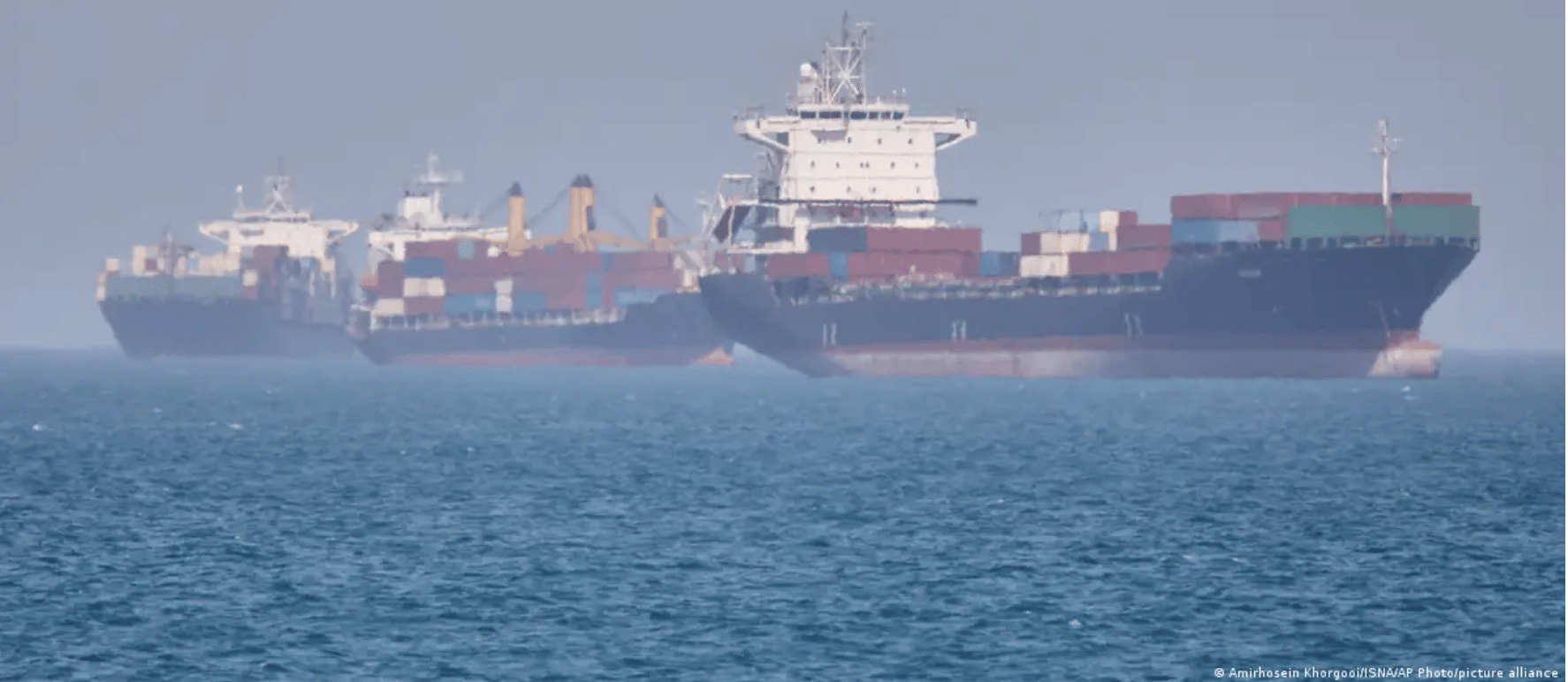
After weeks of near-standstill traffic through the world’s most critical energy chokepoint, maritime movement through the Strait of Hormuz suddenly spiked — offering a glimmer of normalisation amid one of the most disruptive conflicts in recent global trade history.
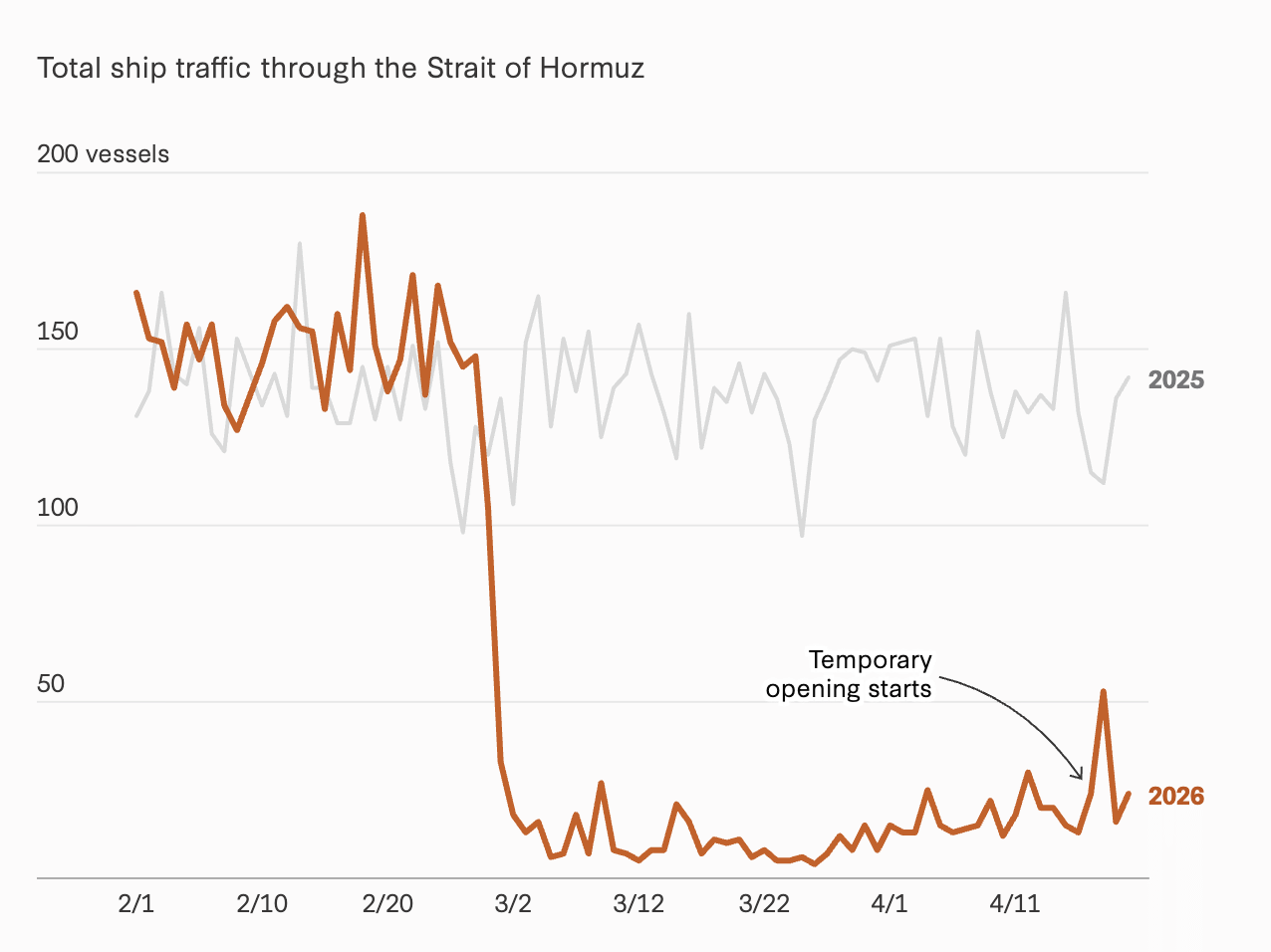
Data from maritime intelligence firm Kpler shows that between May 11 and May 17, a total of 55 commodities vessels — including oil tankers and cargo ships — crossed the narrow waterway connecting the Arabian Gulf to the Gulf of Oman.
This represented a dramatic jump from just 19 vessel movements the week before — the lowest recorded weekly total since major warfare broke out in the region in late February, as per AFP.
Ship traffic remains at a fraction of prewar levels: Daily transits of the strait remain well below pre-conflict levels. While some vessels may be operating “dark,” with AIS transponders switched off (not captured in the data), commercial traffic through the strait largely has not recovered, as per CSIS data.
Why it matters
The Strait of Hormuz handles roughly 20% of global oil flows, meaning any slowdown or disruption immediately reverberates across global energy markets and supply chains.
Yet over the past three months, fears of attacks, naval blockades, and geopolitical brinkmanship between Iran, the US, and Israel forced most commercial traffic to grind to a halt — with many carriers either waiting offshore, rerouting, or refusing to sail without heavy security cover.
Although Tehran declared the strait open on April 17, the Islamic Revolutionary Guard Corps (IRGC) reversed course and announced it shut just one day later.
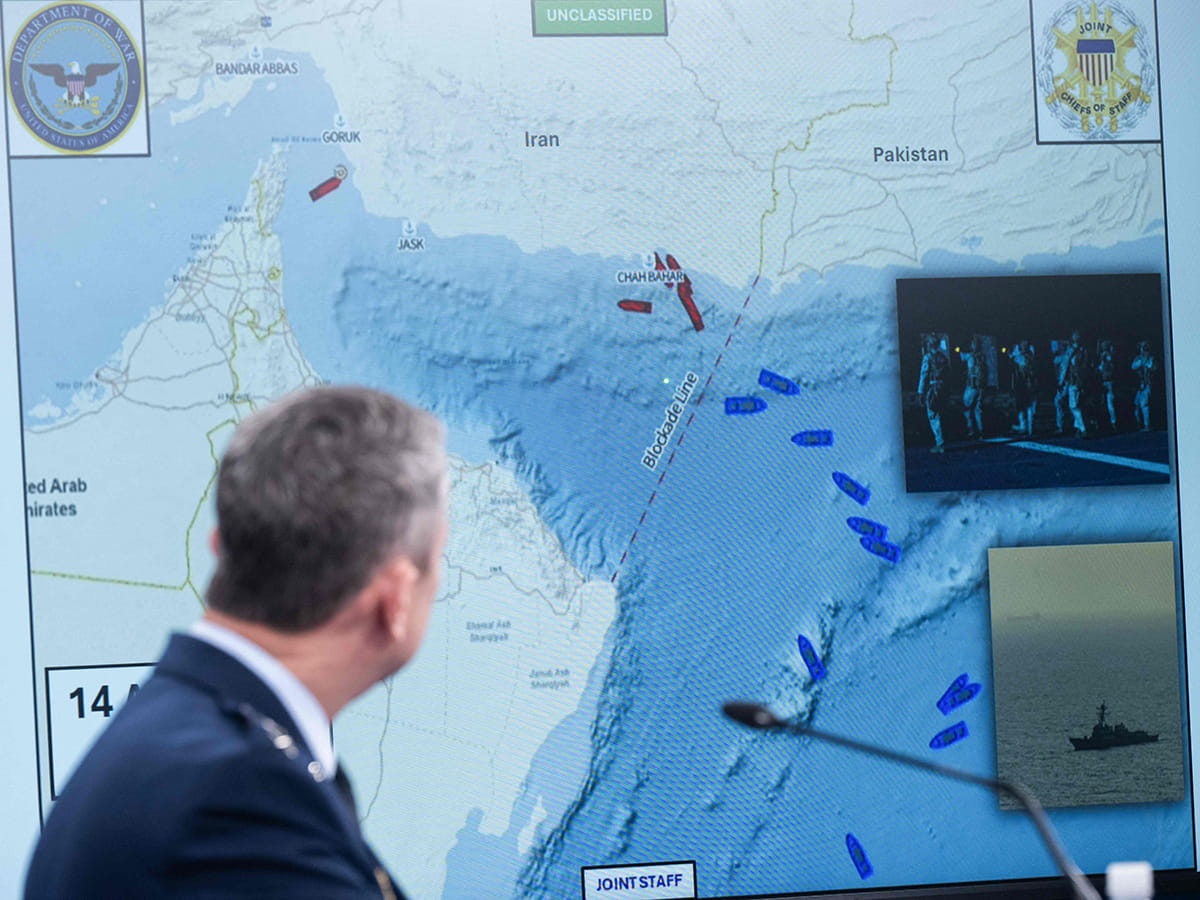
The US has since moved to enforce its own presence, including by seizing an Iranian-flagged cargo vessel on April 19. Vessel tracking and maritime trade data offer key insights into the ongoing dispute.
What changed
According to Iranian state media, the IRGC has recently allowed more ships to transit the strait, easing the chokehold that brought global tanker counts to wartime lows.
Analysts point out that this rise doesn’t mean a return to pre-war levels — global traffic remains constrained, insurance premiums high, and many Western-flagged ships are still steering clear of the region.
Cautious reopening
Instead, the uptick reflects a cautious reopening as both sides juggle military pressure with economic realities.
CSIS noted that of the 187 vessels that have successfully transited the strait since March 4, over half are operated by shipping companies located in just four countries: China + Hong Kong, Greece, the UAE and Iran.
China’s position at the top of that list is notable, given reports that Beijing has pressed Tehran to protect Chinese shipping.
Global impact
The temporary recovery could help stabilise oil and commodity prices, ease supply bottlenecks, and lower the risk premium that has driven energy cost spikes since February.
However, experts warn that any renewed escalation — or unilateral declaration of control over shipping lanes — could snap traffic back to near-zero, with ripple effects for global markets.