Shifting Saudi ties: what role could China take after Iran war is over?
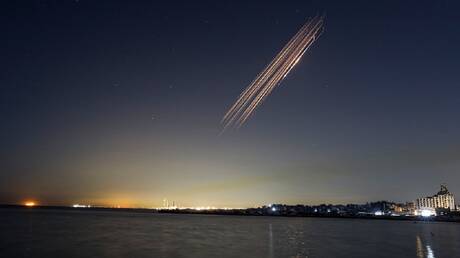
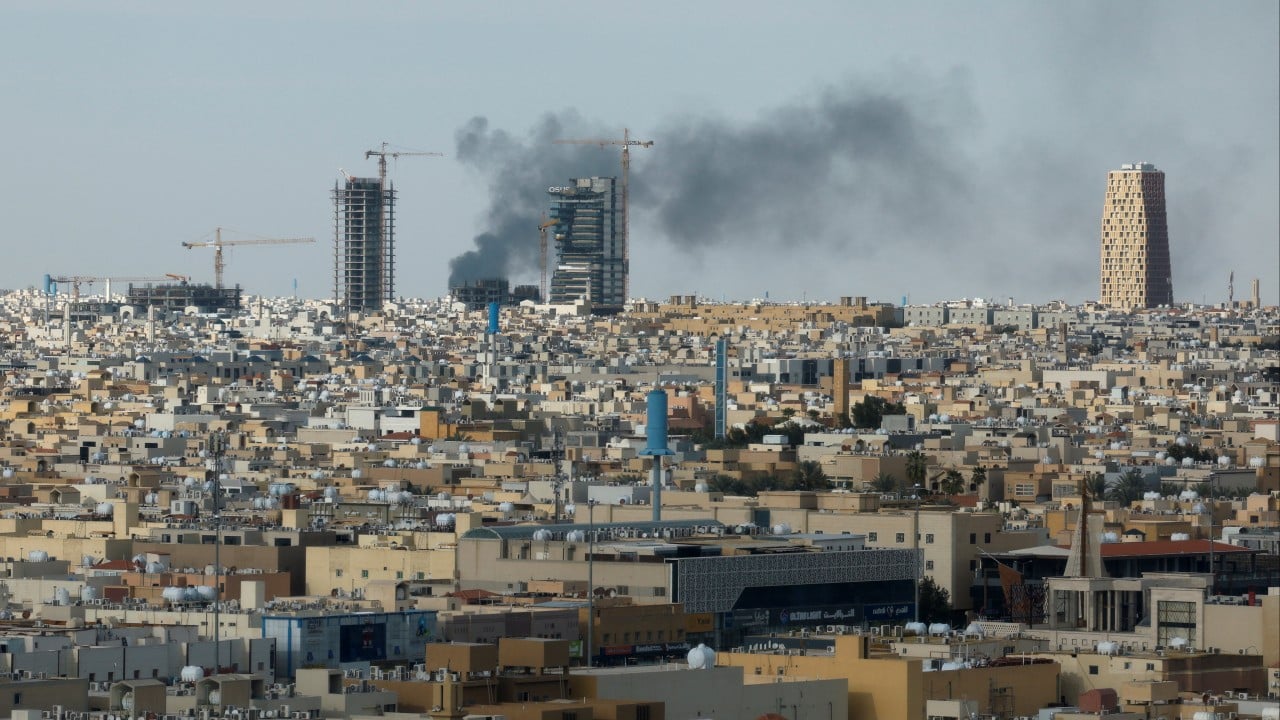
AdvertisementUS, Israel war on IranChinaDiplomacyShifting Saudi ties: what role could China take after Iran war is over?Caught between Washington and Tehran, Riyadh may shift towards self-reliance and diversifying partnerships, observers note 4-MIN READ4-MIN6 ListenAlyssa ChenandFan ChenPublished: 12:00pm, 22 Apr 2026The Iran conflict is pushing Saudi Arabia to reconsider its US-led security strategy, with China emerging to play a limited, but functional role, analysts say.However, deep US ties in defence would restrict Saudi Arabia’s broader cooperation with China, they added, as one expert predicted Riyadh was likely to deepen ties with regional powers such as Pakistan and Turkey. In a rare alignment, Crown Prince Mohammed bin Salman of Saudi Arabia, a key US ally in the Middle East, initiated a phone call with Chinese President Xi Jinping on Monday. 01:28 US forces seize Iranian ship as Tehran says it has no plans to join peace talks US forces seize Iranian ship as Tehran says it has no plans to join peace talksHe said Riyadh was ready to strengthen communication and coordination with China to “prevent the resurgence of hostilities, ensure the safety and freedom of navigation in the Strait of Hormuz, and work together to find solutions for long-term regional stability and security”. AdvertisementDuring the phone conversation, Xi said for the first time that the Strait of Hormuz should remain open, adding that it aligned with the “common interest of countries” in the region and the international community, according to state news agency Xinhua. Xi also said China stood ready to work with Saudi Arabia to “deepen strategic mutual trust, enhance practical cooperation, expand exchanges at all levels and continue to broaden and deepen the scope of bilateral ties”. AdvertisementSince the US-Israeli military strikes on Iran began on February 28, Tehran has retaliated with missile and drone attacks on key Saudi infrastructure – including energy production and refining facilities – as it seeks to punish US allies in the Gulf.AdvertisementSelect VoiceSelect Speed0.8x0.9x1.0x1.1x1.2x1.5x1.75x00:0000:001.00xالمصدر: South China Morning Post | Source: South China Morning Post
ملاحظة تحريرية | Editorial Note: نُشر هذا المقال في الأصل بواسطة South China Morning Post. خبر (Khabr) هي منصة إعلامية أردنية مرخّصة تعمل بالذكاء الاصطناعي. نضيف قيمة تحريرية من خلال: تحليل ذكي للأخبار، ملخصات تلقائية، رواية صوتية بالذكاء الاصطناعي، ترجمة متعددة اللغات، وتدقيق الحقائق. هدفنا جعل الأخبار أكثر وضوحاً وسهولةً للقارئ العربي.
This article was originally published by South China Morning Post. Khabr is a licensed Jordanian AI-powered news platform (Registration #82086). We add editorial value through: AI-powered news analysis, automated summaries, AI audio narration, multi-language translation (Arabic, English, French, Turkish), and AI fact-checking. Our mission is to make news more accessible and understandable for Arabic-speaking audiences worldwide.