Scientists puzzled as to why humans have strong 'anticlockwise bias'
•Humans have a strong tendency to turn left and travel anticlockwise, observed across various cultures and age groups.
•Researchers found this bias unexpectedly while studying social distancing during the Covid-19 pandemic.
•The anticlockwise preference is individual and consistent, showing no differences based on handedness or sex, and is evident in both Japanese and Spanish participants.
المصدر: GB News | Source: GB NewsHuman beings have a remarkable tendency to turn left and travel anticlockwise when navigating spaces or encountering obstacles, research reveals.
This consistent behavioural pattern, observed across different age groups and cultural backgrounds, has left scientists searching for answers.
The phenomenon appears to be deeply ingrained, manifesting whether people are walking freely through an area or simply reach a dead end and need to change direction.
Various theories have been proposed to explain this curious bias, including the Earth's rotation, planetary magnetic fields, and even unconscious awareness athletic tracks typically run anticlockwise.
TRENDINGStoriesVideosYour SayHowever, researchers consider these explanations improbable.
The discovery came about entirely by accident during the Covid-19 pandemic, when researchers were investigating whether people could maintain two-metre social distancing requirements in crowded environments.
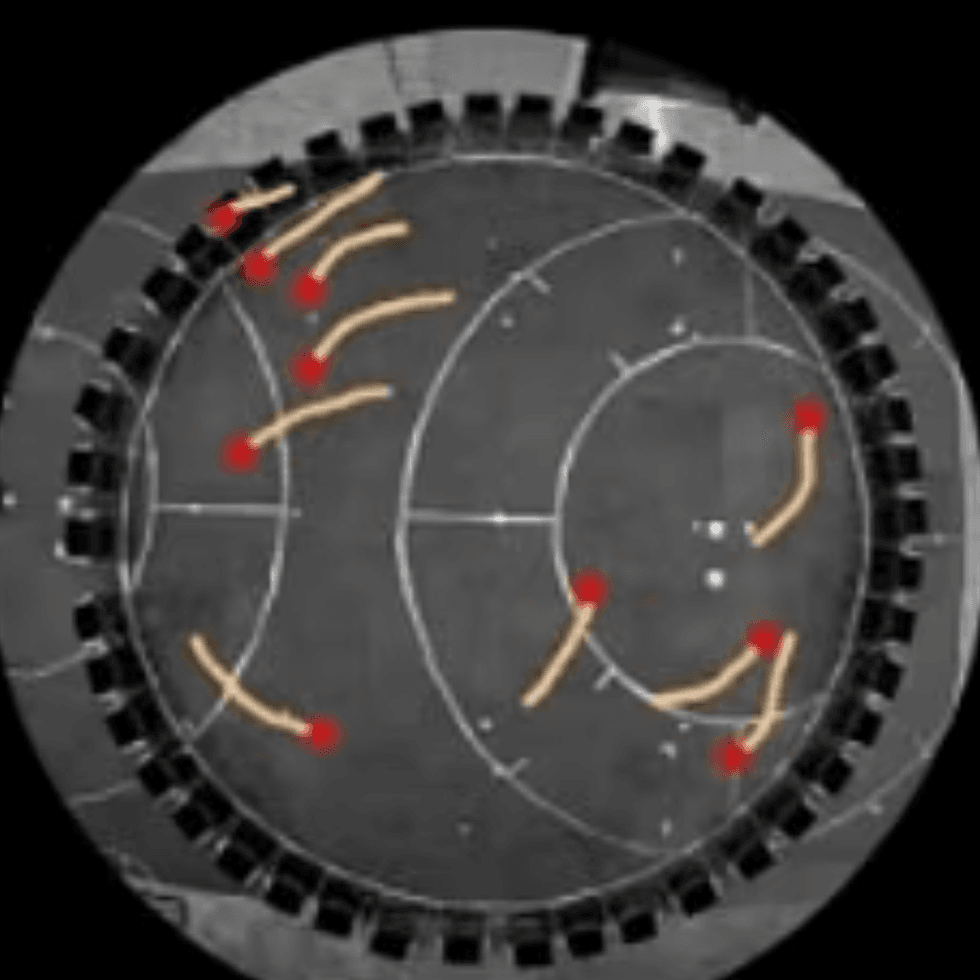
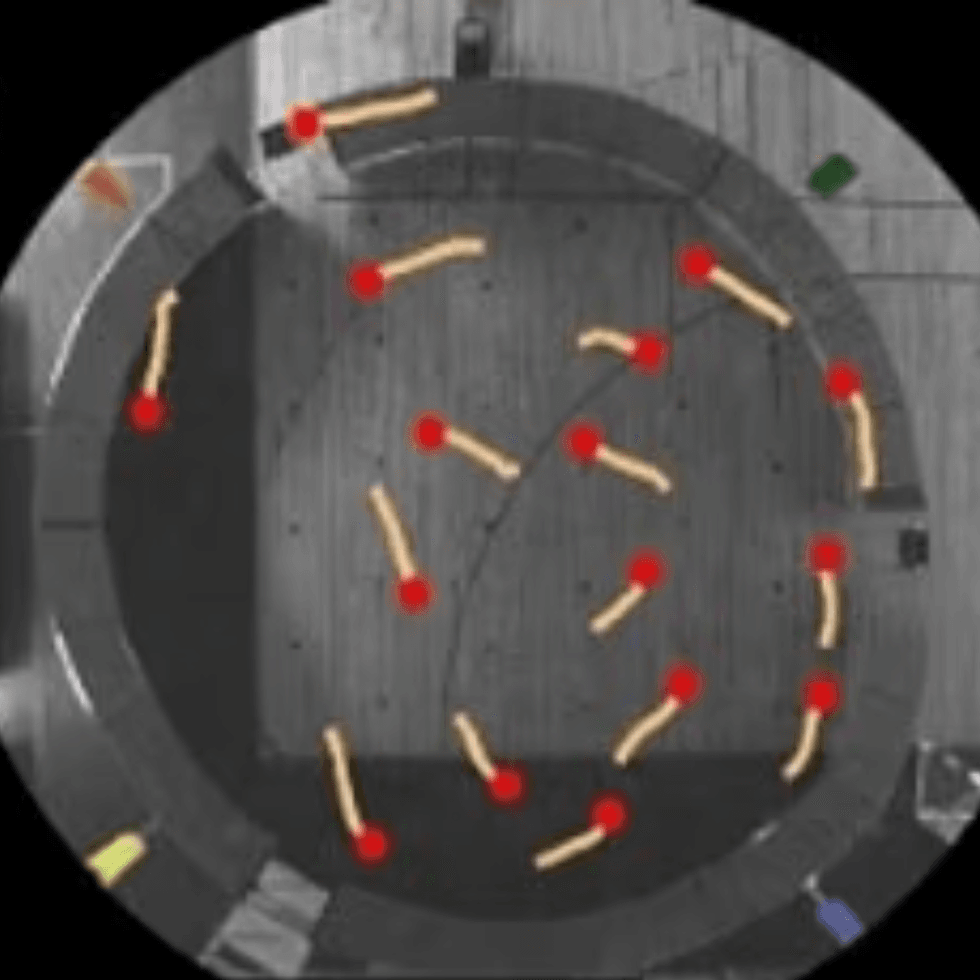
Professor Claudio Feliciani, from the University of Tokyo's Department of Aeronautics and Astronautics, said: "When analysing the experiments, my colleagues realised by chance that in 32 out of 33 experimental trials, as people moved and turned they noticeably preferred to turn counterclockwise.
"This was completely unexpected as, at least instinctively, when people walk around randomly, you imagine people turn as their needs suit them with little sign of an overall preference."
He added: "But there was a definite, measurable tendency for people to turn counterclockwise over clockwise."
To investigate further, Japanese and Spanish researchers designed a series of controlled experiments.
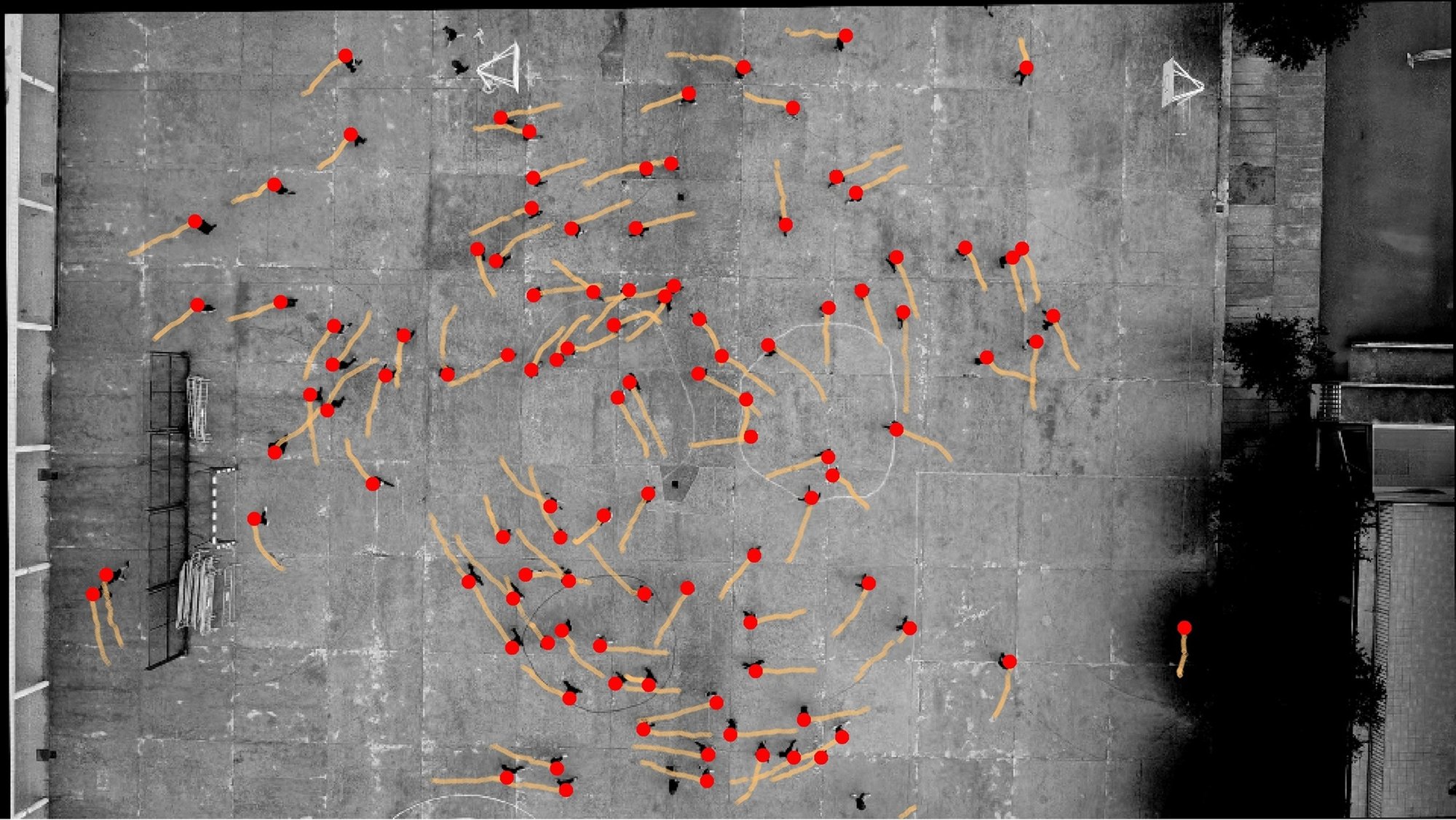
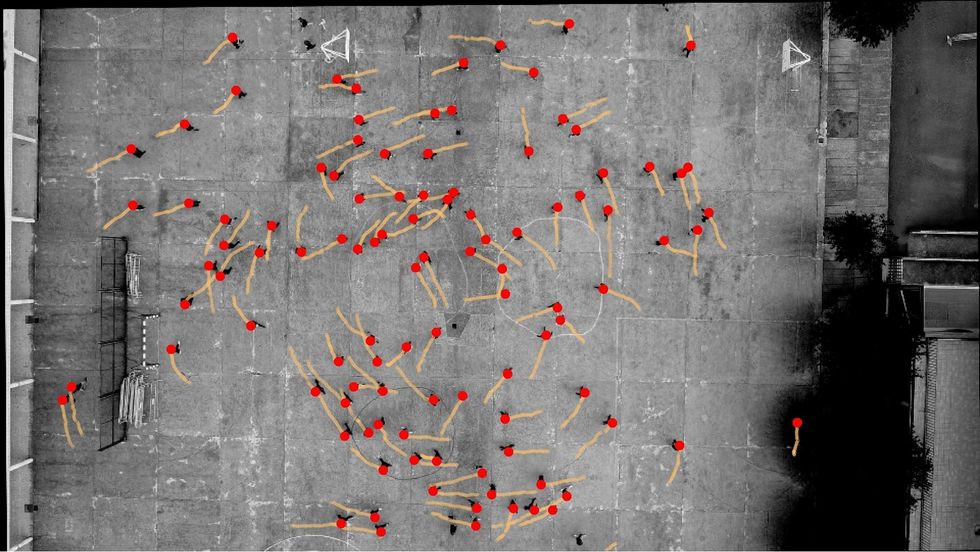
In one Spanish trial, participants entered a circular enclosure measuring 10 metres across and were instructed to walk straight towards the wall before turning around.
They also moved freely within the space for 40 seconds and navigated to specific locations.
LATEST DEVELOPMENTS
- Scientist breakthrough reveals new way to tell whether your dog is left or right-pawed
- European astronaut to join lunar mission for first time ahead of planned Moon landing in two years
- Centuries old priceless porcelain discovered on 300-year-old shipwreck
The team also tracked more than 100 Spanish schoolchildren moving around an open playground, while parallel studies were conducted in Japan, including observations at a nursery school.
Crucially, the findings demonstrated this anticlockwise preference operates at an individual level rather than emerging from group dynamics.
The bias appeared regardless of whether participants were left- or right-handed and showed no variation between sexes.
Children displayed a particularly pronounced tendency towards anticlockwise movement.
The study, published in Nature Communications, found the anticlockwise bias persisted in both Japanese and Spanish participants despite cultural differences in pedestrian behaviour.
Japan is notable for people typically stepping to the left rather than the right when encountering someone walking towards them, yet the turning preference remained consistent.
Dr Feliciani said: "Most phenomena related to locomotion show that animals mostly walk without directional preference. The strong bias found in people hints to some asymmetry at the biomechanical level."
Researchers ruled out eye dominance as a factor after experiments where participants had one eye covered still showed the same bias.
Large-scale forces such as the Coriolis effect and Earth's magnetic field were also deemed unlikely explanations.
Our Standards: The GB News Editorial Charter
→Humans have a strong tendency to turn left and travel anticlockwise, observed across various cultures and age groups.
→Researchers found this bias unexpectedly while studying social distancing during the Covid-19 pandemic.
ملاحظة تحريرية | Editorial Note: نُشر هذا المقال في الأصل بواسطة GB News. خبر (Khabr) هي منصة إعلامية أردنية مرخّصة تعمل بالذكاء الاصطناعي. نضيف قيمة تحريرية من خلال: تحليل ذكي للأخبار، ملخصات تلقائية، رواية صوتية بالذكاء الاصطناعي، ترجمة متعددة اللغات، وتدقيق الحقائق. هدفنا جعل الأخبار أكثر وضوحاً وسهولةً للقارئ العربي.
This article was originally published by GB News. Khabr is a licensed Jordanian AI-powered news platform (Registration #82086). We add editorial value through: AI-powered news analysis, automated summaries, AI audio narration, multi-language translation (Arabic, English, French, Turkish), and AI fact-checking. Our mission is to make news more accessible and understandable for Arabic-speaking audiences worldwide.