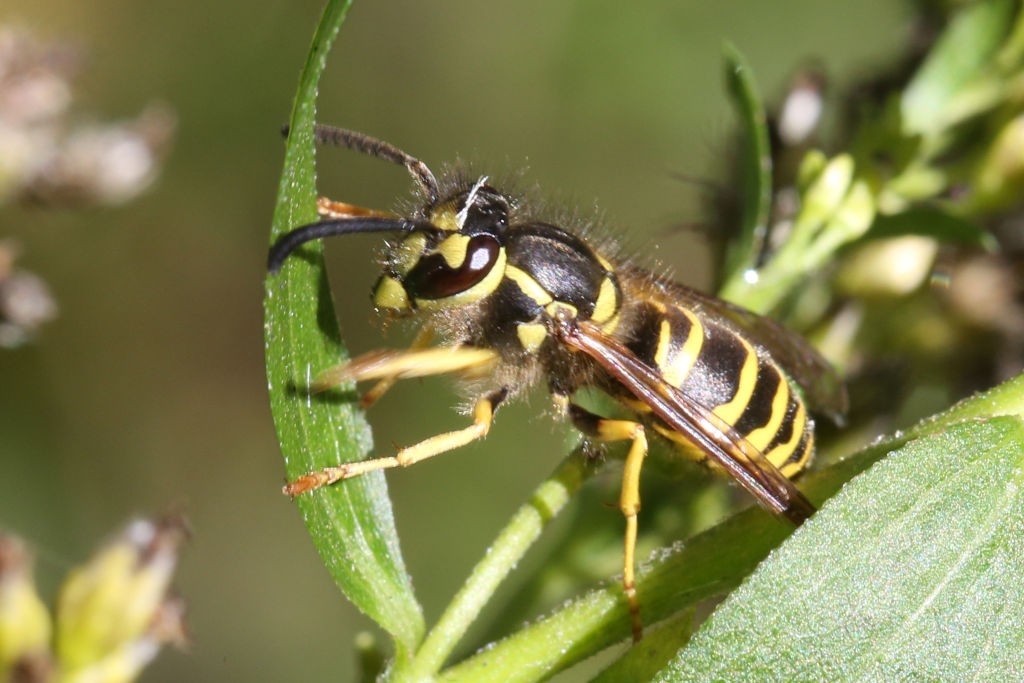
Scientist reveals reason behind sudden disappearance of wasps across Britain
•Britain is experiencing a significant wasp shortage this summer, as noted by scientist Professor Seirian Sumner.
•The decline is attributed to a combination of unfavorable weather conditions affecting the wasp life cycle.
•Observations indicate that surviving wasps are smaller than usual, likely due to nutritional deficiencies and thermal stress.
المصدر: GB News | Source: GB NewsBritain is experiencing a notable scarcity of wasps this summer, according to scientists monitoring the annual population.
Professor Seirian Sumner, a behavioural ecologist at University College London, has identified multiple signs pointing towards a nationwide shortage. Her research students have struggled to locate specimens needed for their experiments.
The clearest indication comes from the pest control sector, whose workers respond to nest infestations in homes and gardens across the country.
"They are a real barometer," Prof Sumner told The Conversation. "They say it's a very, very quiet year."
TRENDINGStoriesVideosYour SayMedia coverage provides further evidence of the decline. Last summer, Prof Sumner conducted numerous interviews as complaints about wasps proliferated. This year, she has received virtually no such requests until now.
The absence has made beer gardens more pleasant and outdoor dining less problematic for the public.
Sumner attributes the shortage to what she describes as a "triple whammy" of challenging meteorological conditions.
The season commenced with warm, dry weather in spring, which typically favours queen wasps – known as "foundresses" – as they emerge from their winter dormancy. During this critical phase, each foundress operates independently, constructing her nest, gathering provisions and nurturing her initial offspring.
However, this favourable beginning was disrupted by an abrupt shift to cold and damp conditions. Nearly freezing temperatures arrived during May evenings, potentially proving fatal to queens or destroying fledgling colonies before they could become established.
Subsequently, multiple heatwaves struck the country. Arid soil conditions, withering vegetation and diminishing nectar reserves deprived mature wasps of sustenance, whilst simultaneously limiting both the variety and nutritional value of the insects they capture to feed their developing larvae.
The wasps that have been observed this summer have displayed another peculiar characteristic: their diminished size.
High temperatures accelerate the developmental process of these insects, causing them to reach maturity before attaining their typical dimensions. Inadequate nutrition has further contributed to restricted growth.
LATEST DEVELOPMENTS
- Mysterious three-lobed asteroid appears to have own moon, scientists reveal
- Dead Sea Scroll origins to be decoded using AI for first time
- Melting ice caps unleash dangerous amounts of chemical trapped for centuries
Normally, by early August, workers emerging from established colonies are considerably larger than those produced in spring. This year, observers continue to encounter specimens resembling the smaller spring varieties, which are typically produced when queens work alone with limited resources.
Thermal stress may have compounded these difficulties. Ground surface temperatures surpassed 50C during this summer's heatwaves, whilst wasps possess a critical thermal maximum of approximately 45C – lower than many other social insects.
Beyond this threshold, insects experience desiccation, muscle contractions and eventually incapacitation. The extended extreme temperatures may represent a century-long trend of wasp size reduction occurring in real time.
Whilst fewer wasps may appear beneficial to picnickers, Prof Sumner warns of concerning ecological ramifications. She has observed an explosion of flies in her own home.
"My kitchen is utterly full of flies," she said. "And one of those reasons might be because there are no top predators around, or very few top predators."
Wasps function as voracious and versatile hunters, consuming a remarkable range of prey species including flies, caterpillars, beetles, bugs, ants and numerous other insects. Recent analysis of larval gut contents revealed exceptional dietary diversity.
"You name it wasps will eat it," she said.
This predatory behaviour provides natural pest control. Without wasps, fly populations and crop-damaging insects may proliferate, potentially necessitating increased chemical pesticide application.
"If you take out the apex predator of any ecosystem, whether it's a lion in the Serengeti or a wolf in the Highlands, you're going to see changes in the prey populations," she said.
Sumner has launched a public monitoring initiative called the "Ham or Jam" survey to help track wasp populations throughout the remaining summer weeks.
Individuals who encounter wasps during outdoor meals are encouraged to refrain from swatting the insect. Instead, they should note whether it gravitates towards protein-rich foods such as ham or chicken, or sugary items like jam.
Wasps selecting protein are collecting sustenance for their meat-eating larvae, whilst those choosing sweet options are nourishing themselves directly. Observers can submit their findings through a straightforward online questionnaire.
Sumner further recommends setting aside a small portion of food at the plate's edge for the insects.
"Make a wasp offering," she said. "It could potentially help the wasps, and it definitely helps the scientists."
The survey requests participants to photograph their observations and continue submitting data throughout the season.
Our Standards: The GB News Editorial Charter

→Britain is experiencing a significant wasp shortage this summer, as noted by scientist Professor Seirian Sumner.
→The decline is attributed to a combination of unfavorable weather conditions affecting the wasp life cycle.
ملاحظة تحريرية | Editorial Note: نُشر هذا المقال في الأصل بواسطة GB News. خبر (Khabr) هي منصة إعلامية أردنية مرخّصة تعمل بالذكاء الاصطناعي. نضيف قيمة تحريرية من خلال: تحليل ذكي للأخبار، ملخصات تلقائية، رواية صوتية بالذكاء الاصطناعي، ترجمة متعددة اللغات، وتدقيق الحقائق. هدفنا جعل الأخبار أكثر وضوحاً وسهولةً للقارئ العربي.
This article was originally published by GB News. Khabr is a licensed Jordanian AI-powered news platform (Registration #82086). We add editorial value through: AI-powered news analysis, automated summaries, AI audio narration, multi-language translation (Arabic, English, French, Turkish), and AI fact-checking. Our mission is to make news more accessible and understandable for Arabic-speaking audiences worldwide.