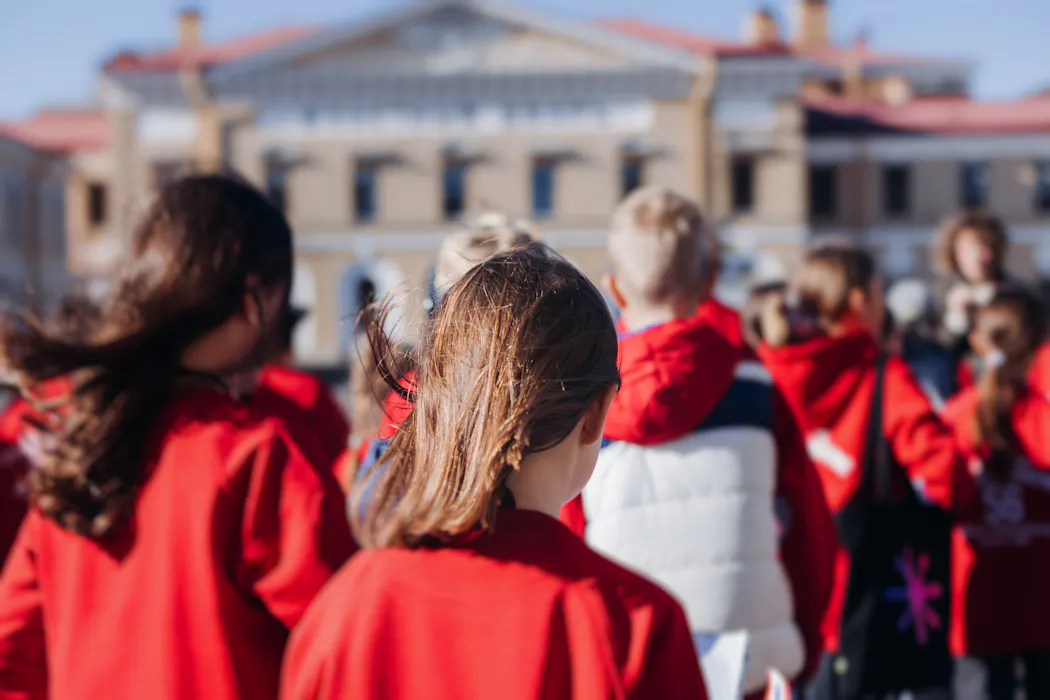

School trips are often remembered as a highlight of childhood education. Whether it’s exploring a castle, visiting a museum or spending the day at a farm or zoo, these experiences offer something the classroom often cannot: learning that is immersive, memorable and often exciting.
For autistic children, school trips can be both highly valuable and, at times, unintentionally inaccessible. One of the most significant challenges is sensory overload. Busy, noisy and unpredictable environments can lead to anxiety or distress for children, particularly when their routines are disrupted.
Alongside this are other barriers. Teachers may feel underprepared to support autistic pupils in a new environment. Logistical pressures such as staffing ratios, risk assessments and time constraints may limit what schools feel able to offer.
My previous research, drawing on the perspectives of primary school teachers, found that they have concerns that behaviour, safety and support needs can create barriers to participation for pupils with special educational needs on school trips.
This implies that some children may not always be able to access these opportunities fully. But school trips can offer opportunities for children with special educational needs and disabilities to engage with learning – including through sensory and non-verbal means that are not always recognised within conventional classroom participation.
Hands-on education
My PhD research is exploring the benefits that school trips can bring for autistic children. Previous research has found that hands-on, visual and experiential learning – teaching methods that go beyond abstract, classroom-based instruction – may help autistic children to thrive in education.
As a form of learning outside the classroom, school trips allow all children to interact directly with places, objects and environments rather than relying on textbooks. Research has consistently shown that these experiences can improve engagement, motivation and understanding. This is particularly the case when learning is made tangible and meaningful.
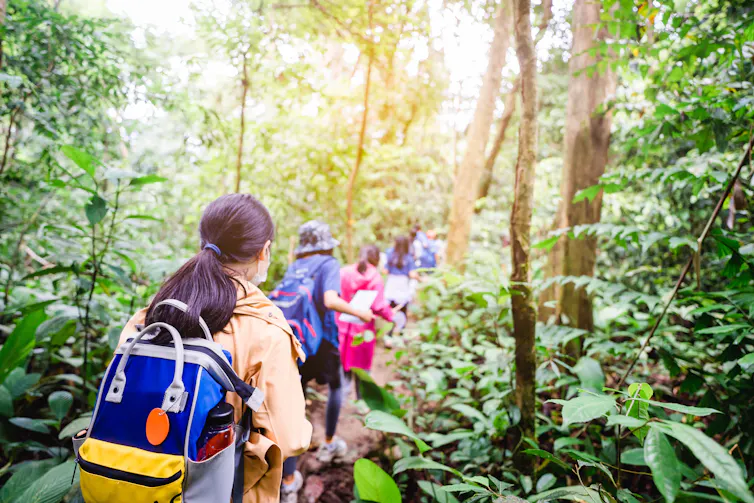
School trips also support more than just academic learning. Outdoor learning and learning through experience has been linked to increased confidence, independence and resilience. It also creates opportunities for social interaction in more naturalistic, less structured environments.
For autistic children, this may feel less pressured than the classroom. It can support the development of life skills such as navigating new spaces, managing change and building relationships. These experiences can contribute to a stronger sense of belonging and personal development.
Yet despite these benefits, not all autistic children are able to access or fully participate in school trips. Inclusion is not only shaped by practical barriers but also by assumptions about what autistic children can or cannot do. Ultimately, creating inclusive school trips requires a shift in how participation is understood.
In many classroom settings, participation is often judged by how much children talk, answer questions, put their hand up or join in group activities. Verbal responses, group interaction and visible engagement are often seen as signs of learning.
Personal ways of learning
However, research suggests that learning in environments such as museums and heritage sites is often personal and not always immediately obvious. Children may be observing, reflecting or processing what they see, rather than speaking or actively joining in. This means that school trips can have a meaningful and lasting impact, even if a child’s learning is not immediately visible to adults.
My ongoing doctoral research has found that for autistic children in particular, learning may take place through observing, touching, or simply being present within a space.
These forms of engagement are often overlooked or undervalued, meaning participation can be mistaken for absence. Recognising these alternative forms of engagement challenges narrow definitions of learning. It highlights the need for more inclusive ways of understanding educational participation.
The question, then, is not whether autistic children can cope with school trips, but how these experiences can be designed to support them.
Inclusive school trips are entirely achievable, and often benefit all learners. Small adjustments can make a significant difference. Providing visual schedules or social stories, such as picture-based timelines or simple personalised stories that explain what will happen and what to expect, can help children prepare for new experiences.
Pre-visits, where children are given the opportunity to visit the site in advance of the trip, or showing photographs or videos of the location and activities they can expect during the trip can reduce children’s anxiety by increasing their familiarity.
During trips, access to quiet spaces, flexible structures and sensory breaks can support emotional regulation. Clear communication and predictable routines can help create a sense of stability. Collaboration is also key. Working closely with parents, carers and support staff ensures that children’s individual needs are understood and supported.
With the right adjustments, school trips can provide rich, meaningful and enjoyable learning experiences for autistic children. Ensuring this happens is not only good practice, but a matter of educational equity.

Jessica Wythe does not work for, consult, own shares in or receive funding from any company or organisation that would benefit from this article, and has disclosed no relevant affiliations beyond their academic appointment.