Saudi Crude Tankers Divert Course Amid Escalating Houthi Conflict in US-Iran Tensions
•Several Saudi crude oil tankers have changed their routes due to increased Houthi attacks in Yemen.
•The Houthi offensive threatens global oil supply chains and could lead to price surges.
•The US is increasing its military presence in the region to support Saudi Arabia and ensure maritime security.
المصدر: خبر - ترند | Source: خبر - ترندIntroduction
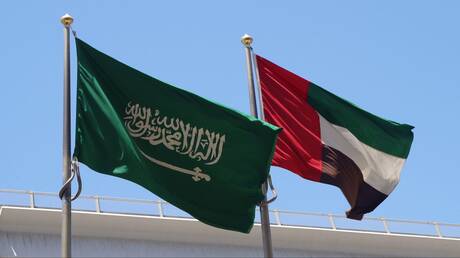
In a significant turn of events, several tankers transporting Saudi crude oil have altered their courses amidst the increasing hostilities from Houthi forces in Yemen. This uptick in aggression not only threatens the stability of oil supply chains but also adds fuel to the already heightened tensions between the United States and Iran.
The Houthi Offensive
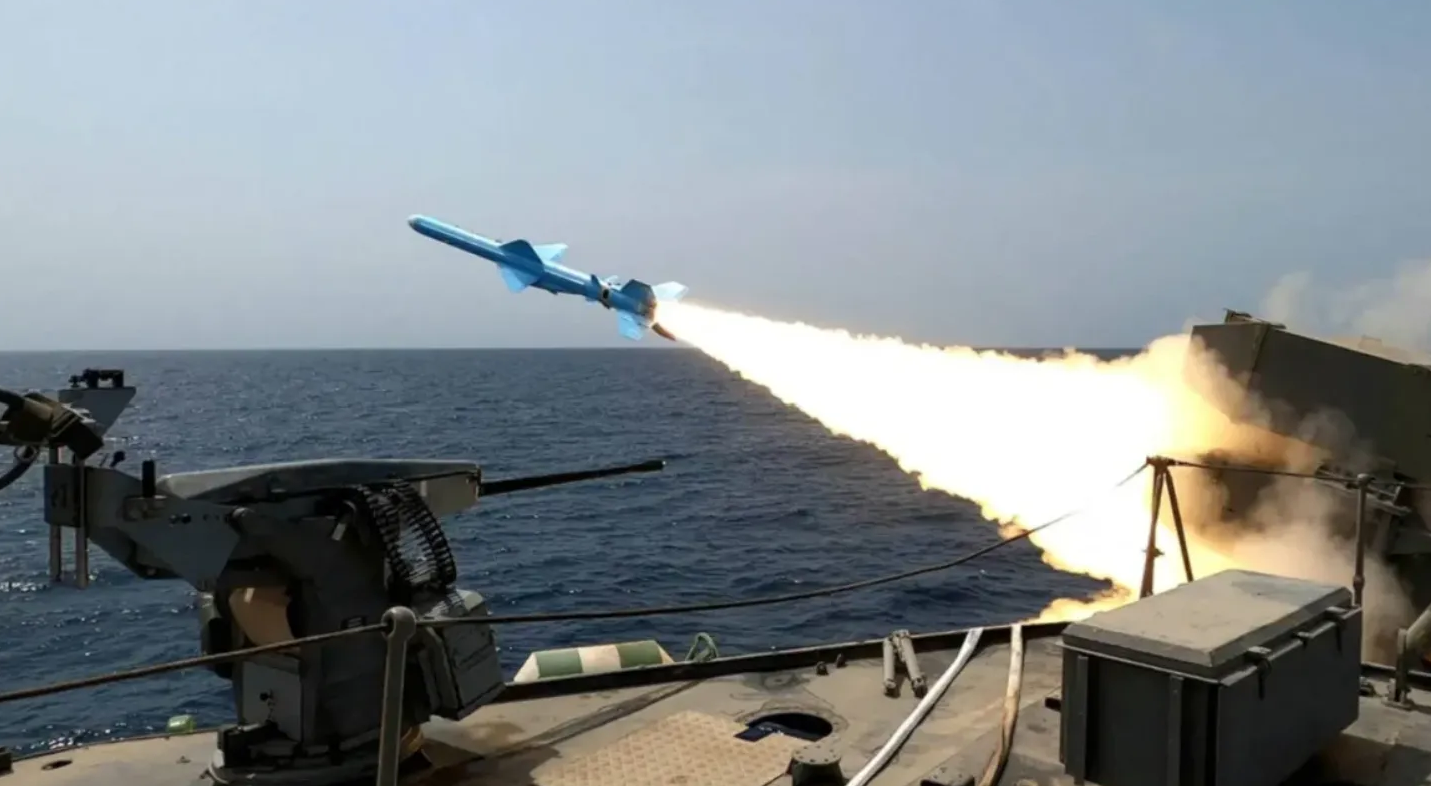
In recent weeks, the Houthis, backed by Iran, have intensified their military operations, launching drone strikes and missile attacks targeting maritime routes crucial for the transportation of oil. As these rebel forces establish a new front in the ongoing conflict, their actions have prompted immediate responses from both Saudi Arabia and the United States, who are keen to protect vital energy supplies.
Impact on Oil Markets
The diversion of tankers has significant implications for global oil markets. Saudi Arabia, one of the world’s leading oil exporters, has seen its crude production come under threat as the Houthis aim to disrupt the flow of oil. Analysts warn that sustained attacks could lead to price surges in oil markets, affecting economies worldwide that depend on stable oil prices.
US Response to the Crisis
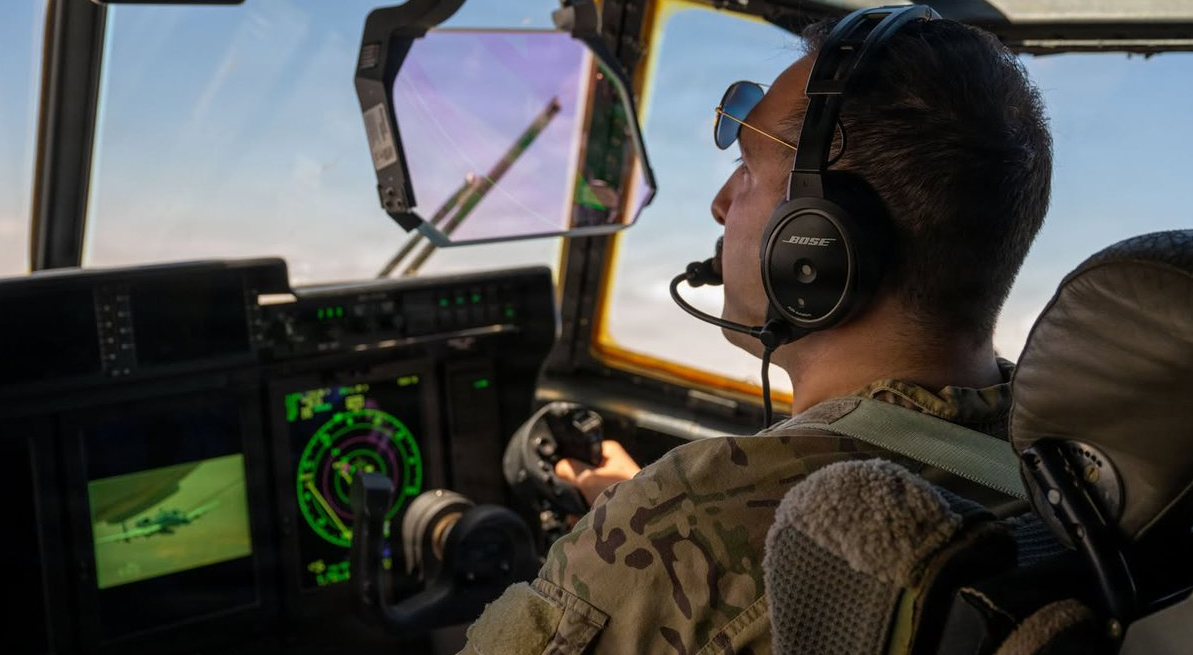
In light of the escalating situation, the United States has ramped up its military presence in the region, aiming to provide support to its ally, Saudi Arabia. This move is part of a broader strategy to deter Iranian influence and ensure the security of shipping lanes that are crucial for oil transportation. US officials have emphasized the need to safeguard maritime freedom against threats from Houthi forces.
Geopolitical Implications
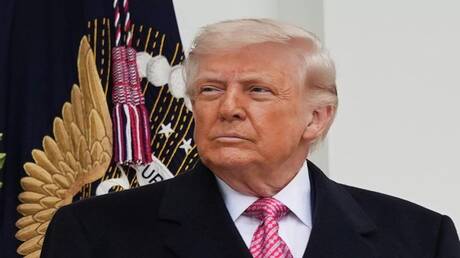
The ongoing conflict between the Houthis and Saudi forces is just one aspect of the larger US-Iran tensions in the Middle East. Iran’s support for the Houthis has been a source of friction with the US, which has accused Tehran of destabilizing the region through its proxy militias. The situation presents a complex challenge for US foreign policy, as it seeks to balance regional stability while countering Iranian influence.
Future Prospects
As the situation continues to evolve, industry experts are closely monitoring maritime routes and oil supply chains. The potential for further escalation in Houthi attacks could lead to more frequent diversions of oil tankers, exacerbating supply shortages and contributing to rising global oil prices. Furthermore, diplomatic efforts may be critical in de-escalating tensions and finding a resolution to the ongoing conflict.
Conclusion
The diversion of Saudi crude tankers underlines the fragile state of security in the Middle East, with the Houthi forces opening a new front in a conflict that resonates throughout the region and the world. As the US and its allies navigate this complex landscape, the implications for oil markets, global economies, and geopolitical stability remain profound.
→Several Saudi crude oil tankers have changed their routes due to increased Houthi attacks in Yemen.
→The Houthi offensive threatens global oil supply chains and could lead to price surges.
ملاحظة تحريرية | Editorial Note: نُشر هذا المقال في الأصل بواسطة خبر - ترند. خبر (Khabr) هي منصة إعلامية أردنية مرخّصة تعمل بالذكاء الاصطناعي. نضيف قيمة تحريرية من خلال: تحليل ذكي للأخبار، ملخصات تلقائية، رواية صوتية بالذكاء الاصطناعي، ترجمة متعددة اللغات، وتدقيق الحقائق. هدفنا جعل الأخبار أكثر وضوحاً وسهولةً للقارئ العربي.
This article was originally published by خبر - ترند. Khabr is a licensed Jordanian AI-powered news platform (Registration #82086). We add editorial value through: AI-powered news analysis, automated summaries, AI audio narration, multi-language translation (Arabic, English, French, Turkish), and AI fact-checking. Our mission is to make news more accessible and understandable for Arabic-speaking audiences worldwide.